
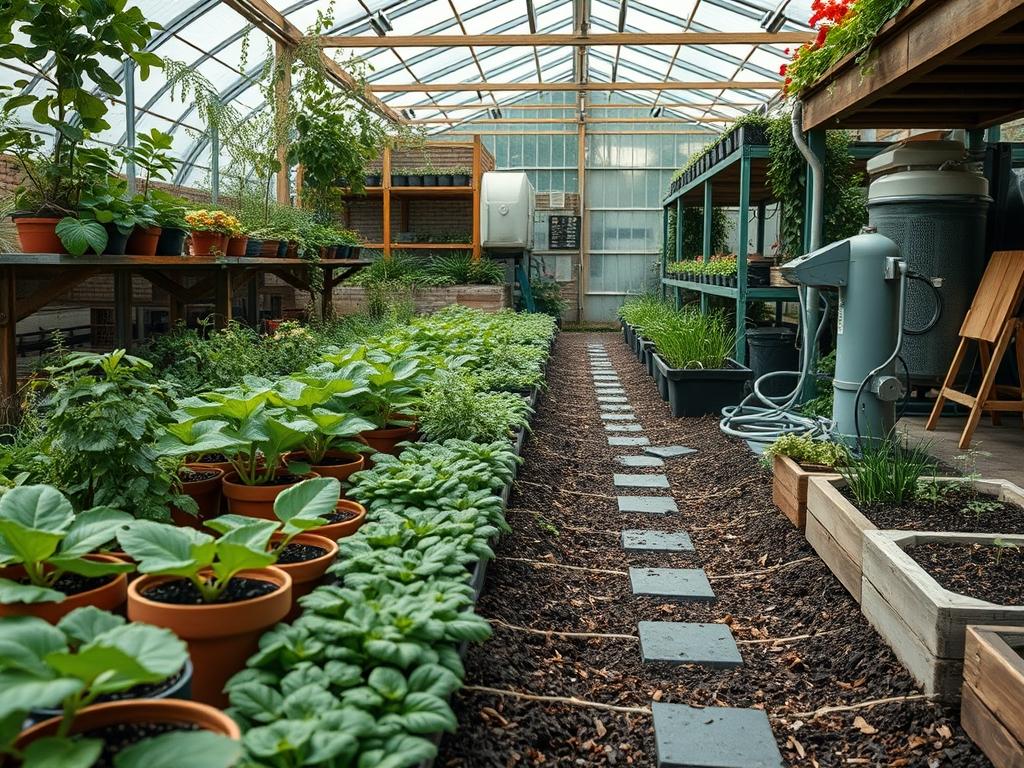
The unexpected arrival of a hard freeze can transform a pristine landscape into a graveyard of blackened foliage within hours. For the modern landscape architect, the challenge lies not only in creating a beautiful environment but in ensuring its longevity against fluctuating climate patterns. High-end residential and commercial projects often feature exotic or sensitive specimens that represent a significant financial investment. Protecting this investment requires a shift from reactive measures, such as plastic tarps and burlap sacks, toward a sophisticated approach centered on Automated Frost Protection. By integrating smart technology into the initial design phase, we can preserve curb appeal and ensure outdoor functionality even when temperatures plummet. This transition from manual labor to automated systems allows for precision care, ensuring that heat is applied only where and when it is needed, thereby maintaining the structural integrity of the botanical design.
Landscape Design Principles
Successful landscape architecture relies on a delicate balance of aesthetics and functionality. When integrating Automated Frost Protection, the designer must consider how these systems interact with core principles like symmetry and focal points. A digital thermometer or a networked ambient light sensor should be tucked away to avoid disrupting the visual flow, yet placed accurately enough to capture meaningful data. Symmetry is often used to create a sense of order in formal gardens. If one side of a symmetrical planting is damaged by frost while the other survives, the entire design is compromised. Automation ensures uniformity in protection, maintaining that essential balance.
Focal points, such as a specimen Japanese Maple or a rare Camellia, often require individualized heating solutions. These are the stars of the landscape, and their health is non-negotiable. Elevation layers also play a critical role in frost management. Because cold air is denser than warm air, it naturally flows downhill and pools in low-lying areas, creating frost pockets. Landscape architects must use topographical data to plan irrigation and heating zones accordingly. By utilizing retaining walls and tiered raised beds, we can physically direct cold air away from sensitive zones. Walkways and hardscaping elements also serve as thermal masses. Materials like dark basalt or natural slate absorb solar energy during the day and radiate it back at night, a process that can be augmented by electric heating cables embedded beneath the stone to prevent ice accumulation and provide a localized heat source for nearby roots.
Plant and Material Selection
The following table outlines several plant types and their requirements within a managed, automated landscape. While technology provides a safety net, choosing the right biological foundation remains paramount.
| Plant Type | Sun Exposure | Soil Needs | Water Demand | Growth Speed | Maintenance Level |
| :— | :— | :— | :— | :— | :— |
| Japanese Maple | Partial Shade | Well-Drained, Acidic | Moderate | Medium | High |
| Boxwood | Full/Partial | Loamy, Well-Drained | Medium | Slow | Moderate |
| Lavender | Full Sun | Sandy, Gritty | Low | Fast | Low |
| Sword Fern | Shade | Moist, Organic | High | Fast | Moderate |
| Agave | Full Sun | Rocky, Dry | Low | Slow | Low |
| Gardenia | Full/Partial | Rich, Acidic | Moderate | Medium | High |
Implementation Strategy
Implementing Automated Frost Protection begins with a comprehensive site analysis focused on microclimates. The first step involves grading the land to ensure that surface water and cold air have a clear path of egress. We aim for a standard 2 percent slope away from the primary planting beds to prevent the saturation that often leads to root rot during cold snaps. Once the grading is established, we map the electrical and communication infrastructure. A system of weather-resistant sensors is deployed throughout the garden, specifically at the 12-inch depth for root monitoring and at the 48-inch height for ambient air tracking.
Layout planning must account for the reach of infrared heaters and the placement of heat tape. In modern backyard designs, we often use 12-gauge low-voltage wiring to power these devices, ensuring safety in damp environments. Edging is then installed to define the boundaries between turf and garden beds, providing a physical anchor for polyethylene tubing if a heated irrigation system is utilized. Drainage is another critical component. We install French drains filled with 1-inch clean gravel to ensure that any melted frost or snow is quickly removed from the root zone. Finally, a 3-inch layer of hardwood mulch is applied over the sensors. This mulch acts as a natural insulator, while the sensors beneath provide the real-time data necessary to trigger automated heating when soil temperatures drop below the 35-degree Fahrenheit threshold.
Common Landscaping Failures
The most common failure in frost protection is the lack of adequate drainage. When soil remains saturated during a freeze, the water between soil particles expands into ice crystals, a process known as frost heaving. This can literally push young plants out of the ground, exposing their delicate root systems to the arctic air. Another frequent mistake is root overcrowding. When plants are spaced too closely, they compete for limited subterranean warmth and nutrients, making the entire group more susceptible to stress. Landscape architects must adhere to the mature spread recommendations for every species, even if the garden looks a bit sparse during the first season.
Improper spacing of hardscaping elements can also create wind tunnels that accelerate the cooling of the soil. Soil compaction is equally detrimental. In areas with high foot traffic, the soil becomes dense and loses its ability to trap insulating air pockets. This significantly reduces the effectiveness of any Automated Frost Protection system as the heat cannot penetrate the compacted earth. Furthermore, irrigation inefficiencies often lead to “ice glazing.” If a smart irrigation system is not properly synced with temperature sensors, it might activate during a freeze, coating the plants in a heavy layer of ice that can snap branches and suffocate the foliage.
Seasonal Maintenance
Seasonal management is the key to ensuring that automated systems remain reliable for years. In the spring, the focus is on recovery and assessment. We inspect all wiring harnesses for damage from burrowing animals and test the solenoid valves in the irrigation system. This is also the time to apply a fresh layer of organic compost to replenish nutrients lost during the winter. As we transition into summer, the emphasis shifts to moisture retention and heat stress management. Sensors that were used for frost protection are recalibrated to monitor for drought conditions, triggering drip irrigation when soil moisture falls below a specific percentage.
Autumn is the most critical period for preparing the Automated Frost Protection infrastructure. We clean the lenses on all infrared sensors and check the continuity of heating cables. It is essential to prune any dead or diseased wood before the first frost to prevent fungal infections from taking hold in the damp winter months. Finally, winter maintenance involves active monitoring. While the system is automated, a professional should still perform a monthly check of the control panel and individual nodes. We also ensure that retaining walls are clear of debris so they can continue to function as thermal buffers. By staying ahead of the seasons, we ensure that the landscape remains a vibrant, living environment regardless of the weather.
Professional Landscaping FAQ
How do smart sensors improve frost protection?
Smart sensors provide real-time data on soil and air temperature. Instead of relying on general weather forecasts, these sensors trigger heating elements only when the specific microclimate of your garden enters the danger zone, saving energy and ensuring precision.
Can I retrofit an existing garden with these systems?
Yes, most gardens can be retrofitted with wireless soil sensors and low-voltage heating cables. While it may require some trenching for power lines, the disruption is minimal compared to the cost of replacing dead mature trees and shrubs.
Where is the best location for a garden heater?
Heaters should be placed near focal points or sensitive species. Infrared heaters are most effective when mounted on pergolas or retaining walls at a height of 8 to 10 feet, pointing downward toward the foliage.
Does mulch interfere with automated sensors?
When placed correctly, mulch actually helps. A 3-inch mulch layer stabilizes soil temperature. Sensors should be placed just beneath the mulch, in the top layer of actual soil, to provide the most accurate reading of the root environment.
Are these automated systems expensive to operate?
Operation costs are surprisingly low because the systems only activate during specific temperature windows. By using smart controllers, you ensure the heat is never left on unnecessarily, making it a cost-effective alternative to replacing expensive tropical or semi-hardy plants.