
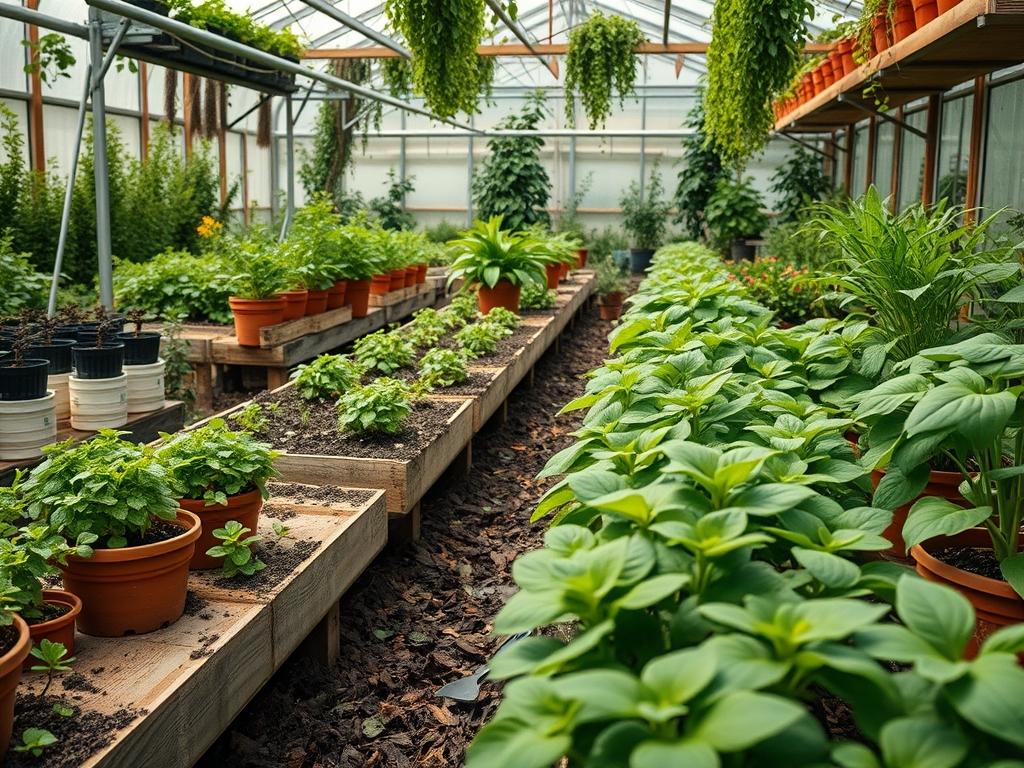
Integrating a sophisticated structure into a modern landscape requires more than just placing a glass box in the backyard. To master your smart greenhouse climate, you must view the structure as the heart of a wider ecological system where outdoor functionality meets precision engineering. A controlled environment allows a gardener to bypass the limitations of local hardiness zones, yet the success of this microclimate depends heavily on how the surrounding terrain is managed. When we design these spaces, we consider the smart greenhouse not just as a tool, but as a focal point that enhances curb appeal and increases the property value. Achieving a perfect balance involves managing solar gain, wind exposure, and site drainage before the first sensor is even installed.
To truly master the smart greenhouse climate, one must first address automated ventilation through motorized roof vents that respond to real time temperature fluctuations. Second, the integration of evaporative cooling systems, often called pad and fan systems, provides essential humidity and temperature drops during peak summer months. Third, programmable shade cloths installed on external tracks prevent heat gain before it enters the glass. Fourth, the use of thermal mass, such as Dark Slate or Water Barrels, helps stabilize nighttime temperatures. Fifth, high pressure misting systems should be synchronized with moisture sensors to maintain vapor pressure deficit levels. Sixth, integrated LED lighting with PAR sensors ensures plants receive consistent photons regardless of cloud cover. Seventh, soil moisture probes at varying depths prevent overwatering and root rot. Eighth, automated CO2 enrichment can be utilized to maximize photosynthesis during closed vent periods. Ninth, circulating fans must be positioned to avoid dead air pockets that harbor pathogens. Tenth, a centralized mobile application allows for remote monitoring and adjustments, ensuring the ecosystem thrives even when the homeowner is away.
Landscape Design Principles
In professional landscape architecture, we prioritize the relationship between the greenhouse and the main residence through the lens of symmetry and axial alignment. Placing the greenhouse at the terminus of a primary garden path creates a powerful focal point. We often use the concept of elevation layers to nestle the structure into the grade, using Retaining Walls to manage slopes and provide a level base. This prevents the greenhouse from looking like an afterthought. Walkways should be constructed from porous materials like Decomposed Granite or Permeable Pavers to ensure that water runoff from the greenhouse roof does not pool around the foundation. Visual balance is achieved by flanking the entrance with structured plantings that mirror the geometry of the glass, while softer, tiered perennials transition the space into the rest of the yard. Irrigation planning must be holistic; the system serving the greenhouse should be on a dedicated zone, separate from the lawn or ornamental beds, to account for the vastly different water requirements of a high production environment.
Plant and Material Selection
| Plant Type | Sun Exposure | Soil Needs | Water Demand | Growth Speed | Maintenance Level |
| :— | :— | :— | :— | :— | :— |
| English Lavender | Full Sun | Well Drained | Low | Moderate | Low |
| Japanese Maple | Partial Shade | Loamy/Acidic | Moderate | Slow | Medium |
| Boxwood Shrub | Full to Part Sun | Rich/Drained | Moderate | Slow | High (Pruning) |
| Coneflower | Full Sun | Poor to Average | Low | Fast | Low |
| Fountain Grass | Full Sun | Adaptable | Low | Fast | Low |
| Hostas | Full Shade | Moist/Organic | High | Moderate | Low |
Implementation Strategy
The transition from a design on paper to a physical garden layout requires meticulous planning of the site’s physical state. Begin with professional grading to ensure the land slopes away from the greenhouse structure at a minimum of 2 percent. This protects the foundation and the sensitive electrical components of the smart system from water ingress. Once the grade is established, define the footprint using Steel Edging to create clean transitions between turf, mulch, and hardscape. For the areas immediately surrounding the greenhouse, apply a 3 inch layer of Cedar Mulch or Crushed Stone to suppress weeds and maintain soil moisture. Drainage is the most critical factor; consider installing a French Drain or a perforated PVC Pipe encased in gravel to divert heavy rainfall. Hardscaping, such as a flagstone sitting area adjacent to the greenhouse, provides a functional space for potting plants and enjoying the view. Always ensure that underground utilities for water and electricity are trenched at least 18 inches deep to avoid future damage during routine gardening or aerating.
Common Landscaping Failures
One of the most frequent mistakes in greenhouse placement is ignoring future root growth. Planting large canopy trees too close to the structure can lead to root encroachment that cracks the foundation or interferes with underground irrigation lines. Furthermore, improper spacing of peripheral plants often leads to poor airflow around the greenhouse exterior, which can increase the ambient humidity to levels that the internal fans cannot manage effectively. Soil compaction is another silent killer. During construction, heavy machinery often packs the earth so tightly that water cannot penetrate, leading to localized flooding. We also see many homeowners fail to account for the reflection of sunlight off the glass. This concentrated light can scorch nearby sensitive plants if they are not selected for high heat tolerance. Lastly, inefficient irrigation layouts that lack pressure regulators often result in inconsistent water delivery, causing some plants to drown while others remain bone dry.
Seasonal Maintenance
Spring is the season for system calibration and soil preparation. Technicians should check all automated vent motors and clean the glass surfaces to ensure maximum light transmission. Test the irrigation lines for leaks after the winter thaw and apply a fresh layer of Compost to the surrounding garden beds. As summer approaches, the focus shifts to heat management. Ensure that the evaporative cooling pads are clean and that the shade cloths are functioning correctly. Monitoring the mulch depth is vital now to prevent the soil from baking.
When autumn arrives, the priority is to clear debris. Falling leaves can clog the gutters of the greenhouse and the external drainage grates. This is also the time to plant spring flowering bulbs and prune any deciduous shrubs that might interfere with the greenhouse’s winter sun exposure. During winter, the landscape management becomes more passive but no less important. Ensure that snow is cleared from the base of the greenhouse to prevent moisture buildup against the frame. Check the internal heating systems and backup power supplies to protect the climate sensitive plants inside during unexpected freezes.
Professional Landscaping FAQ
How do I prevent water from pooling around my greenhouse?
Proper grading is essential. Ensure the land slopes away from the structure and install a French Drain or a gravel filled trench to redirect runoff into a designated dry well or lower part of the property.
What is the best ground cover for high traffic garden paths?
For durability and permeability, use Crushed Basalt or Pea Gravel over a stabilized base. These materials allow water to reach the soil while providing a firm, level surface for walking and equipment transport.
How close can I plant trees to my greenhouse?
Maintain a distance of at least 15 feet for medium sized trees. This prevents root damage to the foundation and ensures that falling branches or excessive shade do not compromise the integrity or efficiency of the structure.
Is mulch necessary for greenhouse perimeter gardens?
Yes, a 3 inch layer of organic mulch regulates soil temperature and suppresses weeds. This creates a stable thermal buffer around the base of the greenhouse, which assists the internal smart climate control system.
Can I use the greenhouse runoff for irrigation?
Absolutely. Integrating a rain barrel or a more complex cistern system into your gutter layout allows you to collect soft water. This can be filtered and pumped back into the greenhouse’s automated misting system.