
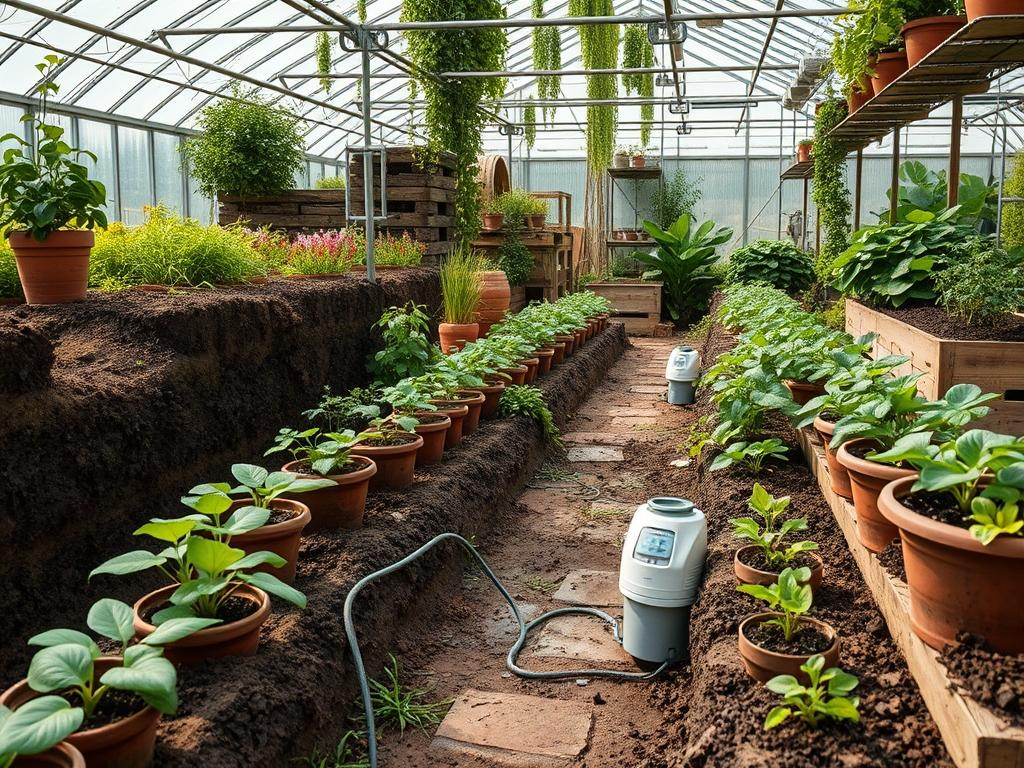
Precision landscape architecture involves a delicate balance between artistic vision and environmental science. While structural elements like retaining walls and paver walkways provide the framework of a property, the long term success of any site depends entirely on the vitality of the living components. Curating a high end outdoor space requires more than choosing aesthetically pleasing flora; it necessitates a deep understanding of the chemical interactions occurring beneath the surface. Historically, homeowners and professionals relied on annual lab tests or, more commonly, visual cues of plant distress to adjust their nutrient programs. By the time a leaf yellows or a stem weakens, however, the plant has already suffered significant stress. This is where the integration of Smart Soil Nutrient Sensors revolutionizes the industry. These devices provide a real-time window into the rhizosphere, allowing for a proactive rather than reactive management style that ensures maximum curb appeal and environmental stewardship.
In a climate where weather patterns are increasingly unpredictable, the ability to monitor nitrogen, phosphorus, and potassium levels in real time is invaluable. Excessive rainfall can leach nutrients out of the root zone, while drought conditions can lead to toxic salt accumulation from over fertilization. For a landscape architect, these sensors represent the transition from guesswork to precision. They enable the creation of specific hydrozones where water and nutrients are delivered only when the data supports the need. This level of control is essential for protecting the investment made in specimen trees and intricate perennial borders, ensuring that the outdoor environment remains functional and vibrant throughout the growing season.
Landscape Design Principles
Great landscape design is rooted in the thoughtful application of symmetry and visual balance. When designing a primary focal point, such as a large standard-grade specimen tree or a custom water feature, the surrounding elements must support rather than compete with that anchor. Symmetry does not always mean a mirror image; it can be achieved through massing and the strategic use of texture. We often use the concept of elevation layers to create depth. This involves a transition from low-growing groundcovers to mid-level shrubs, finally reaching the overhead canopy. This layering technique mimics natural ecosystems and provides a sense of enclosure and privacy.
The implementation of Smart Soil Nutrient Sensors fits perfectly into these design principles by allowing for discrete zone management. Each layer of the landscape has different biological requirements. A lush Kentucky Bluegrass lawn requires higher nitrogen levels than a nearby bed of native ornamental grasses. By installing sensors in distinct zones, we can maintain the visual balance of the property without over-treating the entire site. Furthermore, the placement of walkways and hardscaping should always account for the underlying soil health. Proper irrigation planning must be integrated into the initial site map, ensuring that water flow does not disrupt the nutrient balance or cause erosion near structural footings.
Plant and Material Selection
Selecting the right plant for the right place is the cornerstone of sustainable landscaping. The following table highlights common selections for a professional grade garden and the requirements that must be monitored using modern sensor technology.
| Plant Type | Sun Exposure | Soil Needs | Water Demand | Growth Speed | Maintenance Level |
| :— | :— | :— | :— | :— | :— |
| Buxus microphylla | Full Sun to Part Shade | Well-drained, Neutral pH | Moderate | Slow | High (Pruning) |
| Lavandula angustifolia | Full Sun | Gritty, Alkaline | Low | Moderate | Low |
| Acer palmatum | Dappled Shade | Loamy, Acidic | High | Slow to Med | Moderate |
| Carex pensylvanica | Part to Full Shade | Moist, Organic | Medium | Moderate | Very Low |
| Hydrangea macrophylla | Part Shade | Rich, Moisture-retentive | High | Fast | Moderate |
| Echinacea purpurea | Full Sun | Lean to Average | Low | Fast | Low |
Materials also play a critical role in the success of these plants. We recommend using triple-shredded hardwood mulch at a depth of 3 inches to regulate soil temperature and suppress weeds. For structural elements, natural flagstone or architectural pavers should be set on a base of crushed limestone and polymeric sand to ensure porousness and stability.
Implementation Strategy
The successful execution of a landscape plan begins with proper site preparation. First, the area must be graded to ensure a minimum 2 percent slope away from any building foundations to prevent water intrusion. Once the rough grade is established, we focus on soil remediation. If the site has been compacted by heavy machinery, a subsoil aerator or tilling machine must be used to break up the hardpan layer. This is the ideal stage to install Smart Soil Nutrient Sensors and the accompanying low-voltage wiring or wireless nodes.
Next, we establish the hardscape boundaries using steel edging or Belgian block. This creates clean lines that separate lawn areas from planting beds. After the hardscape is set, we focus on drainage. A French drain system or a dry creek bed may be necessary if the site has low spots that collect standing water. When the beds are ready for planting, we incorporate organic compost into the top 6 inches of the soil. Each plant is installed with its root flare slightly above the grade to allow for settling. Finally, we apply a layer of mulch and initiate a deep watering cycle to settle the soil around the roots and activate the sensors for their initial baseline reading.
Common Landscaping Failures
The most frequent failure in residential landscaping is improper drainage. When water is allowed to pool around the base of a plant, it displaces oxygen and leads to root rot. Even the most advanced Smart Soil Nutrient Sensors cannot save a plant that is effectively drowning. Another common mistake is root overcrowding. Designers often place plants too close together to achieve an instant full look, but within three years, these plants compete for the same limited pool of nutrients and light. This leads to stunted growth and increased susceptibility to pests.
Soil compaction is another silent killer of high-end landscapes. In new construction, the heavy equipment used for building the home often leaves the soil as hard as concrete. If the contractor simply spreads a thin layer of topsoil over this compacted base, the plants will fail to thrive. Irrigation inefficiencies also contribute to failure. Over-watering is just as damaging as under-watering; it wastes resources and can cause nutrient lockout. By using a data-driven approach, managers can avoid the trap of “blind fertilizing,” which often leads to salt buildup and the degradation of the soil structure over time.
Seasonal Maintenance
Landscape management is a year-round commitment that changes with the cycles of the sun. In the spring, the focus is on awakening the garden. This involves removing winter debris, redefining bed edges with a half-moon edger, and applying a pre-emergent herbicide. This is also the time to calibrate your Smart Soil Nutrient Sensors to ensure they are providing accurate data for the spring growth spurt. Summer maintenance is primarily about water management and monitoring for pest outbreaks. If the sensors indicate a sudden drop in nutrients during the heat of July, a light application of liquid seaweed or fish emulsion can provide a stress-free boost.
Autumn is the season for restoration. We recommend core aeration for lawns and the application of a high-potassium fertilizer to help plants prepare for dormancy. It is also the best time to plant new trees and shrubs, as the cooler air and warm soil encourage root development without the stress of summer heat. During the winter, the focus shifts to protection. Use burlap wraps for sensitive evergreens and ensure that you use only calcium chloride based ice melts, as standard rock salt can drastically alter the soil pH and damage the sensors.
Professional Landscaping FAQ
How do smart sensors reduce long-term maintenance costs?
By providing precise data, sensors prevent the over-application of fertilizers and water. This reduces product waste and prevents the plant stress associated with improper dosing, ultimately extending the lifespan of expensive specimen plants and reducing replacement costs across the entire property.
Where is the best location to install a nutrient sensor?
Sensors should be placed in representative areas of each hydrozone. For the best results, install them near the root ball of your most sensitive or valuable plants, ensuring the probes are at a depth where the majority of feeding roots reside.
Can these sensors be integrated with existing irrigation systems?
Many modern smart sensors can communicate directly with Wi-Fi enabled irrigation controllers. This allows the system to automatically skip a watering cycle if the soil moisture is sufficient or adjust nutrient delivery if phosphorus or nitrogen levels are low.
Do sensors work effectively in heavy clay soils?
Yes, though calibration is key. Heavy clay can hold onto salts and moisture longer than sandy soil. Sensors help professional landscapers monitor these levels to prevent the “bathtub effect” where water and nutrients sit stagnant around the root system.
How often do the sensors require calibration or battery changes?
Most high-end professional sensors are designed for multi-year use. We recommend a seasonal calibration check every spring. Battery life varies by model, but many utilize long-lasting lithium cells or solar power to provide at least two full growing seasons of data.