
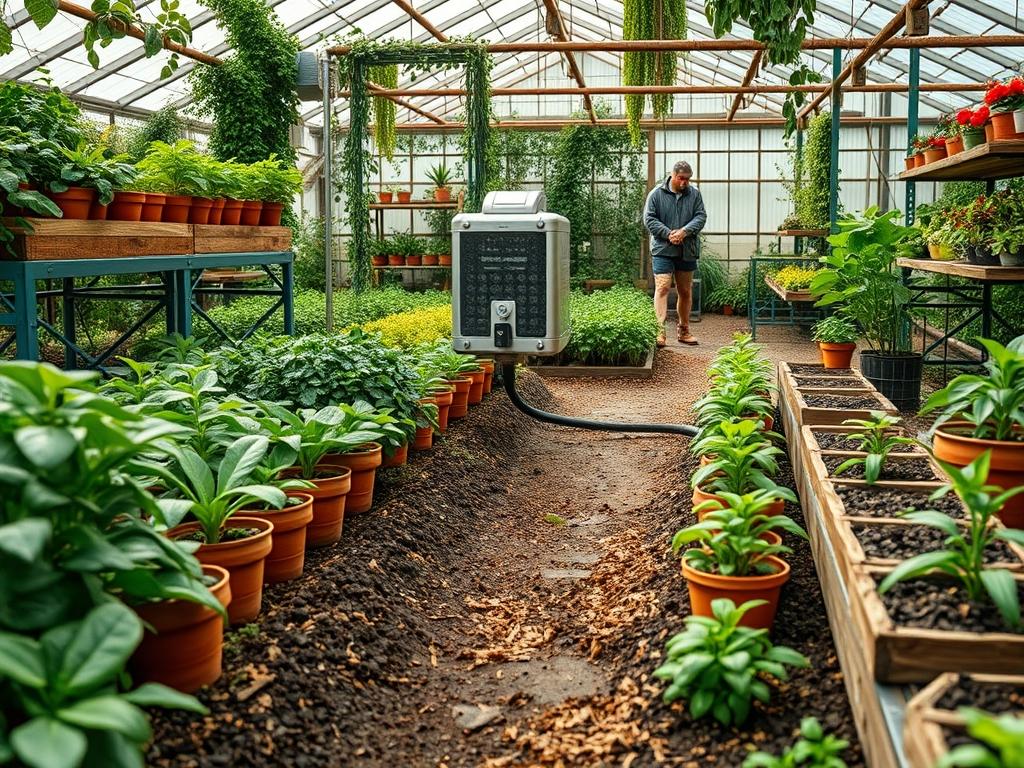
Achieving a professional finish in high end residential or commercial landscaping requires meticulous precision from the very first sprout. Manual seeding often results in erratic clusters and barren patches, which compromise the geometric integrity of a design. Automated seed dispensers offer a revolutionary approach by calibrating the exact distance between each seed, ensuring that the final green space reflects the precision of the initial architectural blueprint. This level of control is vital for curb appeal because uniform plant distribution creates clean lines and a sense of intentionality that random scattering cannot achieve. Whether the goal is a perfectly manicured lawn, a structured vegetable garden, or a wildflower meadow, the use of technology to manage row spacing allows for better resource allocation and healthier root systems. In volatile climates where wind or heavy rainfall can displace seeds, the depth and density control provided by these devices ensures that the landscape remains resilient and aesthetically consistent through the early growth stages. By automating the distribution process, designers can focus on the broader environment, knowing the foundational ground cover will manifest exactly as planned.
Landscape Design Principles
Symmetry serves as the backbone of formal landscape architecture. When designing a space, one must consider focal points that draw the eye toward specific features such as a stone fountain, a custom fire pit, or a sculptural tree. Automated seed dispensers facilitate this by allowing the architect to program specific intervals that align with hardscape edges and walkways. This creates a rhythmic pattern that feels balanced and harmonious to the human eye. Elevation layers also play a critical role in sophisticated site planning. By varying the height of the plants through stratified seeding patterns, a designer can create a sense of depth and movement. For instance, using low-growing creeping thyme near a path and transitioning to taller ornamental grasses in the background requires precise spacing to prevent the taller species from overshadowing the smaller ones.
Irrigation planning must be integrated into the layout from the start. Precisely spaced rows, achieved through automated technology, allow for the installation of efficient drip irrigation lines that target the root zones without wasting water on empty soil. This is particularly important in arid regions where water conservation is a primary design constraint. Visual balance is further enhanced when the density of the foliage is uniform across the entire site. If one section of a lawn is significantly denser than another, it creates a visual weight imbalance that can make the entire property look lopsided. By utilizing automated seed dispensers, the professional ensures that every square foot of the site receives the exact same seed count, leading to a monochromatic and textural consistency that defines high quality landscaping.
Plant and Material Selection
Selecting the right biological components for the site is just as important as the tools used to install them. The following table outlines various plant types that benefit from the precision of automated spacing and their specific environmental requirements.
| Plant Type | Sun Exposure | Soil Needs | Water Demand | Growth Speed | Maintenance Level |
| :— | :— | :— | :— | :— | :— |
| Kentucky Bluegrass | Full Sun | Rich, well-drained | Moderate | Medium | High |
| Lavender | Full Sun | Sandy, alkaline | Low | Slow | Medium |
| Fescue Mix | Partial Shade | Clay or Loam | Moderate | Fast | Low |
| Wildflower Blend | Full Sun | Poor to Average | Low | Fast | Minimal |
| Dwarf Boxwood | Full Sun/Part Shade | Loamy, moist | Moderate | Slow | High |
| Red Clover | Full Sun | Most soil types | Low | Very Fast | Minimal |
Implementation Strategy
The success of any seeding project depends on thorough site preparation and a clear sequence of operations. Detailed grading is the first step, ensuring that the ground slants away from foundations at a minimum of a two percent slope to prevent structural water damage and basement seepage. You must then establish crisp edging using materials like weathered steel or paver stones to define the boundaries between turf, flower beds, and paths. This physical border serves as a guide for the automated seed dispenser, allowing it to track along a fixed line for perfect perimeter alignment.
Before the first seed is dropped, the soil must be prepared. A rototiller should be used to break up the top six inches of earth, followed by the addition of high quality topsoil mixed with organic compost. This creates a nutrient rich bed that encourages rapid germination. The automated seed dispenser is then calibrated for the specific seed size, whether it is the tiny grains of bentgrass or the larger seeds of a zinnia mix. The machine should be set to the depth recommended for the species; typically, this is about two or three times the thickness of the seed itself.
After the seeds are deposited, a light layer of mulch or a fine dusting of peat moss helps retain moisture and protects the seeds from avian predators. Drainage systems, including French drains or catch basins, should be installed prior to seeding to manage heavy runoff that could otherwise wash away the carefully spaced rows. Every element of the layout, from the retaining walls to the irrigation zones, must work in harmony. By using the dispenser, you ensure that the plants are not just scattered but are placed in a manner that allows for mechanical maintenance, such as easier mowing and more efficient weeding.
Common Landscaping Failures
One of the most frequent errors in professional landscaping is improper spacing, which inevitably leads to root overcrowding. When plants compete for the same nutrients, oxygen, and water, they become stunted and more susceptible to fungal diseases and pest infestations. This “crowding out” effect can ruin an expensive planting plan in under a year. Soil compaction is another silent killer of new landscapes. If the earth is too dense from heavy machinery or foot traffic, the tender roots from newly dispensed seeds cannot penetrate the surface. A professional must ensure the soil is aerated before the seeding process begins.
Drainage mistakes often involve miscalculating the slope of the land, leading to “puddling” or standing water that rots seeds before they can even germinate. Furthermore, many contractors fail to account for the mature size of the plant. A seedling that looks perfectly spaced today may become a maintenance nightmare in three years if it does not have the room to reach its full spread. This is where the precision of automated seed dispensers provides the most value; they remove the human error of over-seeding for immediate “fullness,” which often leads to long term failure. Finally, irrigation inefficiencies occur when sprinklers are not aligned with the row geometry. If the water hits the walkways more than the plants, the landscape will suffer from chronic dehydration despite high water bills.
Seasonal Maintenance
Landscape management is a year-round commitment that changes with the local climate. In the spring, the focus shifts to soil aeration and the initial calibration of the seed dispenser for any required overseeding in high traffic areas. This is the optimal time to apply pre-emergent herbicides and check the functionality of irrigation timers and spray heads. Proper spring preparation sets the tone for the entire growing season.
Summer maintenance involves vigilant moisture management and heat stress prevention. As temperatures rise, the precision spacing of the plants allows for better airflow between the stalks, which significantly reduces the risk of powdery mildew and other fungal infections. During the autumn, the landscape professional should clear fallen leaves and debris that could smother the grass. This is also the time to apply a late season nitrogen fertilizer to strengthen the root systems before the dormant winter period.
Winter management is about protection and planning. In colder regions, protecting sensitive areas with burlap wraps and ensuring that drainage paths are clear of ice and snow will prevent spring flooding. It is also a time to clean and calibrate tools like the automated seed dispenser so they are ready for the next cycle. Consistent monitoring throughout the seasons ensures that the architectural vision remains intact and the property value continues to appreciate over time.
Professional Landscaping FAQ
Why is automated row spacing better than hand broadcasting?
Automated spacing ensures uniform nutrient distribution and prevents root competition. Hand broadcasting often leads to “clumping,” where plants struggle for survival, and “bald spots,” which allow weeds to thrive in the gaps.
Can automated dispensers handle different seed sizes?
Yes, most professional grade automated seed dispensers feature adjustable plates or rotors. These components can be swapped or tuned to accommodate everything from microscopic wildflower seeds to larger garden pea or sunflower seeds.
How does precise spacing impact irrigation costs?
Precise spacing allows for a more targeted irrigation layout. When plants are in predictable rows, you can use drip emitters or calibrated nozzles to water only the plants, reducing waste and lowering monthly utility bills.
What is the ideal soil preparation for automated seeding?
The soil should be tilled to a depth of six inches, cleared of large rocks, and leveled with a landscape rake. Incorporating a sandy loam mix ensures proper drainage and easy penetration for the dispenser.
Does row spacing affect the speed of lawn maturity?
Consistent spacing promotes faster “fill-in” because each plant has the ideal amount of space to spread. Overcrowded seeds fight for resources, slowing down the overall establishment of the turf or garden bed.