
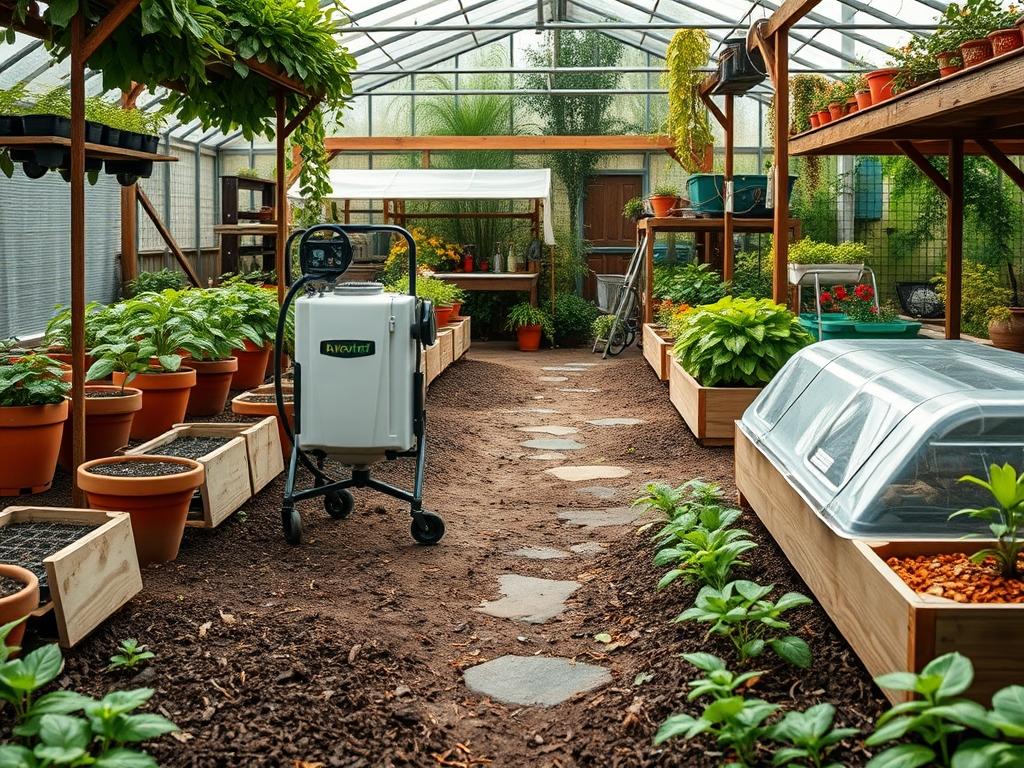
Managing a premium landscape requires a delicate balance between artistic vision and biological necessity. In regions where rainfall is unpredictable, the reliance on human intervention often leads to inconsistencies that manifest as brown patches or stressed foliage. Automated garden spraying systems offer a solution to this variability, bridging the gap between high design and practical upkeep. These systems are not merely luxury add-ons; they are fundamental components of a modern outdoor environment that prioritize curb appeal and plant health. By integrating technology into the soil, homeowners can achieve a level of precision that manual watering simply cannot match. However, the decision to automate involves a complex trade-off between convenience and the nuances of environmental stewardship. A poorly planned system can lead to water waste and soil erosion, while a well executed one ensures that every Azalea and Fescue blade receives exactly what it needs to thrive.
The primary goal of professional landscaping is to create a functional outdoor living space that complements the architecture of the home. This involves considering the local climate, the orientation of the sun, and the specific drainage patterns of the land. When we discuss automated garden spraying, we are talking about a network of PVC pipes, valves, and emitters designed to deliver moisture at the most opportune times, usually during the pre-dawn hours to minimize evaporation. This consistency is the secret behind the lush, emerald lawns and vibrant flower beds seen in high end residential portfolios. It allows the landscape architect to push the boundaries of plant selection, knowing that the hydration needs of the flora will be met regardless of the owner’s schedule.
Landscape Design Principles
Successful landscape design rests on a foundation of several key principles, including symmetry, focal points, and elevation layers. Symmetry provides a sense of order and tranquility, often achieved through the mirrored placement of Boxwood hedges or identical Planters. Focal points, such as a large Japanese Maple or a stone water feature, draw the eye and provide a sense of purpose to the space. When planning these elements, irrigation must be a central consideration. A focal point that appears parched loses its impact immediately. Therefore, the automated garden spraying zones must be mapped to prioritize these high visibility areas.
Elevation layers are equally important. Using retaining walls and tiered garden beds adds depth and visual interest, but it also creates microclimates. The top tier of a garden will naturally dry out faster than the bottom due to gravity induced drainage. A professional design accounts for this by using different types of spray heads or drip lines for each level. High efficiency rotary nozzles might be used for large turf areas to ensure even coverage, while pressure compensating emitters are better suited for elevation changes where water pressure might fluctuate. This layering of technology mimics the natural distribution of water, ensuring that the hostas in the shade and the lavender in the sun both receive appropriate care.
Visual balance is not just about the plants; it includes the walkways and hardscaping that define the garden sectors. Flagstone paths or paver patios provide the structure, and the irrigation system must be designed to avoid overspraying these surfaces. Excess water on hardscaping leads to slip hazards, moss growth, and the unsightly accumulation of mineral deposits. By using precise arc adjustments on the sprinkler heads, architects ensure that water stays on the soil where it belongs, preserving the integrity of the stone and wood materials used in the construction.
Plant and Material Selection
The following table outlines common plant selections and their environmental requirements, which should inform the calibration of any automated garden spraying system.
| Plant Type | Sun Exposure | Soil Needs | Water Demand | Growth Speed | Maintenance |
| :— | :— | :— | :— | :— | :— |
| English Ivy | Shade/Part Sun | Loamy/Well Drained | Moderate | Fast | Moderate |
| Dwarf Boxwood | Full Sun/Part | Rich/Moist | Moderate | Slow | Low |
| Purple Coneflower | Full Sun | Sandy/Loam | Low | Moderate | Very Low |
| Japanese Forest Grass| Shade | Moist/Humus Rich | High | Moderate | Low |
| Blue Star Creeper | Full Sun/Part | Moist/Sandy | High | Fast | Moderate |
| Hydrangea | Part Sun | Rich/Porous | High | Fast | High |
Selecting the right materials extends beyond the plants. For the irrigation system itself, the use of polyethylene tubing for drip zones and Schedule 40 PVC for main lines ensures longevity. Incorporating rain sensors and soil moisture sensors transforms a basic timer into a smart system that responds to real time environmental data. These materials, combined with a thick layer of organic mulch or pine bark, create a sustainable ecosystem that minimizes water loss and suppresses weed growth.
Implementation Strategy
The implementation of a professional landscape begins with site preparation and grading. A transit level is often used to determine the slope of the land. Proper grading ensures that water flows away from the home foundation and toward designated catch basins or swales. Once the grade is established, the layout of the automated garden spraying system is marked using spray paint or flags. Trenching should be done carefully to avoid utility lines, typically at a depth of 8 to 12 inches to protect the pipes from freezing and foot traffic.
Edging is the next critical step. Whether using steel edging, plastic benders, or cobblestone, clear borders prevent grass from encroaching into planting beds. After the irrigation lines are laid and the plants are positioned based on their light requirements, landscape fabric may be applied to designated areas to prevent weeds, though many professionals prefer a heavy application of mulch instead. A depth of 3 inches of mulch is standard for moisture retention. Finally, the hardscaping, such as retaining walls or gravel paths, is installed to provide the finishing touches to the garden’s structure.
Common Landscaping Failures
One of the most frequent failures in residential landscaping is poor drainage. When water is allowed to pool around the base of trees or against the foundation, it leads to root rot and structural damage. This is often a result of ignoring the natural topography during the planning phase. Another common issue is root overcrowding. Planting a White Oak or Norway Spruce too close to a walkway will eventually lead to the root system uplifting the hardscape, necessitating expensive repairs.
In the context of automated garden spraying, improper spacing of sprinkler heads leads to “dry spots” and “hot spots.” This is usually caused by a failure to achieve “head to head” coverage, where the spray from one head should reach the next. Furthermore, soil compaction from heavy machinery during construction can prevent water from penetrating the root zone. If the soil is not properly aerated and amended with compost or peat moss, even the most advanced irrigation system will fail to keep the plants healthy. Over-irrigation is also a significant concern, as it leaches nutrients from the soil and encourages the growth of fungi.
Seasonal Maintenance
A landscape is a living entity that requires different care throughout the year. In the spring, the focus is on reactivation. This involves cleaning spray heads, checking for leaks caused by winter frost, and applying a slow release fertilizer to stimulate growth. You should also prune any dead wood from shrubs and redefine the edges of your garden beds.
During the summer, the automated garden spraying system should be adjusted to account for higher temperatures. Increasing the frequency but maintaining the depth of watering encourages roots to grow deeper into the soil. In the autumn, the goal shifts to preparation. Aerating the lawn and overseeding with Rye or Fescue ensures a green carpet for the following year. Finally, winter maintenance is crucial for the longevity of the irrigation hardware. In colder climates, “blowing out” the lines with compressed air is necessary to prevent water from freezing and bursting the PVC pipes. Shutting off the main water supply and insulating the backflow preventer are essential steps to avoid costly spring repairs.
Professional Landscaping FAQ
How often should I calibrate my automated spraying system?
Technicians should inspect the system at the start of every season. Check for clogged nozzles, misaligned aim, and leaking valves. Monthly checks of the smart controller settings ensure the system adapts to changing rainfall patterns and temperatures.
Will automated spraying increase my monthly water bill?
If configured correctly with rain sensors and drip emitters, an automated system often reduces water bills. It eliminates human error, such as forgetting to turn off a manual sprinkler, and applies water directly to the root zone with minimal waste.
Can I install an automated system in an established garden?
Yes, though it requires careful manual trenching or the use of a vibratory plow to minimize root damage. Drip irrigation is particularly easy to retrofit around existing perennials and shrubs without disturbing the landscape’s visual aesthetic.
What is the best time of day to spray my garden?
The ideal window is between 4:00 AM and 8:00 AM. This reduces evaporation from sun and wind while allowing the foliage to dry before evening. Wet leaves at night can encourage the development of powdery mildew and other fungal diseases.
Do I need a permit for a garden irrigation system?
Many municipalities require a permit for the backflow preventer installation. This device prevents garden chemicals and bacteria from entering the potable water supply. Always check local building codes and hire a licensed professional for the primary water connection.