
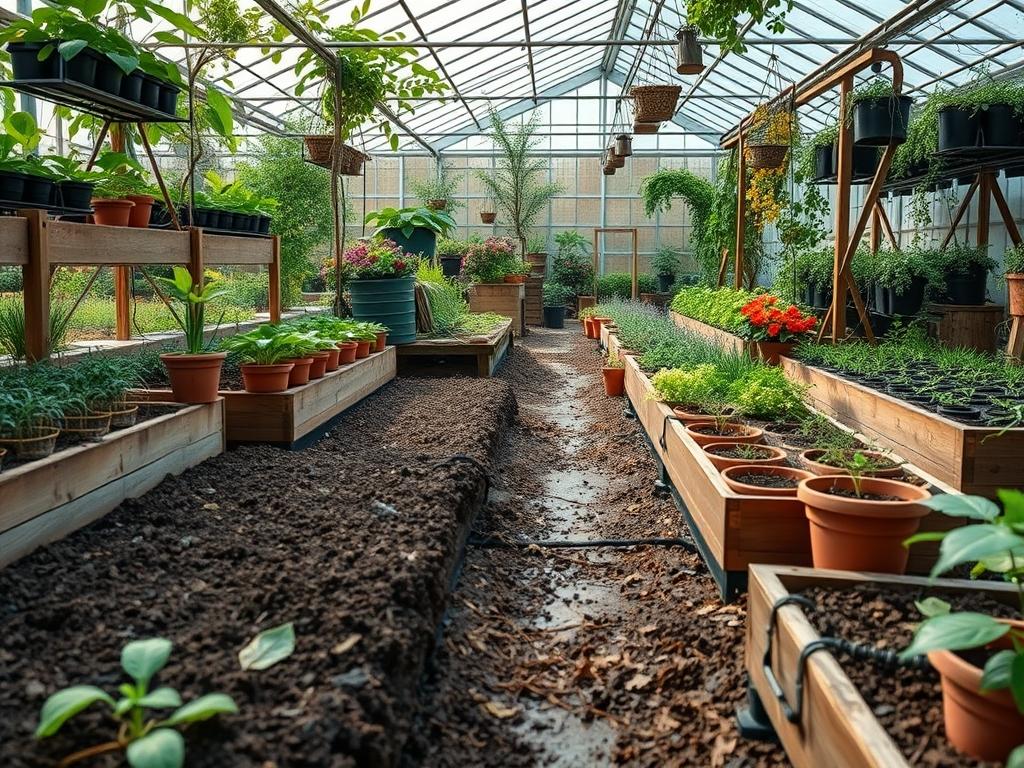
The evolution of a modern landscape begins long before the first excavator breaks the crust of the earth. For decades, architects relied on visual cues and traditional chemical tests that measured little more than nitrogen, phosphorus, and potassium levels. However, the true health of a garden depends on the invisible architecture of the soil. We are currently witnessing a technological shift where AI Soil Microbiome Testing allows us to analyze the complex relationships between fungi, bacteria, and protozoa. This granular data ensures that our design choices are not just aesthetically pleasing, but biologically sustainable. A landscape built without understanding its microbial foundation is a landscape designed for eventual failure. When we consider curb appeal and outdoor functionality, we must look at the garden as a living organism. High-end residential projects now require a precision that accounts for regional climate shifts and localized drainage patterns. By integrating advanced testing, we can predict how a specific retaining wall might affect moisture retention or how a stone walkway might compact the surrounding root zones.
The challenge for the contemporary landscape consultant is to marry these technological insights with classic design principles. Curb appeal is no longer just about a manicured lawn; it is about biodiversity and resillience. We aim to create spaces that serve as extensions of the home, providing functional outdoor rooms that increase property value while supporting local ecology. From the initial grading to the final application of organic mulch, every step is informed by the data harvested from the microbiome. This ensures that the high-capital investment of mature specimen trees and intricate hardscaping is protected by a subterranean environment capable of supporting long-term growth.
Landscape Design Principles
Effective landscape design relies on a rigorous adherence to visual balance and spatial logic. Symmetry often dominates the approach to formal entryways, where mirrored plantings create a sense of order and grandeur. However, asymmetrical balance is frequently more effective for large residential backyards, as it mimics the natural flow of the environment. Focal points are essential to guide the eye; these might consist of a large architectural boulder, a specialized water feature, or a singular specimen tree such as a Japanese Maple. Without these anchors, the landscape can feel aimless and cluttered.
Elevation layers provide the necessary depth to keep a garden from appearing two-dimensional. We achieve this by layering plants of varying heights, starting with low-lying groundcovers and transitioning through mid-sized shrubs to a soaring canopy. In regions with flat topography, we often introduce artificial elevation through the use of tiered planters or raised beds. These structures do more than just add visual interest; they allow for specialized soil mixes tailored to the needs of specific plant communities as identified by AI Soil Microbiome Testing.
Irrigation planning must be integrated into the design from the start, rather than added as an afterthought. We utilize drip irrigation systems that target the root zone directly, reducing evaporation and preventing the fungal leaf diseases common with overhead sprays. Walkways should be designed to facilitate “desire lines,” which are the natural paths people take when moving through a space. By using materials like flagstone or decomposed granite, we create permeable surfaces that allow water to reach the soil, maintaining the health of the microbiome beneath the path. Visual balance is the final touch, ensuring that no single element overwhelms the others, creating a harmonious transition from the built environment to the natural world.
Plant and Material Selection
| Plant Type | Sun Exposure | Soil Needs | Water Demand | Growth Speed | Maintenance Level |
| :— | :— | :— | :— | :— | :— |
| Quercus virginiana (Live Oak) | Full Sun | Deep, Well-drained | Moderate | Slow | Low |
| Lavandula angustifolia (Lavender) | Full Sun | Sandy, Alkaline | Low | Moderate | High |
| Hydrangea macrophylla | Partial Shade | Rich, Moist, Acidic | High | Fast | Moderate |
| Miscanthus sinensis (Maiden Grass) | Full Sun | Diverse, Loamy | Low | Fast | Low |
| Taxus baccata (Yew) | Part Shade | Well-drained | Moderate | Slow | Low |
| Buxus sempervirens (Boxwood) | Full to Part Sun | Loamy, Neutral | Moderate | Slow | Moderate |
| Echinacea purpurea (Coneflower) | Full Sun | Poor to Average | Low | Fast | Low |
The selection of plants and materials is the most critical phase for long-term viability. We prioritize native plants because they are hyper-adapted to the local climate and require fewer chemical interventions. When selecting materials for hardscaping, we consider the thermal mass of the stone. For instance, dark slate can absorb significant heat, potentially scorching the roots of nearby delicate perennials. Conversely, lighter limestone reflects light and stays cooler, making it a better choice for poolside lounging areas. Every material chosen must complement the biological data provided by the AI Soil Microbiome Testing to ensure a cohesive ecosystem.
Implementation Strategy
The implementation phase begins with professional grading to ensure that water moves away from the home foundation. We use a transit level to calculate the precise slope required for efficient drainage. If the site has heavy clay, we may install a French drain system, which consists of a perforated pipe buried in a trench of clean gravel. This prevents water from pooling and drowning the beneficial aerobic bacteria in the soil. Once the grading is complete, we mark out the beds using marking paint or flexible garden hose to visualize the curves before cutting the edges.
Edging is vital for a professional finish. We prefer 14-gauge steel edging or heavy-duty aluminum because they provide a crisp line that prevents turf grass from encroaching into the planting beds. After the plants are positioned according to the design plan, we check the root balls to ensure they are not “root-bound.” If they are, we gently tease the roots out to encourage outward growth. After planting, we apply a 3-inch layer of hardwood mulch. This serves multiple purposes: it retains moisture, suppresses weeds, and as it breaks down, it provides carbon to the microbes identified during the AI Soil Microbiome Testing. Finally, the installation of low-voltage LED lighting highlights the focal points and ensures the landscape is functional after sunset.
Common Landscaping Failures
The most frequent mistake in professional landscaping is improper drainage. When water sits stagnant, it creates an anaerobic environment that kills beneficial fungi and encourages pathogens like Phytophthora. This often happens when planters are installed without adequate weep holes or when the site is not graded correctly. Another common issue is root overcrowding. It is tempting to plant for “instant impact” by placing shrubs too close together, but within three years, the competition for light and nutrients will cause the interior of the plants to die back, leading to a spindly and diseased appearance.
Soil compaction is a “silent killer” of high-end landscapes. Heavy machinery used during construction can compress the soil so tightly that oxygen cannot reach the roots. Without oxygen, the soil microbiome collapses, and even the most expensive plants will fail. We use aeration tools and organic soil conditioners to mitigate this, but prevention is always better than a cure. Lastly, irrigation inefficiencies often plague gardens. Over-watering is just as damaging as under-watering; it leaches nutrients out of the soil and creates “lazy” root systems that cannot survive a drought. Using smart irrigation controllers that adjust based on real-time weather data is the modern solution to this problem.
Seasonal Maintenance
Spring is the season of renewal and preparation. This is when we perform the primary pruning for most deciduous shrubs and apply a balanced slow-release fertilizer. We also refresh the mulch layers and check the irrigation heads for blockages or leaks caused by winter freezes. This is the ideal time to run a follow-up AI Soil Microbiome Test to see how the microbial population survived the winter and if any biological amendments are needed to jumpstart the growing season.
Summer maintenance focuses on water management and deadheading. As temperatures rise, we monitor for signs of heat stress. We avoid heavy pruning during this time, as it can stress the plants further. In Autumn, the focus shifts to “putting the garden to bed.” We leave some perennial seed heads for wildlife but remove any diseased foliage to prevent pathogens from overwintering. This is also the best time for planting new trees, as the cooler air and warm soil encourage root establishment. Winter is the time for structural maintenance. We prune for “the three Ds” (dead, damaged, or diseased wood) and protect sensitive species with burlap wraps if an extreme cold snap is predicted. Monitoring the soil moisture even in winter is crucial, as evergreen plants continue to lose water through their needles.
Professional Landscaping FAQ
How does AI Soil Microbiome Testing improve my garden?
It identifies the specific bacteria and fungi present in your soil. This allows us to customize nutrient applications and biological stimulants, ensuring your plants have the exact microscopic partners they need to thrive and resist common diseases.
What is the best mulch for a low-maintenance landscape?
Triple-shredded hardwood mulch is generally superior. It mats together to prevent washouts, suppresses weeds effectively, and breaks down into rich organic matter. Ensure it is kept away from the direct base of tree trunks to prevent bark rot.
How do I fix poor drainage in an established yard?
You may need to install a French drain or a dry creek bed. These features redirect excess water toward a lower point or a rain garden, preventing soil saturation and protecting the integrity of your plant root systems.
Why are native plants better than exotic varieties?
Native plants evolved with local soil and weather patterns. They require significantly less water and fertilizer once established. Additionally, they provide essential habitat for local pollinators, creating a more balanced and self-sustaining ecosystem for your property.
How often should I test my soil microbiome?
For high-value landscapes, an annual test is recommended. Testing in early spring allows you to adjust your maintenance strategy for the upcoming year. This ensures that the biological health of your soil keeps pace with the physical growth of your plants.