
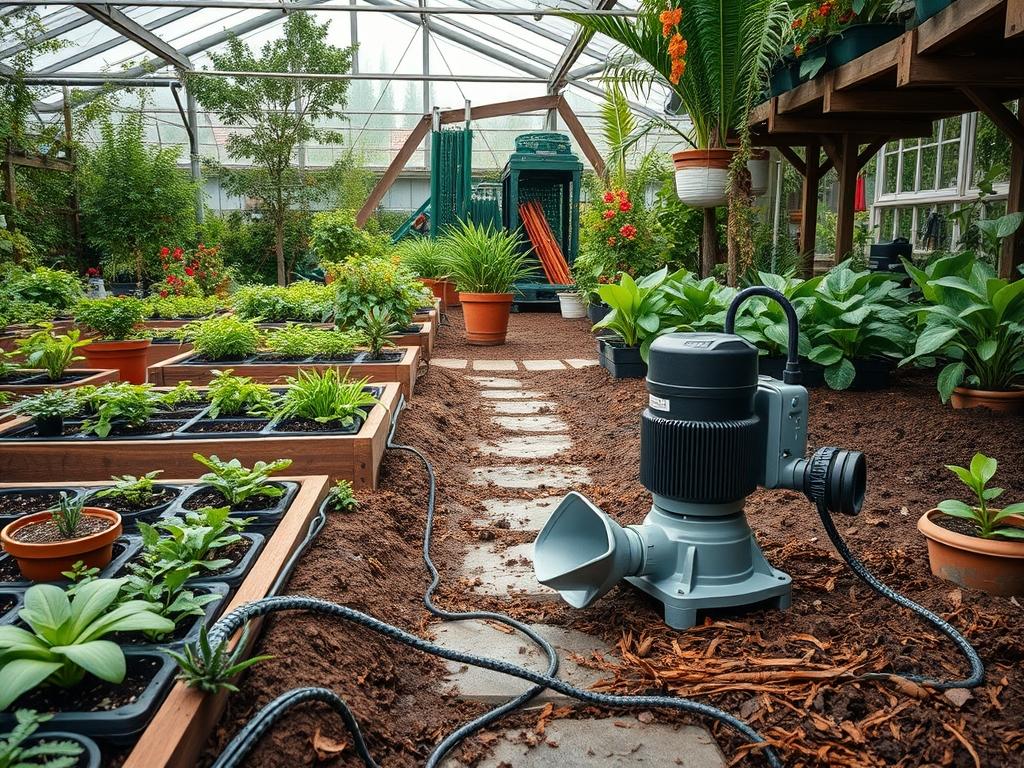
Maintaining a sprawling residential estate or a meticulously designed commercial landscape requires more than just a creative eye for botanical arrangements. It demands a rigorous understanding of the hydraulic infrastructure that sustains every leaf and blade of grass. Modern landscape design has moved beyond static watering schedules, transitioning into an era where precision is paramount. The primary challenge for any outdoor environment consultant is balancing the aesthetic desire for lush, vibrant greenery with the environmental responsibility of water conservation. Achieving this balance depends heavily on the integration of Smart Irrigation Pump Control. This technology serves as the nervous system of the property, connecting weather data, soil moisture levels, and water delivery hardware into a cohesive, responsive unit. A well planned system does more than just keep plants alive; it protects the long term investment of the property owner by ensuring that curb appeal remains high even during periods of intense heat or unexpected drought. Through the use of pressure sensors and variable frequency drives, a sophisticated pump system can adapt to the unique topography of a site, providing the exact amount of lift needed to reach elevated terrace gardens without wasting energy or over-pressurizing delicate drip lines in the lower valleys.
Landscape Design Principles
Successful landscape architecture relies on the foundational concepts of symmetry and visual balance, yet these elements are only as strong as the irrigation system supporting them. When planning a site, I first look at the focal points, which are often large specimen trees or intricate water features. These elements require dedicated zones within the irrigation layout. Elevation layers play a critical role here. A flat lawn has vastly different hydraulic requirements than a sloped retaining wall. By utilizing Smart Irrigation Pump Control, designers can manage these elevation changes with precision. The system detects the increased resistance when pumping water uphill and adjusts the pump speed to maintain a constant pressure. This prevent the “misting” effect often seen in traditional systems where high pressure turns water into a fine fog that drifts away in the wind.
Irrigation planning must also account for walkways and hardscaping. Visual balance is achieved by ensuring that the transition between paved areas and green spaces is seamless. This requires tight control over radius and spray patterns to avoid staining stone surfaces with mineral rich water. Furthermore, hydro-zoning, the practice of grouping plants with similar water needs together, becomes significantly more effective when the pump can modulate its output based on which zone is active. A zone of Dwarf Mondo Grass requires a soft, low volume soak, while a high traffic lawn area may need a high volume delivery over a shorter duration.
Plant and Material Selection
The choice of plant material dictates the complexity of the irrigation program. In the table below, we examine various species and their specific environmental requirements to help guide the programming of a smart control system.
| Plant Type | Sun Exposure | Soil Needs | Water Demand | Growth Speed | Maintenance Level |
| :— | :— | :— | :— | :— | :— |
| Japanese Maple | Partial Shade | Well-drained acidic | Moderate | Slow | High |
| Blue Star Creeper | Full Sun to Part Shade | Loamy | High | Moderate | Low |
| Lavender | Full Sun | Sandy, alkaline | Low | Moderate | Medium |
| Boxwood Shrub | Full Sun to Shade | Loamy, well-drained | Moderate | Slow | Medium |
| Creeping Thyme | Full Sun | Poor, rocky | Low | Fast | Low |
| Fountain Grass | Full Sun | Adaptable | Low to Moderate | Fast | Low |
Implementation Strategy
The transition from a blueprint to a living garden requires a disciplined implementation strategy. The first phase is always grading and drainage. Before a single plant is placed, the soil must be pitched away from structures to prevent foundation damage. I recommend a minimum slope of two percent for lawn areas. Once the sub-grade is established, we install the primary irrigation mains. This is where Smart Irrigation Pump Control hardware is integrated. The controller is typically mounted in a weather protected housing near the water source, whether that is a well, a cistern, or a municipal connection.
Step two involves the installation of lateral lines and valve boxes. We use 2-inch PVC for main lines to ensure low friction loss, while 1-inch lateral lines feed the individual zones. Edging is then installed to define the beds, creating a clean break between turf and mulch. We specify a 3-inch depth of organic cedar mulch to retain moisture and suppress weeds. During the hardscaping phase, any retaining walls must include 4-inch perforated drain pipe behind the wall to prevent hydrostatic pressure buildup. Once the physical structure is in place, the smart pump is calibrated. This involves running a “learn” cycle where the controller measures the flow rate and pressure of every zone, establishing a baseline that allows it to detect leaks or clogs in the future.
Common Landscaping Failures
The most frequent failures in high end landscapes are rarely related to the plants themselves but rather to the infrastructure beneath them. Drainage mistakes are the most common culprit. When water pools around the root ball of a Japanese Maple, it leads to root rot and eventual total plant failure. Improper spacing is another recurring issue; designers often plant for immediate impact, forgetting that woody shrubs will treble in size over five years. This leads to root overcrowding and competition for nutrients.
Soil compaction is a silent killer in many gardens. Heavy machinery used during construction can compress the soil to the point where oxygen cannot reach the roots. In terms of irrigation, the most significant failure is inefficiency caused by “set it and forget it” timers. Without Smart Irrigation Pump Control, systems will run during rainstorms or in humid conditions when the plants do not need water. This not only wastes a precious resource but also leaches nutrients out of the soil, forcing the owner to use more fertilizer. Furthermore, improper pump sizing can lead to “short cycling,” where the pump turns on and off rapidly, leading to motor burnout and expensive repair bills.
Seasonal Maintenance
A landscape is a dynamic, living entity that requires different care as the seasons shift. In the spring, the focus is on reactivation. This involves flushing the lines to remove any sediment that settled over the winter and checking the Smart Irrigation Pump Control for firmware updates. We inspect each nozzle for debris and adjust the spray patterns to account for new plant growth.
During the summer month, the goal is stress management. The smart controller should be set to “auto-adjust” mode, which uses local weather station data to increase watering frequency during heat waves. Autumn is the time for deep root fertilization and over-seeding of turf areas. As the weather cools, the irrigation frequency is dialed back. Finally, winter landscape management involves “winterizing” the system. In colder climates, this means using an air compressor to blow all water out of the lines to prevent freezing and cracking. The pump itself should be disconnected or protected with heat tape. Even in dormant months, the landscape architect should monitor the soil moisture to ensure that evergreens do not suffer from winter desiccation.
Professional Landscaping FAQ
What is the main benefit of a smart pump controller?
It automatically adjusts water flow and pressure based on real time environmental conditions. This reduces water waste, lowers energy costs, and ensures that plants receive the precise amount of hydration they need to thrive throughout the year.
Can I retrofit an old irrigation system with smart controls?
Yes, most existing systems can be upgraded. You typically replace the old clock timer with a smart hub and install a variable frequency drive on the pump. This immediately improves the efficiency and monitoring capabilities of the entire hydraulic network.
How does mulch depth affect irrigation frequency?
A consistent 3-inch layer of mulch acts as an insulator for the soil. It significantly reduces evaporation rates, meaning the Smart Irrigation Pump Control will trigger the system less frequently, ultimately extending the lifespan of your pump and well.
Why is drainage as important as irrigation?
Proper drainage ensures that excess water is moved away from plant roots and building foundations. Without it, even the most advanced irrigation system will eventually cause soil saturation issues, leading to fungal diseases and structural instability in hardscaped areas.
How do I know if my pump is the right size?
A professional consultant calculates the total dynamic head and the required gallons per minute for your largest zone. If the pump is too small, your sprinklers will not pop up; if too large, you risk bursting pipes.