
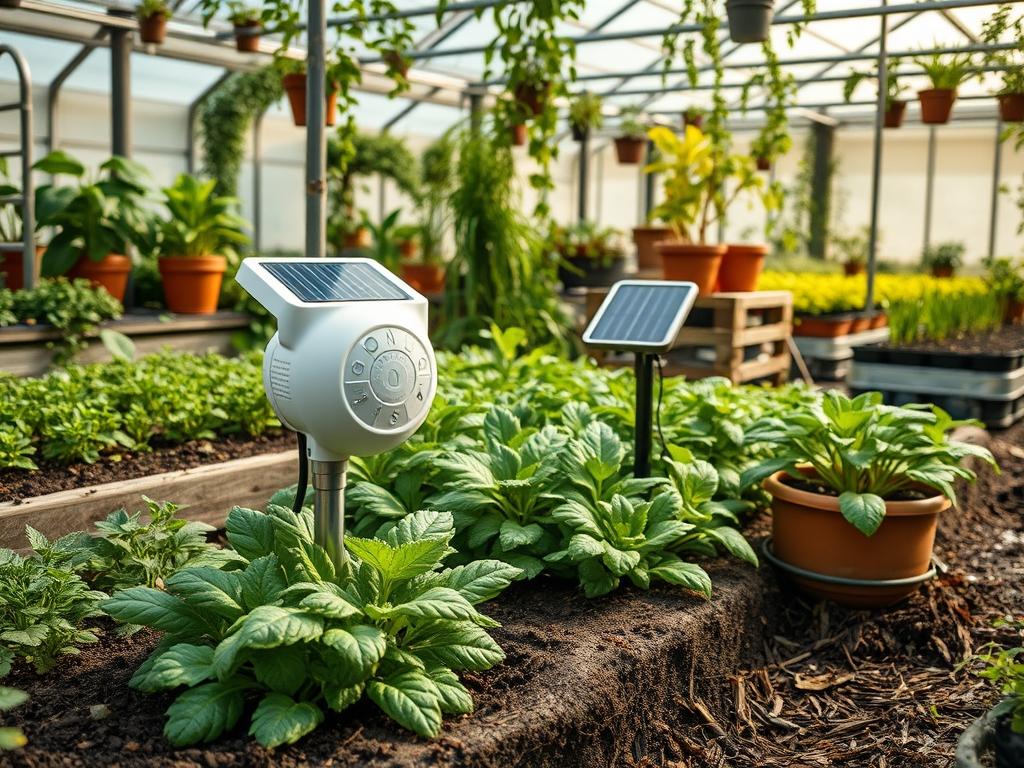
Achieving a professional-grade landscape requires more than just an intuitive sense of aesthetics; it necessitates a deep understanding of the biological and environmental variables that dictate plant health. As a landscape architect, I have seen countless homeowners invest thousands of dollars in high-end Specimen Trees and Natural Stone Pavers, only to see their vision wither due to a lack of actionable data. The primary challenge in modern outdoor design is the management of microclimates within a single property. One corner of a yard may retain moisture due to poor Drainage, while a nearby southern-facing slope suffers from extreme heat. This is where Solar Powered Garden Sensors have revolutionized the industry. By providing real-time measurements of soil moisture, ambient temperature, and light intensity, these devices allow us to tailor our maintenance schedules to the specific needs of each zone. Integrating technology into the soil ensures that the structural integrity of your design is supported by scientific precision, resulting in a landscape that thrives year-round.
Landscape Design Principles
Successful landscape design is built upon the fundamental principles of symmetry, focal points, and elevation layering. Symmetry creates a sense of order and tranquility, often achieved by mirroring plant groupings along a central walkway or axis. However, maintaining perfectly symmetrical growth is impossible if one side of the garden receives significantly more sunlight or water than the other. Architects now use Solar Powered Garden Sensors during the site analysis phase to map light patterns. This data informs where to place structural elements like Arbors or Pergolas without overshadowing sun-loving varieties. Focal points, such as a large Japanese Maple or a bespoke water feature, draw the eye and provide a sense of purpose to the space. By monitoring the soil conditions at the base of these focal points, we can ensure they remain the healthiest specimens in the garden.
Elevation layers are equally critical for visual depth. A professional layout typically features three distinct levels: the ground cover layer, the mid-story shrub layer, and the canopy layer. Each of these layers interacts differently with the environment. Ground covers like Creeping Thyme are susceptible to soil compaction and puddling, whereas the canopy layer deals with wind desiccation and high ultraviolet exposure. We utilize sensors at varying heights and depths to monitor how water moves through these elevations. Furthermore, transition zones, such as the areas where a soft lawn meets a rigid Retaining Wall, require careful planning. The thermal mass of stone walls can increase soil temperature, a factor that is easily tracked with modern sensors to prevent root scorch in adjacent plantings.
Plant and Material Selection
Selecting the right materials and flora is a balancing act between the existing soil chemistry and the desired aesthetic outcome. We categorize plants based on their physiological needs to create hydro-zones, which are groups of plants with similar water requirements. This strategy maximizes the efficiency of Drip Irrigation and localized watering.
| Plant Type | Sun Exposure | Soil Needs | Water Demand | Growth Speed | Maintenance Level |
| :— | :— | :— | :— | :— | :— |
| English Yew | Full Sun to Shade | Well-drained | Moderate | Slow | Low |
| Lavender | Full Sun | Sandy, Alkaline | Low | Moderate | Medium |
| Hostas | Full Shade | Rich, Organic | High | Moderate | Low |
| Hydrangea | Partial Shade | Loamy, Moist | High | Fast | High |
| Ornamental Grass | Full Sun | Diverse | Low | Fast | Low |
| Dwarf Boxwood | Full to Partial Sun | Loamy | Moderate | Slow | Medium |
When selecting hardscaping materials, we prioritize durability and permeability. Crushed Granite, Flagstone, and Permeable Pavers allow for better water infiltration compared to solid concrete. To protect these investments, Geotextile Fabric is often laid beneath the stone to prevent weed growth and soil mixing. The use of Solar Powered Garden Sensors in these areas can alert us if the sub-base is becoming oversaturated, which could lead to shifting or sinking of the stone over time.
Implementation Strategy
The implementation phase begins with professional Grading. We ensure the land slopes away from the home foundation at a minimum of a 2 percent grade to facilitate proper Drainage. Once the rough grade is established, we mark the layout using Construction String and Marking Paint. This is the ideal time to install the infrastructure for your Solar Powered Garden Sensors. Placing sensors before the final layer of Topsoil and Mulch allows for the discreet routing of any necessary cables, though most modern units are entirely wireless and rely on photovoltaic cells for power.
After the irrigation pipes are laid, we focus on the Edging. We recommend Steel Edging or Aluminum Edging for a crisp, permanent border between lawn and garden beds. When planting, we dig holes that are 2 times wider than the root ball but no deeper, ensuring the flare of the trunk remains above the soil line. After the plants are set, a 3-inch layer of Double-shredded Hardwood Mulch is applied. This mulch acts as an insulator, but it can also block light from reaching the sensors if they are not positioned correctly. We place the sensor probes through the mulch directly into the root zone of our most sensitive plants to get the most accurate readings possible.
Common Landscaping Failures
The most frequent failure in residential landscaping is improper Drainage. Homeowners often overlook how water travels across hard surfaces during heavy rain, leading to erosion or stagnant pools that drown root systems. Without Solar Powered Garden Sensors to provide an alert, these issues often go unnoticed until the plant begins to show signs of leaf chlorosis or root rot. Another major mistake is root overcrowding. It is tempting to plant closely for an immediate full look, but failing to provide the 3-foot to 5-foot spacing required for mature shrubs leads to poor air circulation and the rapid spread of fungal diseases.
Implicit in many failures is the neglect of soil structure. Soil Compaction occurs during construction or from frequent foot traffic, crushing the air pockets necessary for root respiration. A sensor that monitors soil oxygen or moisture levels can indicate when it is time to perform core aeration. Furthermore, many people over-irrigate. They assume that if it is hot outside, the plants need water, but the soil may actually be saturated at the root level. By relying on sensor data rather than visual cues, you avoid the common trap of overwatering, which is just as lethal as drought.
Seasonal Maintenance
Landscape management is a year-round commitment that changes with the sun’s trajectory. In the Spring, the focus is on cleanup and preparation. We remove any Winter Mulch, prune dead wood with Bypass Pruners, and check the calibration of all Solar Powered Garden Sensors. This is the time to apply a slow-release fertilizer if the sensors indicate a nutrient deficiency in the soil.
During the Summer, the priority shifts to moisture retention and heat stress management. We increase the monitoring frequency of our digital systems. If the sensors show a rapid decline in moisture, we may apply a secondary layer of Pine Bark Mulch to help keep the roots cool. In the Autumn, we transition to planting bulbs and preparing for dormancy. We clean the solar panels on our sensors to ensure they can gather enough energy during the shorter days. Finally, in Winter, we protect sensitive plants with Burlap Wraps and may remove sensors if the ground is prone to deep freezes that could damage the probes. Continuous data throughout the winter helps us plan for the following spring by identifying which areas stayed the coldest for the longest duration.
Professional Landscaping FAQ
How many sensors do I need for a standard backyard?
Typically, one sensor per hydro-zone or major garden bed is sufficient. If your yard has significant elevation changes or varied sun exposure, you should place a sensor in each unique microclimate to ensure accurate data for your entire landscape.
Can solar sensors work in shady areas?
Most high-quality Solar Powered Garden Sensors are designed to operate in partial shade. They require only a few hours of indirect light to maintain a charge. For deep shade, look for models with remote solar panels that can be mounted nearby.
Do these sensors replace the need for a soil test?
Sensors provide real-time data on moisture and light, but they do not replace a comprehensive laboratory soil test for micronutrients and heavy metals. Use sensors for daily management and professional soil tests every three years for long-term health.
What is the best way to clean sensor probes?
Wipe the metal probes with a damp cloth to remove soil buildup. Every few months, use a light Emery Cloth or fine sandpaper to remove oxidation, ensuring a clear electrical connection between the sensor and the soil for the most accurate readings.
Will mulch interfere with sensor readings?
Mulch can insulate the soil and affect temperature readings, but it also reflects how the plant roots feel. Ensure the sensor probe reaches deep into the soil beneath the Mulch layer while keeping the solar collector clear of any organic debris.