
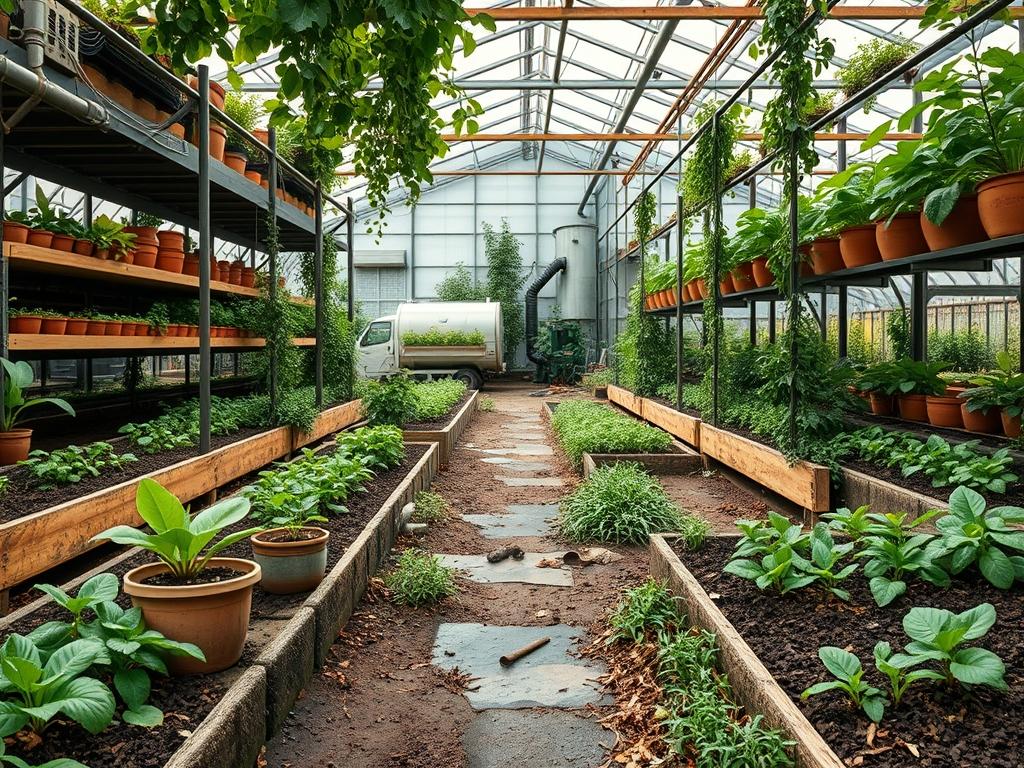
Modern landscape architecture is undergoing a significant transition as homeowners seek to bridge the gap between high-tech convenience and sustainable living. The integration of Automated Poultry Housing into a sophisticated garden plan represents this shift, moving away from the hidden, rustic coops of the past toward elegant, tech-forward structures that serve as functional anchors. Designing a backyard that hosts livestock requires a nuanced understanding of environmental harmony, where the coop is not merely an accessory but a central node in a smart ecosystem. This professional approach prioritizes aesthetics, animal welfare, and operational efficiency through rigorous site analysis and purposeful material selection. By treating the poultry habitat as a structural element similar to a gazebo or a modern shed, the designer can maintain high curb appeal while maximizing the utility of the outdoor space.
Successful integration begins with a deep dive into the microclimate of the property. A landscape architect must evaluate prevailing wind patterns, solar orientation, and natural topography to determine the most hospitable location for the birds. When Automated Poultry Housing is placed correctly, it benefits from passive heating in winter and natural ventilation in summer, reducing the energy load on its mechanical systems. The goal is to create a seamless transition between the manicured zones of the garden and the utility area of the poultry run. This is achieved by utilizing modern materials like powder-coated steel, rot-resistant cedar, and tempered glass that echo the architectural language of the main residence.
Landscape Design Principles
Symmetry and visual balance are the hallmarks of a well-integrated smart garden. When positioning Automated Poultry Housing, the structure should align with existing sightlines from the primary windows of the home. Using a leveling laser, a designer can ensure the structure sits perfectly on a horizontal plane, which is essential for the proper operation of automated doors and gravity-fed cleaning systems. If the terrain is sloped, builders should utilize retaining walls made of stackable concrete blocks or natural fieldstone to create a level pad, preventing the shifting that can cause smart sensors to lose calibration.
The concept of elevation layers is critical for managing the immediate surroundings of the coop. By raising the structure roughly 12 inches above the surrounding grade on a foundation of compacted pea gravel, the architect ensures that water moves away from the living quarters. This prevents the accumulation of pathogens and protects the longevity of the electronic components. Focal points can be established by flanking the coop with tall, architectural plants that provide vertical interest without obstructing the view of the automated interfaces. Walkways leading to the coop should be constructed from permeable pavers or flagstone set in crushed granite, providing a clean, mud-free path for the owner to perform occasional manual checks or maintenance on the smart features.
Irrigation planning must be reimagined when poultry are involved. Smart garden controllers should be programmed to manage separate zones for the poultry area and the ornamental beds. Integrating a dedicated drip irrigation line specifically for the chickens’ water supply ensures they always have fresh, cool water without the need for manual refills. Furthermore, placing high-moisture plants down-slope from the poultry run allows for the natural capture of nutrient-rich runoff, turning a potential waste problem into a self-fertilizing landscape feature.
Plant and Material Selection
| Plant Type | Sun Exposure | Soil Needs | Water Demand | Growth Speed | Maintenance Level |
| :— | :— | :— | :— | :— | :— |
| Lavender | Full Sun | Well-Drained | Low | Medium | Low |
| Rosemary | Full Sun | Sandy/Loam | Low | Fast | Medium |
| Miscanthus | Full to Part | Varied | Medium | Fast | Low |
| Boxwood | Part Shade | Rich Loam | Medium | Slow | High |
| Echinacea | Full Sun | Average | Low | Medium | Low |
| Arborvitae | Full to Part | Moist/Deep | Medium | Moderate | Low |
| Clematis | Full Sun/Roots Cool | Rich/Drained | Medium | Fast | Medium |
The selection of Lavender and Rosemary serves a dual purpose. These plants are aesthetically pleasing and drought-tolerant, but they also act as natural pest deterrents, helping to keep insects away from the coop entrance. Miscanthus provides excellent screening and rustling sounds that can mask the occasional noise of the flock, while Arborvitae acts as a year-round windbreak to protect the automated mechanisms from harsh winter gusts.
Implementation Strategy
The first phase of implementation involves precise site preparation. Using a trenching spade, the perimeter of the designated area should be excavated to a depth of 18 inches. Within this trench, installers should place hardware cloth with a 1/2 inch mesh, bending the bottom 6 inches outward in an L-shape to deter burrowing predators. This subterranean barrier is a non-negotiable step for any high-end poultry installation. Once the barrier is set, the site must be graded using a landscape rake to achieve a 2 percent slope away from the coop foundation to handle heavy rainfall.
After the grading is complete, a 4-inch layer of coarse gravel should be topped with 2 inches of sand or screened topsoil depending on the desired finish. For the poultry run itself, industrial-grade wood chips or hemp bedding provide a clean, absorbent surface that breaks down slowly. The transition to the ornamental garden is defined using steel edging or pressure-treated timber, which keeps the mulch types separate and maintains a crisp look. Finally, the Automated Poultry Housing unit is secured to its anchors, and the smart sensors are synced with the home’s central hub.
Common Landscaping Failures
One of the most frequent errors in poultry-integrated design is poor drainage management. Placing a coop at the bottom of a slope or in a depression leads to stagnant water, which destroys the structural integrity of the wood and causes electronic failures in automated doors or lighting. Always utilize a French drain or a dry creek bed to redirect surface water if the natural topography is unfavorable. Another common failure is root overcrowding. Planting large trees too close to the coop and its automated systems can lead to root intrusion into the drainage pipes or the power lines that feed the smart tech.
Soil compaction is another silent killer of backyard aesthetics. If chickens are allowed to roam the same small patch of grass indefinitely, they will strip the vegetation and compact the soil, preventing water infiltration. The professional solution is to implement a rotational grazing system using moveable fencing or to design a “chicken moat” around the perimeter of the garden. Irrigation inefficiencies also plague many DIY setups; if the drip emitters are placed too close to the coop walls, the constant moisture can lead to mold growth and wood rot, compromising the health of the flock.
Seasonal Maintenance
Spring is the season for deep cleaning and hardware calibration. Use a stiff-bristled brush and organic disinfectant to scrub the interior surfaces. Check the weather stripping on all automated panels and clear any debris from the sliding door tracks. This is also the time to apply a fresh 2-inch layer of cedar mulch to the surrounding garden beds to suppress weeds and retain moisture.
Summer maintenance focuses on heat mitigation. Ensure that the misting system or high-pressure fans are functioning correctly within the coop. Inspect the irrigation zones to ensure that the surrounding plants, which provide essential shade, are receiving adequate hydration during heatwaves. In Autumn, the priority shifts to leaf management. Use a leaf blower to clear the coop roof and the drainage gutters, as decaying organic matter can trap moisture against the structure. Inspect the hardware cloth for any signs of wear or attempted entry by predators looking for winter shelter.
Winter requires a focus on insulation and power reliability. If the Automated Poultry Housing includes heated waterers or floor heaters, test these circuits with a multimeter before the first freeze. Apply a organic burlap wrap to sensitive peripheral plants to protect them from frost. Ensure that the walkway to the coop is kept clear of snow and ice using pet-safe de-icer to maintain safe access for the occasional manual inspection.
Professional Landscaping FAQ
How does automated housing improve garden health?
Automated systems manage waste and water more precisely. This prevents nutrient runoff and soil oversaturation, ensuring the surrounding native plants thrive without the nitrogen burn typically associated with traditional, unmanaged poultry enclosures in small residential spaces.
What is the best ground cover for the run?
A mixture of coase sand and wood chips is preferred. It provides excellent drainage, is easy to rake, and prevents the soil compaction that often occurs in high-traffic poultry areas, maintaining a clean aesthetic for the landscape.
Can I integrate the coop into an existing smart home?
Yes. Most modern Automated Poultry Housing units use Wi-Fi or Zigbee protocols. This allows you to monitor temperature, door status, and feed levels from the same interface used for your irrigation timers and outdoor lighting.
How do I prevent the coop from smelling?
Effective drainage and proper ventilation are essential. By using a 6-inch deep litter system with high-carbon materials like hemp bedding, and ensuring the site is graded correctly, you can neutralize odors before they impact your outdoor living quality.
Is hardware cloth better than chicken wire?
Substantially. Hardware cloth made of 19-gauge steel is necessary to stop predators like raccoons or foxes. Traditional chicken wire is only designed to keep chickens in, not to keep determined predators out of your high-value automated investment.