
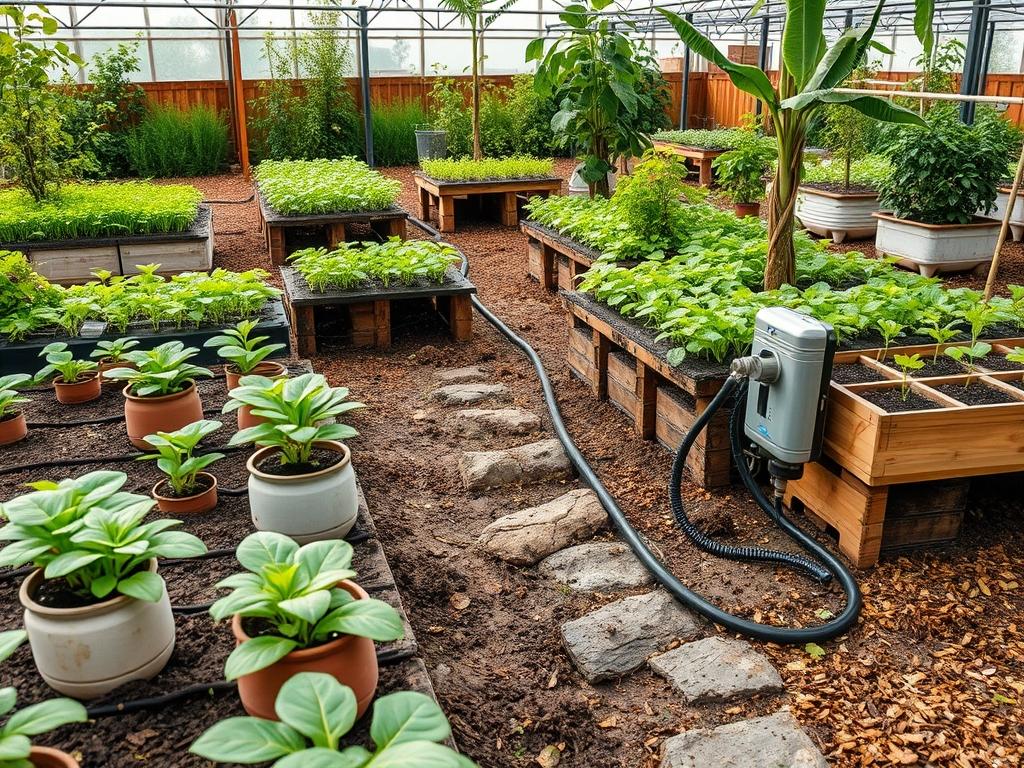
Coastal property owners face a unique set of environmental variables that can compromise even the most expensive landscape designs. Between the relentless salt spray, high wind speeds, and fluctuating water tables, the chemistry of the soil remains the most significant hurdle for long-term plant health. Managing these environments requires more than just high-quality Topsoil and organic Mulch; it necessitates a data-driven approach. Smart Soil Salinity Monitoring has emerged as the gold standard for maintaining lush, functional outdoor spaces in maritime regions. Without a precise understanding of the Electrical Conductivity (EC) within the root zone, expensive specimens are often lost to physiological drought, a condition where salt prevents roots from absorbing the very water that surrounds them. By integrating technology with traditional horticultural wisdom, designers can create resilient coastal sanctuaries that offer both curb appeal and sustainable functionality.
Landscape Design Principles
Successful coastal landscaping begins with a structural understanding of the site’s topography and its relationship to the shoreline. Visual balance is achieved through the use of elevation layers, which act as tiered defenses against the elements. We often utilize Retaining Walls and terraced garden beds to prevent erosion while providing distinct planting pockets. The primary focal point should be positioned to withstand the heaviest wind loads, often framed by hardy, wind-breaking shrubs that protect more delicate flowering species toward the interior of the garden.
Symmetry in coastal design should be flexible rather than rigid. While a formal entrance may utilize paired Planters, the broader landscape often benefits from the organic flow of the coastline itself. Walkways should be constructed from porous materials like Crushed Oyster Shells or Decomposed Granite to allow for immediate drainage during storm surges. Irrigation planning must be highly specific; a standard timer-based system is insufficient for coastal soil. Instead, the layout should include dedicated zones for leaching, where higher volumes of fresh water are applied specifically to wash accumulated salts below the active root zone. This process is most effective when guided by real-time data from high-precision Soil Sensors.
Plant and Material Selection
Selecting the right biological inventory is the difference between a thriving ecosystem and a constant replacement cycle. We prioritize halophytes, plants naturally adapted to salt, alongside smart technology to monitor their transition periods.
| Plant Type | Sun Exposure | Soil Needs | Water Demand | Growth Speed | Maintenance Level |
| :— | :— | :— | :— | :— | :— |
| Sea Oats | Full Sun | Sandy/Well-Drained | Low | Moderate | Low |
| Oleander | Full Sun | Adaptive/Saline | Low | Fast | Medium |
| Rosemary | Full Sun | Gritty/Alkaline | Very Low | Moderate | Low |
| Seashore Mallow | Full or Part Sun | Moist/Sandy | Medium | Fast | Moderate |
| Live Oak | Full Sun | Deep/Acidic to Neutral | Moderate | Slow | Low |
| Rugosa Rose | Full Sun | Sandy/Loam | Low | Moderate | Medium |
| Blanket Flower | Full Sun | Dry/Porous | Very Low | Fast | Low |
For hardscaping, we recommend Grade 316 Stainless Steel for all fasteners and Natural Stone like Travertine or Slate for patios. These materials resist the pitting and oxidation common in salt-heavy air.
Implementation Strategy
The implementation phase must prioritize sub-grade preparation. Before any Sod is laid or trees are perched, the site must be graded to ensure a minimum 2 Percent Slope away from the primary residence. This prevents the pooling of saltwater during high-tide events or heavy rain. Once the grading is established, we install the Smart Soil Salinity Monitoring system. These sensors should be placed at two depths: 6 Inches for turf and perennials, and 18 Inches for shrubs and trees.
After the sensors are calibrated, the planting begins with the largest specimens to establish the canopy and wind protection. When backfilling planting holes, we incorporate Biochar and Peat Moss to improve cation exchange capacity, which helps the soil hold onto nutrients rather than letting them leach away with the salt. For edging, use Heavy-Duty Aluminum or Stone Cobbles to maintain clean lines between the lawn and the planting beds. A final layer of Cedar Mulch, spread to a 3-Inch Depth, provides a moisture barrier and suppresses the weeds that thrive in disturbed coastal earth.
Common Landscaping Failures
The most frequent mistake in coastal management is the over-application of fertilizer in an attempt to “fix” yellowing leaves. Often, this chlorosis is caused by high salinity, and adding more mineral salts via fertilizer only exacerbates the root burn. Without Moisture Probes and salinity sensors, homeowners often over-irrigate, leading to soil compaction and anaerobic conditions where roots literally suffocate.
Another critical failure is improper spacing. In an effort to create an immediate “full” look, plants are often placed too close together. In coastal zones, air circulation is vital to prevent fungal infections caused by high humidity. Root overcrowding also limits the plant’s ability to find untainted water pockets during dry spells. Finally, ignoring the drainage requirements of hardscaped areas can lead to significant structural damage. If a Retaining Wall does not have adequate Weep Holes and a Gravel Backfill, the pressure from saturated, salt-heavy soil can cause the entire structure to bow or collapse within a few seasons.
Seasonal Maintenance
Seasonal management in a coastal environment is a cycle of monitoring and remediation. During the Spring, the focus is on “leaching.” This involves using the data from the soil sensors to apply localized, heavy irrigation that pushes the winter’s salt accumulation deep into the earth. This is also the time to apply a Slow-Release Organic Fertilizer that won’t contribute to the salinity index.
Summer maintenance requires diligent monitoring of transpiration rates. As temperatures rise, the salt concentration in the soil naturally increases as water evaporates. If the Soil Salinity Monitor indicates a spike, supplemental irrigation must be triggered, even if the soil appears moist to the touch. In Autumn, the goal shifts to protection. We recommend applying a Potassium-Rich Soil Amendment to strengthen cell walls against the coming winter winds. Winter maintenance is largely passive but involves checking the integrity of Burlap Windbreaks and ensuring that the smart monitoring system is protected from freezing temperatures, though coastal soils rarely freeze deep enough to damage buried sensors.
Professional Landscaping FAQ
How does salt actually damage my plants?
Salt creates osmotic stress by drawing moisture out of the roots. Even in wet soil, plants can die from dehydration. High salinity also interferes with the uptake of essential nutrients like potassium and magnesium, leading to stunted growth and leaf scorch.
Why is smart monitoring better than manual testing?
Manual soil tests provide a single snapshot in time. Coastal salinity fluctuates hourly based on tides, wind, and rain. Smart Soil Salinity Monitoring provides continuous data, allowing for immediate irrigation adjustments before visible plant damage occurs.
Can I use any type of mulch on the coast?
No, light mulches like pine bark nuggets often blow away in coastal gusts. We recommend Thick-Cut Cedar or Hardwood Mulch because they interlock and stay in place, while also providing a better buffer against salt spray infiltration.
How often should I leach my soil?
Leaching should only be performed when your EC Sensor indicates that salinity has moved beyond the tolerance threshold for your specific plants. Over-leaching wastes water and can wash away beneficial nutrients, making real-time data essential for the process.
Are native plants enough to skip salinity monitoring?
While Native Plants are more resilient, extreme weather events or changes in local drainage can still push salt levels beyond their natural limits. Monitoring ensures that even hardy species thrive rather than just surviving under constant environmental stress.