
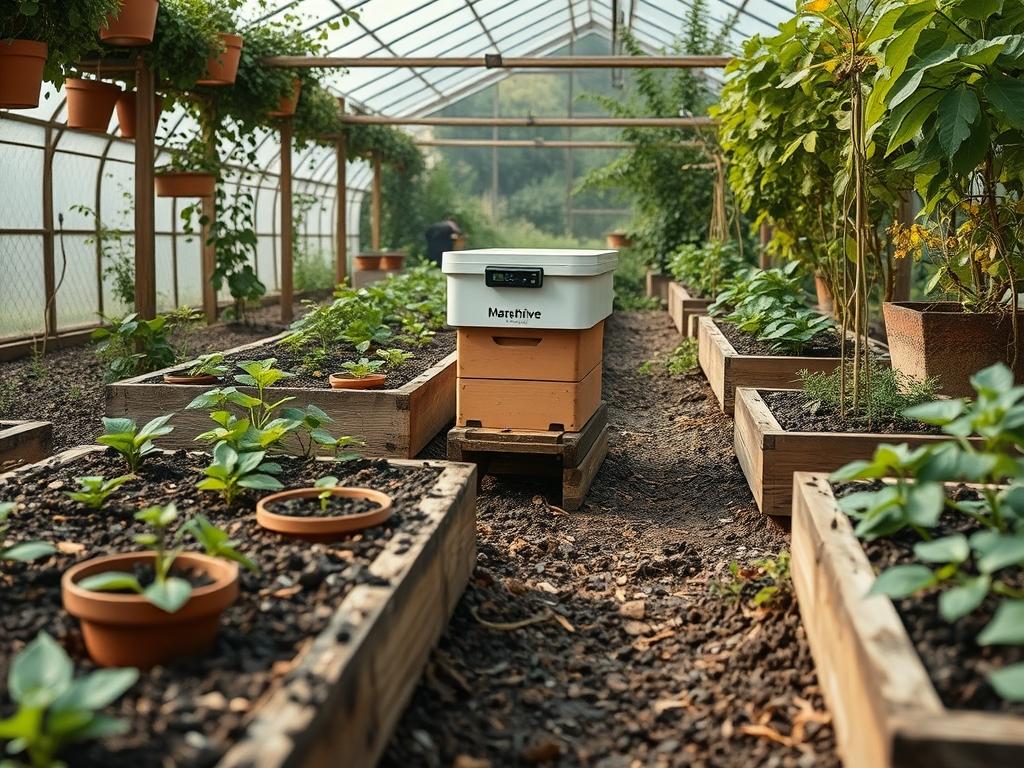
Integrating a productive apiary into a luxury landscape requires a sophisticated balance between ecological function and aesthetic discipline. For the modern homeowner, the inclusion of honeybees is no longer a hidden hobby relegated to the far corners of a property. Instead, it has become a central feature of high-end, sustainable garden design. The primary challenge involves managing the technical needs of the colony while maintaining a pristine outdoor environment. To achieve this, homeowners are increasingly turning to Smart Beehive Monitoring as a non-invasive solution. This technology allows for the oversight of hive health, honey production, and colony temperature without the frequent, disruptive physical inspections that can clutter a manicured garden with smoke and protective gear. By embedding sensors within the hive, a landscape can remain a tranquil space for entertaining while still serving as a vibrant, biodiverse sanctuary.
A successful landscape plan must account for the flight paths of the bees and the specific microclimates of the site. When we design for Smart Beehive Monitoring, we are designing for data as much as for beauty. Sensors require reliable connectivity, often via Wi-Fi or cellular signals, which means the placement of the beehives must be strategically calculated relative to the home’s network infrastructure or dedicated outdoor signal repeaters. This technical requirement must be harmonized with curb appeal. A hive should sit on a stable, level surface that prevents vibrations from interfering with sensitive internal scales. By using natural stone pavers or a poured concrete pad hidden behind a layer of ornamental grasses, we ensure the hive is both a functional data hub and a seamless part of the architectural vision.
Climate considerations play a massive role in the integration process. In regions with harsh winters or scorching summers, the hive acts as a biological indicator of the surrounding environment. Smart Beehive Monitoring provides real time feedback on how external temperatures are affecting the internal brood chamber. As designers, we use this information to adjust the landscape. If a monitor shows the hive is overheating, we may introduce deciduous canopy trees to provide summer shade while allowing winter sun to reach the hive. This creates an outdoor functionality goal centered on circularity; the garden supports the bees, and the bees, monitored by smart technology, provide the data necessary to refine the garden’s irrigation and planting schedules.
Landscape Design Principles
Symmetry and focal points are the hallmarks of a professional garden layout. When incorporating an apiary, the hive itself can serve as a sculptural focal point if it is housed in a high-quality cedar Langstroth or a custom copper-topped hive. We often place these at the terminus of a visual axis, perhaps at the end of a gravel walkway or framed by a boxwood hedge. This creates a sense of intentionality, showing that the bees are a curated part of the estate rather than an afterthought.
Elevation layers are equally vital. To protect the bees and the monitoring equipment from ground-level moisture, hives should be elevated at least 12 inches to 18 inches off the ground. This elevation allows for better air circulation and prevents the rotting of the bottom boards. From a design perspective, we use tiered plantings to soften these elevations. Low-growing groundcovers sit at the base, followed by mid-sized perennials, and finally vertical architectural plants. This layering hides the structural stands and wires often associated with Smart Beehive Monitoring systems, keeping the focus on the natural beauty of the flora.
Irrigation planning must be precise. Traditional spray heads can inadvertently soak a hive entrance or interfere with external sensors located on the landing board. We recommend drip irrigation systems buried beneath 3 inches of organic mulch. This keeps the water at the root zone of the surrounding pollinator plants without affecting the hive’s humidity sensors. Visual balance is maintained by ensuring that the movement of the bees does not disrupt the seating areas or outdoor kitchens. By placing the hives at a discrete distance with a flight path buffer of at least 15 feet from high-traffic zones, we ensure that the technology-driven apiary remains a silent, efficient partner in the landscape.
Plant and Material Selection
The following selection of plants is designed to provide a continuous nectar flow, ensuring the Smart Beehive Monitoring system reflects consistent colony growth and weight gain throughout the growing season.
| Plant Type | Sun Exposure | Soil Needs | Water Demand | Growth Speed | Maintenance Level |
| :— | :— | :— | :— | :— | :— |
| Lavandula angustifolia | Full Sun | Sandy, Alkaline | Low | Moderate | Medium |
| Echinacea purpurea | Full Sun/Part Shade | Loamy, Well-drained | Moderate | Fast | Low |
| Salvia rosmarinus | Full Sun | Dry, Sandy | Very Low | Moderate | Low |
| Nepeta cataria | Full Sun/Part Shade | Average, Well-drained | Moderate | Fast | Medium |
| Monarda didyma | Full Sun/Part Shade | Rich, Moist | High | Fast | Medium |
| Asclepias tuberosa | Full Sun | Poor, Sandy | Low | Moderate | Very Low |
| Solidago | Full Sun | Adaptable | Low | Fast | Low |
Implementation Strategy
The implementation of a tech-integrated bee garden begins with site grading. A level site is non-negotiable for an apiary using weight sensors. If the ground is uneven, the data reported by the Smart Beehive Monitoring software will be inaccurate, potentially masking a lack of honey stores or a sudden swarm. We start by clearing a 4-foot by 4-foot area and excavating to a depth of 6 inches. We fill this with compacted crushed limestone to create a stable, draining base.
Once the base is set, we install the hardscaping. Pressure-treated 4×4 timbers or steel hive stands are positioned to hold the weight of a full hive, which can exceed 200 pounds during a heavy nectar flow. Edging is then applied around the perimeter using aluminum landscape edging or Belgian block to prevent turf grass from encroaching on the hive area. This creates a clean line between the mown lawn and the apiary zone.
For drainage, we ensure the surrounding area is sloped at a 2 percent grade away from the hive. If the site is at the bottom of a hill, we install a French drain using 4-inch perforated pipe and river rock to divert runoff. Finally, a layer of shredded bark mulch or pine needles is applied to a depth of 3 inches to suppress weeds and maintain soil moisture for the nearby pollinator plants. This strategy ensures the sensors remain dry and the bees remain undisturbed by heavy machinery like lawnmowers or string trimmers.
Common Landscaping Failures
One of the most frequent mistakes in garden planning is improper spacing between the hive and dense vegetation. While it is tempting to surround a hive with flowering shrubs for aesthetic reasons, root overcrowding can quickly become an issue. As shrubs mature, their root systems can heave the hive stand, throwing off the calibration of the Smart Beehive Monitoring scales. Always account for the mature spread of a plant before digging.
Drainage mistakes remain a primary cause of hive failure and equipment malfunction. Placing a hive in a low-lying “bowl” of the landscape leads to high localized humidity. The sensors in a Smart Beehive Monitoring kit will reflect this, but high humidity within the hive can lead to fungal growth and chalkbrood disease. Furthermore, soil compaction from heavy foot traffic around the hive can prevent water from infiltrating the ground, leading to puddling. Using stepping stones or permeable pavers around the apiary ensures that the soil remains aerated and drainage stays efficient.
Irrigation inefficiencies also plague many DIY installations. Overhead sprinklers that hit the hive directly can trigger defensive behavior in the bees and cause the wood to warp or rot prematurely. This moisture can also penetrate the seals of the electronic monitor housings. We also see many homeowners fail to provide a dedicated water source. Without a stone-filled birdbath or a shallow fountain, bees may gravitate toward swimming pools or neighboring properties, creating a nuisance that detracts from the landscape’s functionality.
Seasonal Maintenance
Spring is the season for recalibrating both the landscape and the technology. As the first crocus and willow blooms appear, check the Smart Beehive Monitoring app for a spike in internal hive temperature, which indicates the queen has started laying eggs. This is the time to apply a slow-release organic fertilizer to your pollinator borders and check the drip irrigation emitters for clogs. Prune any winter-damaged branches that may be obstructing the hive’s flight path.
In summer, the focus shifts to moisture management. Use the data from your monitors to see if the hive is working hard to cool itself. If humidity levels are consistently high, you may need to thin out the surrounding foliage to improve airflow. Ensure the mulch is replenished to its 3-inch depth to keep the soil cool. Deadhead perennial flowers like Echinacea to encourage a second flush of blooms that will support the bees through the late summer heat.
Autumn is dedicated to winterization. Check the hive weight on your smart dashboard to ensure the colony has at least 60 to 80 pounds of honey stored. In the landscape, plant flower bulbs that will provide early spring forage. Clean out French drains and ensure all hardscaping is stable before the ground freezes. If your Smart Beehive Monitoring system uses external batteries, ensure they are fully charged or swapped for winter-grade power cells.
Winter maintenance is largely observational. Avoid disturbing the hive, but use your smart sensors to monitor the cluster’s movement and stores. On the landscaping front, check for frost heave that might have tilted the hive stand. If a heavy snowstorm occurs, clear the hive entrance gently with a soft-bristled brush, taking care not to vibrate the internal sensors. This year-round attention ensures that your landscape remains a high-performing, beautiful environment.
Professional Landscaping FAQ
How does smart monitoring change hive placement?
It necessitates placing hives within range of a Wi-Fi router or mesh extender. Designers must prioritize signal strength alongside sun exposure and wind protection to ensure seamless data transmission from the hive sensors to your devices.
Can I hide the hive with tall plants?
You should maintain a clear 3-foot radius around the hive for maintenance access. Use mid-sized shrubs on the periphery to screen the hive from view without obstructing the flight path or interfering with the scale sensors.
What is the best base for a smart hive?
A level concrete pad or compacted gravel foundation is best. These materials prevent the hive from sinking or tilting, which is critical for accurate readings from the integrated weight scales used in non-invasive monitoring.
How do I manage irrigation near the sensors?
Utilize underground drip lines rather than overhead sprayers. This prevents water from entering the hive entrance or damaging the electronic components of the monitoring system while providing consistent moisture to your pollinator-friendly plants.
Does mulch affect hive health?
Organic cedar mulch helps suppress weeds and regulate soil temperature. It also provides a clean landing area for bees, but ensure it is kept a few inches away from the hive stand to prevent moisture wicking into the wood.