
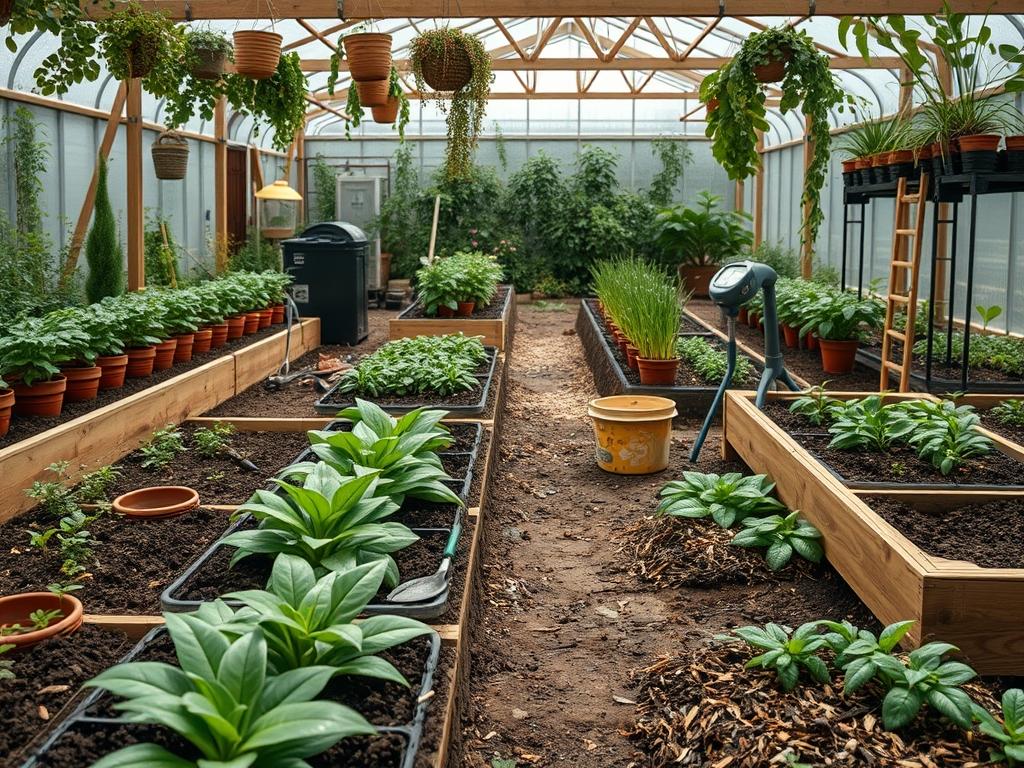
Efficiency in high-end landscaping is often a matter of logistics rather than just aesthetics. Many property owners spend thousands of dollars on Blue Spruce specimens or intricate Limestone pathways, only to have the project’s long term health falter due to poor maintenance habits. A primary culprit in this degradation is the loss of momentum caused by misplaced equipment. Professional landscapes require precision, and precision requires the right tool at the right time. Implementing a system for Smart Garden Tool Tracking is no longer a luxury for the tech-savvy gardener; it is a fundamental requirement for maintaining curb appeal and ensuring the longevity of a complex outdoor environment. When we design these spaces, we consider the workflow of the person tending the soil. If a Pruning Shear or a Soil Moisture Meter goes missing in a three acre estate, the resulting delay can mean the difference between catching a pest infestation early and losing a mature Japanese Maples to neglect.
Integrating technology into the gardening shed serves the dual purpose of protecting your investment and streamlining the physical labor of landscape management. Using Bluetooth tags or RFID identifiers on high value items ensures that expensive Gas Powered Hedgers and Post Hole Diggers are never left out to rust in the rain. This level of organization mirrors the discipline required for professional landscape design. We look at the outdoor environment as a series of interconnected systems where irrigation, drainage, and plant health must coexist. By optimizing the “tool to hand” ratio through Smart Garden Tool Tracking, a homeowner ensures that the site remains a functional sanctuary rather than a chaotic chore.
Landscape Design Principles
Professional landscape architecture relies on six core pillars to create a cohesive environment. Symmetry and balance are the most immediate visual indicators of a well planned space. Whether using formal Boxwood hedging to create a mirrored entry or an asymmetrical arrangement of Boulders to mimic a natural mountain slope, the weight of the objects must feel intentional. We often use the “Rule of Three” when grouping plants, varying the height and texture to prevent visual stagnation. Focal points, such as a large Tiered Fountain or a specimen Weeping Cherry, provide the eye with a place to rest, preventing the landscape from feeling cluttered or overwhelming.
Elevation layers allow a designer to manipulate the perception of space. By using Retaining Walls built from Natural Ledgerock, we create different planes of interest that suggest depth even in smaller urban lots. These layers must be supported by invisible infrastructure. Irrigation planning must occur before the first shovel hits the dirt. Without a dedicated zone system that accounts for the varying needs of Succulents versus Ferns, the most beautiful design will eventually fail. Smart Garden Tool Tracking plays a role even here; keeping track of the specific Hex Keys or Adjustment Tools needed for irrigation heads ensures that the system is always tuned to the current weather demands. Finally, walkways provide the skeletal structure of the garden, guiding movement and protecting the root zones of nearby plants from soil compaction.
Plant and Material Selection
| Plant Type | Sun Exposure | Soil Needs | Water Demand | Growth Speed | Maintenance Level |
| :— | :— | :— | :— | :— | :— |
| Evergreen Shrub | Full Sun to Part Shade | Well-Drained Loam | Moderate | Medium | Low |
| Ornamental Grass | Full Sun | Sandy or Rocky | Low | Fast | Minimal |
| Perennial Flower | Part Sun | Rich Organic Matter | High | Fast | Moderate |
| Groundcover | Deep Shade | Moist/Humus | Medium | Slow | Low |
| Deciduous Tree | Full Sun | Deep Clay or Loam | Moderate | Slow | High |
| Native Wildflower| Full Sun | Poor to Average | Very Low | Fast | Minimal |
Implementation Strategy
The transition from a blueprint to a physical garden requires a disciplined sequence of events. First, the site must be graded to ensure that internal Drainage flows away from the home’s foundation. This often involves the installation of French Drains or Catch Basins hidden beneath the turf. Once the grade is established, hardscaping elements like Paver Patios and Natural Stone Steps are installed. These provide the “hard” lines that define the garden’s shape. Smart Garden Tool Tracking is vital during this phase; specialized tools like Levels, Rubber Mallets, and String Lines are easily buried under piles of Fill Dirt or Gravel if not tracked properly.
Edging is the next critical step. We recommend using 14-Gauge Steel Edging or Heavy-Duty Composite to create a crisp transition between garden beds and the lawn. This prevents the grass from migrating into the Double Shredded Bark Mulch. When planting, ensure that the hole is twice as wide as the root ball but no deeper than the original container. Over-mulching is a common mistake; a maximum 3-inch Mulch Depth is sufficient to retain moisture without suffocating the roots. This layer acts as a protective blanket, suppressing weeds and regulating soil temperature throughout the seasons.
Common Landscaping Failures
The most frequent failure we encounter in the field is improper drainage. When water pools on a lawn, it creates anaerobic conditions that kill the beneficial bacteria in the soil and lead to root rot. This is often caused by a lack of proper pitch or the failure to account for runoff from the roof’s gutter system. Another common issue is root overcrowding. It is tempting to plant a garden for “instant impact,” but placing a Leyland Cypress too close to a Stone Retaining Wall will eventually lead to structural cracks as the root system expands.
Irrigation inefficiencies also rank high on the list of failures. Many homeowners over-water their lawns while under-watering their trees. A Drip Irrigation System is far more effective for garden beds than traditional spray heads, as it delivers water directly to the base of the plant. Soil compaction, often caused by heavy foot traffic or the use of heavy machinery during construction, prevents oxygen from reaching the roots. To fix this, a Core Aerator should be used annually to break up the surface tension. Losing an Aerator Tine or an Irrigation Pressure Gauge can stall these critical fixes, highlighting once again why Smart Garden Tool Tracking is a necessity for the proactive property manager.
Seasonal Maintenance
Landscape management is a year-long commitment that changes with the tilt of the earth. In the spring, the focus is on renewal. This involves removing winter debris, applying a Pre-emergent Herbicide, and sharpening the blades of your Lawn Mower. It is the ideal time to check your Smart Garden Tool Tracking database to ensure all equipment survived the winter storage and is ready for the high-growth season. Summer maintenance is primarily about hydration and pest control. Monitoring for Aphids or Spider Mites requires a keen eye and a steady hand with a Pressure Sprayer.
As autumn arrives, the strategy shifts to preparation. This is the period for “putting the garden to bed.” Hard pruning of Perennials, planting Spring Bulbs, and applying a Winterizer Fertilizer help the plants survive the coming frost. It is also the time to blow out irrigation lines to prevent pipe bursts. In winter, maintenance moves indoors. You should clean, oil, and recalibrate your Loppers and Saws. Using the winter months to upgrade your Smart Garden Tool Tracking system ensures that when the first thaw happens, you are not wasting time searching for the Trowel you last saw in October.
Professional Landscaping FAQ
How can I effectively track my garden tools?
Attach Bluetooth Trackers to high-value items and use a dedicated mobile app to monitor their location. For smaller hand tools, implement a Color-Coded Tool Board in the shed to see instantly if a Hand Cultivator is missing.
What is the best mulch for weed suppression?
A thick layer of Hardwood Bark Mulch or Pine Bark Nuggets is ideal. Ensure you maintain a 3-inch depth and avoid piling it against the trunks of trees, which can cause bark rot and pest infestations.
How do I fix poor soil drainage?
Install a French Drain using Perforated PVC Pipe and Clean Gravel. You may also need to incorporate Organic Compost or Sand into the soil to improve its porosity and allow water to move more freely.
Why are native plants preferred for landscaping?
Native Plants are adapted to the specific climate and soil conditions of your region. They require less Supplemental Irrigation, fewer Pesticides, and provide essential habitats for local pollinators like Honeybees and Butterflies.
When is the best time to prune shrubs?
Most Deciduous Shrubs should be pruned in late winter or early spring before new growth begins. However, spring-flowering plants like Lilacs should be pruned immediately after their blooms fade to avoid cutting off next year’s flower buds.