
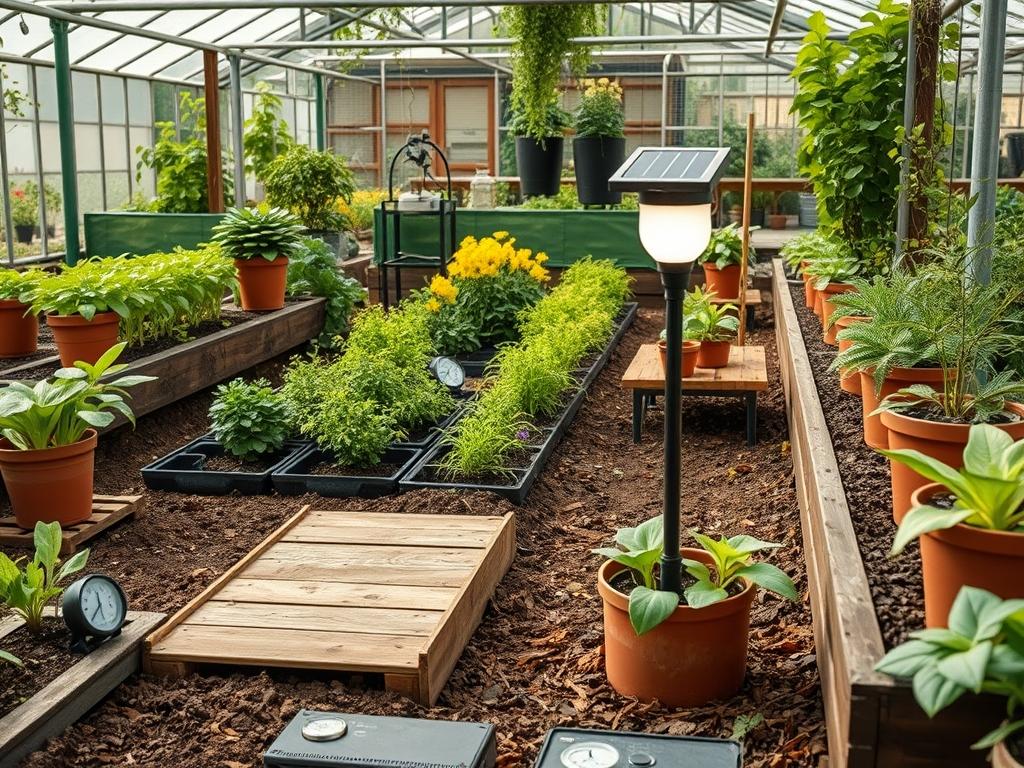
The transition from a functional outdoor space to a sophisticated evening retreat often depends on a single critical element: the lighting. In modern landscape architecture, the integration of solar powered deck lighting has shifted from a convenience to a primary design strategy. This evolution is driven by significant advancements in photovoltaic efficiency and the desire for sustainable, low impact installations. Homeowners and designers must consider how light interacts with architectural features, the surrounding softscape, and the specific climate of the region. A deck is no longer just a wooden platform; it is a transitional zone between the controlled interior environment and the wilder elements of the backyard. Effective lighting ensures this zone remains safe, navigable, and aesthetically pleasing long after the sun sets. By utilizing solar energy, we bypass the need for invasive trenching and complex high voltage wiring, which preserves the integrity of existing root systems and maintains the untouched quality of a mature landscape.
When planning an outdoor environment, the designer must weigh curb appeal against practical functionality. Modern solar powered deck lighting serves both masters by highlighting structural lines while providing essential visibility for stairs and elevation changes. In areas with high humidity or heavy seasonal rainfall, the choice of materials is vital. Fixtures must be rated for moisture resistance, typically achieving an IP65 or higher rating, to prevent internal corrosion of the lithium-ion batteries. Furthermore, the orientation of the deck relative to the southern sky dictates the type of solar technology required. For north facing properties, remote solar panels connected by thin, low profile wires may be necessary to capture adequate sunlight, ensuring the LEDs provide a consistent 3000K warm white glow throughout the night.
Landscape Design Principles
Symmetry and balance form the foundation of any professional lighting plan. When installing solar powered deck lighting, one must view the deck as a series of elevation layers. The primary layer consists of post cap lights, which provide ambient illumination at eye level. These fixtures define the perimeter and Create a sense of enclosure. To maintain visual balance, these should be spaced evenly, usually every 6 feet to 8 feet, depending on the lumen output. If the spacing is too wide, the deck feels fragmented; if it is too tight, the space becomes over-saturated and loses its intimate atmosphere.
Focal points are equally important in garden planning. A well placed solar spotlight can draw attention to a specimen tree or a stone water feature, pulling the eye away from the deck and into the depth of the property. This prevents the “black hole” effect, where the deck is brightly lit but the surrounding yard becomes an impenetrable wall of darkness. We also consider walkways as conduits of movement. Low profile solar path lights should lead the guest from the deck’s egress point toward the secondary garden features. This creates a cohesive narrative across the entire plot. Finally, irrigation planning must be synchronized with lighting placement. Water should never be directed toward solar sensors or charging panels, as mineral buildup from hard water can occlude the surface, reducing charging efficiency over time.
Plant and Material Selection
The relationship between hardscaping and softscaping is symbiotic. Choosing the right plants to surround a deck will enhance the lighting effects and provide a lush backdrop for nocturnal gatherings. The following table outlines optimal species and materials for a modern deck perimeter.
| Plant Type | Sun Exposure | Soil Needs | Water Demand | Growth Speed | Maintenance Level |
| :— | :— | :— | :— | :— | :— |
| Buxus sempervirens | Full Sun to Shade | Well-Drained | Moderate | Slow | Low |
| Lavandula angustifolia | Full Sun | Sandy/Gravelly | Low | Medium | Low |
| Hosta | Partial to Deep Shade | Loamy/Organic | High | Medium | Moderate |
| Miscanthus sinensis | Full Sun | Adaptable | Low | Fast | Low |
| Hydrangea macrophylla | Partial Shade | Rich/Moist | High | Fast | Moderate |
| Pachysandra terminalis | Deep Shade | Acidic/Moist | Moderate | Medium | Very Low |
In addition to plant life, the materials used for the surrounding beds affect light reflection. Black cedar mulch provides a dark, high-contrast base that makes the deck’s glow pop, while crushed limestone or pea gravel will reflect light upward, subtly brightening the underside of the deck railings and the lower foliage of plants.
Implementation Strategy
The successful installation of solar powered deck lighting begins with a precise site analysis and layout plan. First, evaluate the grading around the deck. The ground must slope away from the foundation at a rate of at least 1 inch per foot for the first 10 feet. This prevents water from pooling around the deck posts where solar stake lights might be embedded. Once the grade is established, use a measuring tape and chalk line to mark the exact center of each post where cap lights will be installed.
Next, address the edging. Proper steel or heavy duty plastic edging should be installed to separate the deck’s base from the surrounding turf. This prevents grass and weeds from encroaching onto the lighting fixtures. Under the deck boards, a layer of landscape fabric topped with 3 inches of river rock is recommended. This inhibits weed growth and provides excellent drainage, protecting any integrated solar wiring or sensors located near the ground level.
For the lighting itself, start with the stairs. Recessed solar step lights should be installed into the risers using a 1-inch drill bit or the manufacturer’s specified hole saw. Ensure the solar collector is not shadowed by the tread above. After the stairs, move to the perimeter railings. If using clip-on or screw-mount accent lights, place them on the underside of the top rail to create a “down-washing” effect. This minimizes glare and focuses the light where it is needed for safety. For the final touch, apply organic mulch around the base of the deck to a depth of 2 to 3 inches, ensuring it does not touch the base of any solar stake lights to avoid moisture retention against the plastic housing.
Common Landscaping Failures
The most frequent mistake in solar lighting integration is the “shaded sensor” trap. Designers often plant fast growing species like Miscanthus sinensis too close to solar panels. Within one season, the foliage overtakes the sensor, rendering the light useless. Proper spacing is essential; always research the mature width of a plant before digging. Another common failure is improper drainage near the deck’s foundation. If the soil becomes compacted, water will sit around the deck joists and the base of solar fixtures, leading to premature battery failure and wood rot.
Root overcrowding is another silent killer of both plants and structures. Planting large shrubs or trees too close to the deck can result in roots lifting the deck footings or interfering with the level of the boards. In turn, this throws off the alignment of the solar post caps, creating an amateurish, crooked appearance. Additionally, many homeowners ignore irrigation inefficiencies. If a sprinkler head is misaligned, it may douse a solar light every morning. Even if the light is waterproof, the constant pressure and mineral deposits will eventually degrade the seal and the clarity of the lens.
Seasonal Maintenance
Landscape management is a year round commitment. In the spring, the primary task is cleaning. Use a soft, damp cloth to wipe away pollen and dust from every solar panel. This can increase charging efficiency by up to 20 percent. Inspect the deck boards for any warping that might have loosened lighting mounts during the winter freezes.
Summer maintenance focuses on pruning. Ensure that any overhanging branches or tall perennials are trimmed back to allow a minimum of 6 hours of unobstructed sunlight to hit the solar collectors. During autumn, clearing fallen leaves is vital. Damp leaves sitting on top of deck lights can cause staining on the wood and block the sensors, causing the lights to trigger too early or not at all.
Winter represents the harshest challenge. In regions with snow, use a soft brush to clear the panels after every storm. Rapid temperature fluctuations can cause the soil to heave, which may displace solar stake lights along the garden perimeter. Check the stability of these fixtures in late winter. If the lights will be under several feet of snow for months, it is often best to remove the internal batteries and store the units indoors until the spring thaw to prolong the life of the lithium cells.
Professional Landscaping FAQ
How do I choose the best location for solar deck lights?
Select areas receiving at least six hours of direct sunlight. Ensure sensors are not beneath deep eaves or dense tree canopies. Prioritize stairs, changes in elevation, and the deck perimeter to ensure both safety and a defined architectural silhouette.
Will solar lights work during a cloudy week?
Most modern solar powered deck lighting includes large capacity batteries that store enough energy for two to three nights. However, brightness will decrease following consecutive overcast days as the battery fails to reach a full state of charge.
What brightness level is ideal for deck lighting?
For ambient post caps, 10 to 15 lumens is sufficient. For task oriented areas like stairs or grilling stations, look for fixtures providing 30 to 50 lumens. Avoid excessively high wattage to prevent light pollution and harsh glares.
How long do the batteries in solar lights typically last?
High quality lithium-ion or LiFePO4 batteries generally last between two and three years. When the light duration significantly shortens despite sunny weather, it is time to replace the internal cells with equivalent rechargeable units to maintain performance.
Can I install solar lights on a north-facing deck?
Yes, but you should utilize fixtures with detached, adjustable solar panels. This allows you to mount the light in the shade while placing the charging panel on a sunny roofline or a nearby pole with a clear southern exposure.