
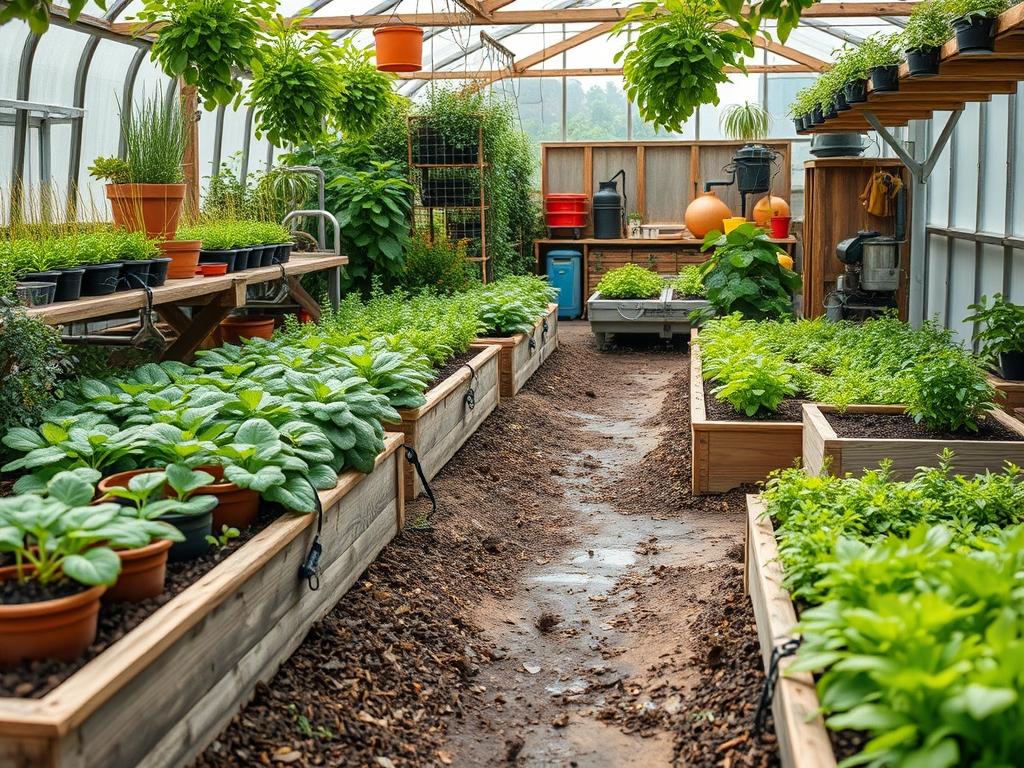
Effective landscape architecture demands more than just aesthetic intuition; it requires a rigorous understanding of site hydrology and the metabolic needs of various plant species. Smart Irrigation Mapping has emerged as the gold standard for high performance outdoor environments. By moving away from rudimentary timers toward sensor based precision, we can significantly enhance curb appeal while reducing water waste. Property owners often struggle with oversaturation in low lying areas or dehydration on sun exposed slopes. These issues are rarely solved by simply adding more water. Instead, the solution lies in the precise spatial organization of water delivery systems based on topographic data and horticultural requirements. This methodical approach ensures that every gallon contributes to the long term health of the environment, creating a resilient landscape that thrives despite climatic fluctuations.
Landscape Design Principles
Professional landscaping begins with the principle of hydrozoning, which is the practice of grouping plants with similar water, soil, and light requirements into specific irrigation zones. This prevents the common error of overwatering drought tolerant species while underwatering thirstier specimens in the same bed. Visual balance is achieved by layering plant heights and textures. We often utilize Retaining Walls to manage elevation changes, which not only adds structural interest but also assists in managing water runoff. By terrace grading, we can slow down the velocity of water, allowing it to percolate into the soil rather than eroding the landscape.
Symmetry and focal points dictate the flow of the viewer’s eye. A single Specimen Oak or a dramatic architectural feature serves as an anchor. The irrigation map must account for these focal points individually, as large root balls require deeper, less frequent saturation compared to the shallow root systems of turfgrass. Walkways and hardscaping elements like Pavers or Flagstone must be integrated into the map to ensure that overspray does not cause staining or slippery surfaces. A well planned landscape uses visual layers, from groundcovers to understory shrubs and overhead canopies, to create a sense of immersion and enclosure.
Plant and Material Selection
| Plant Type | Sun Exposure | Soil Needs | Water Demand | Growth Speed | Maintenance Level |
| :— | :— | :— | :— | :— | :— |
| Buxus microphylla | Partial Shade | Loamy, Well Drained | Moderate | Slow | Medium |
| Lavandula angustifolia | Full Sun | Sandy, Gritty | Low | Fast | Low |
| Acer palmatum | Dappled Sun | Rich, Acidic | High | Slow | High |
| Festuca glauca | Full Sun | Poor to Average | Very Low | Moderate | Low |
| Hydrangea macrophylla | Shade | Moist, Fertile | High | Fast | Medium |
| Agave attenuata | Full Sun | Rocky, Dry | Minimal | Slow | Very Low |
Implementation Strategy
The process begins with a comprehensive site survey to identify existing drainage patterns and soil composition. Before any planting occurs, we address Grading. Proper sub-grade preparation ensures that water moves away from the foundation of the home and toward designated collection points or rain gardens. Once the land is shaped, we install the primary irrigation headers and lateral lines. Using a Smart Irrigation Controller with Wi-Fi connectivity allows us to pull real time weather data, automatically adjusting run times based on local precipitation and evaporation rates.
After the infrastructure is in place, we define the beds using Steel Edging or Stone Borders. This creates a clean line between the lawn and the planting zones, preventing invasive grass species from encroaching. We then install the plants according to the hydrozone map. Once the plants are in the ground, a layer of Hardwood Mulch at a depth of 3 Inches is applied. This mulch is critical for moisture retention, temperature regulation, and weed suppression. For areas with poor natural drainage, we integrate French Drains or Dry Creek Beds to bypass the root zones of sensitive plants, ensuring that heavy storms do not result in root rot or soil anaerobic conditions.
Common Landscaping Failures
The most frequent failure in residential landscapes is the neglect of soil structure. Soil compaction, often caused by heavy machinery during construction, prevents oxygen and water from reaching root systems. Without proper aeration, even the most advanced irrigation system cannot save a plant from suffocating. Another common mistake is improper spacing. High density planting may look full on day one, but within three years, the lack of airflow leads to fungal outbreaks and stunted growth.
Irrigation inefficiencies often stem from mismatched hardware. Mixing high pressure Rotary Nozzles with low pressure Mist Sprayers on the same valve results in uneven coverage and mechanical wear. Furthermore, failing to account for the “rain shadow” effect near tall walls or under thick evergreen canopies can leave specific areas perpetually dry. Finally, many designers overlook the long term impact of root systems on hardscaping. Planting a large tree too close to a Retaining Wall or a driveway will eventually lead to structural cracking and costly repairs as the roots expand in search of moisture.
Seasonal Maintenance
Spring is the season for system calibration and soil preparation. We begin by flushing the irrigation lines to remove any sediment that accumulated during the winter. This is also the time to apply a Slow Release Fertilizer and refresh the Mulch layers. We inspect every nozzle for clogs and adjust the spray patterns to account for new plant growth that may be blocking the water path.
Summer maintenance focuses on stress management. During peak heat, we monitor the Smart Controller to ensure that deep soak cycles are occurring during the early morning hours, typically between 4:00 AM and 7:00 AM. This timing minimizes evaporation and allows the foliage to dry before sunset, which reduces the risk of disease.
Autumn involves preparing the landscape for dormancy. We reduce watering frequency as temperatures drop and plant metabolism slows down. This is the ideal window for aeration and overseeding of turf areas. We also prune any dead or damaged wood from trees to prevent ice damage later in the year.
Winter is primarily about protection. In colder climates, we perform a full irrigation blow-out using an Air Compressor to prevent pipes from bursting. For delicate perennials, we may add an extra layer of Pine Straw for insulation. It is a period of rest for the garden, but also a time for the architect to review the performance data from the previous year and plan for any necessary adjustments to the mapping.
Professional Landscaping FAQ
How does smart irrigation differ from traditional timers?
Traditional timers operate on fixed schedules regardless of weather. Smart systems use Soil Moisture Sensors and atmospheric data to deliver water only when needed. This precision prevents overwatering, saves money, and promotes deeper, healthier root structures throughout the property.
What is the best way to handle steep slopes?
Slopes require a combination of Terracing and low flow drip irrigation. By breaking the incline with Retaining Walls, you reduce runoff. Using Pressure Compensating Emitters ensures that plants at the top receive the same water volume as those at the bottom.
Why is mulch depth so specific at three inches?
A 3 Inch layer is the ideal balance for the landscape. It is thick enough to suppress weed germination and retain significant soil moisture. However, it is thin enough to allow crucial oxygen exchange between the soil and the atmosphere.
Can I mix different plant types in one zone?
You should only mix plants with identical environmental needs. Placing a Succulent in the same irrigation zone as a Hydrangea will inevitably lead to the death of one species. Grouping by water demand is the core of zone efficiency.
How do I identify a drainage problem before planting?
Perform a simple percolation test. Dig a hole 12 Inches deep and fill it with water. If it takes longer than four hours to drain, you have heavy clay or compaction issues. This requires Soil Amendments or mechanical drainage solutions.