
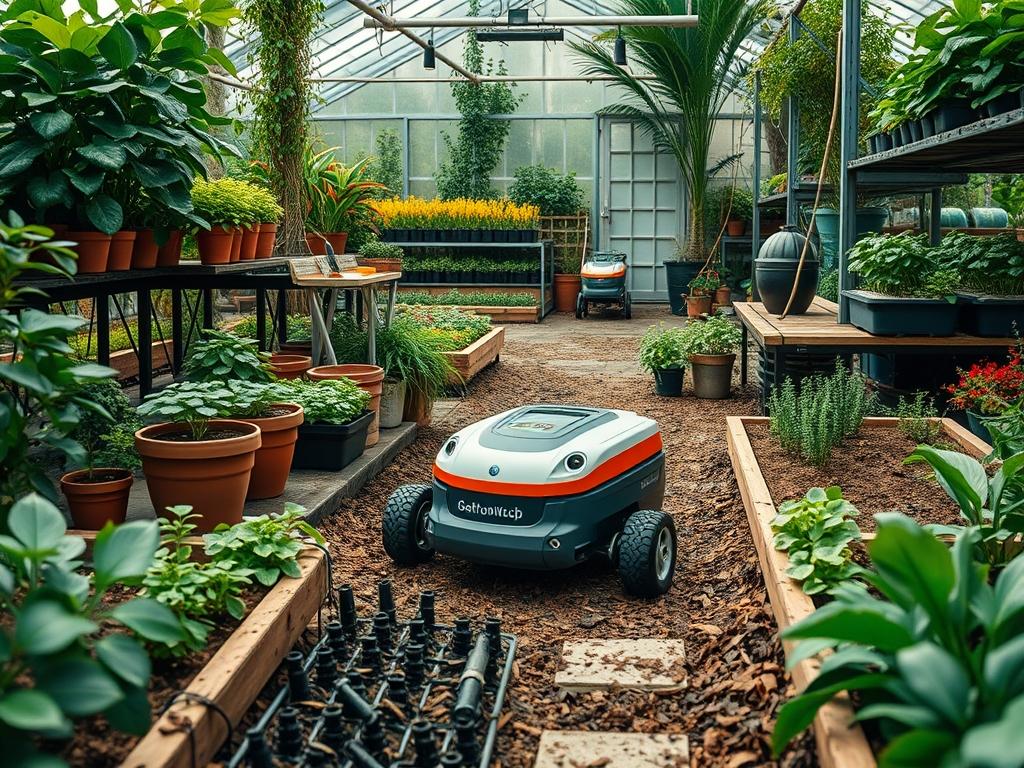
The dream of a maintenance free outdoor space has long been the primary objective for homeowners seeking to maximize curb appeal without the grueling weekend labor. Automated garden cleanup is no longer a concept limited to science fiction; it is a burgeoning reality within the modern residential landscape. However, the transition from manual labor to a technology driven ecosystem requires more than just purchasing a robotic mower or a smart irrigation controller. It demands a fundamental shift in how we approach landscape architecture and site preparation. A poorly designed garden acts as a series of obstacles for automated tools, whereas a thoughtfully planned environment allows technology to function at peak efficiency. Understanding the synergy between botanical growth, environmental stressors, and mechanical automation is the key to maintaining a pristine exterior.
The landscape is a living, breathing entity that reacts to climate shifts, soil health, and local pests. In regions with high humidity, fungal growth and rapid weed propagation can overwhelm a garden in days. In dryer climates, the accumulation of dust and dead organic matter poses a different challenge. Curb appeal is essentially the visual manifestation of a well managed ecosystem. When the cleanup process is automated, the goal is to sustain this aesthetic cohesion without constant human intervention. This requires a professional approach to site grading, material selection, and pathing. If the foundation of the garden is flawed, the technology will inevitably fail to deliver on its promise of a labor free sanctuary.
Landscape Design Principles
Effective automated cleanup begins with the core principles of landscape design, primarily centering on symmetry and spatial logic. Symmetry allows for predictable movement patterns for robotic devices, reducing the likelihood of the machinery becoming trapped in complex corners or dense undergrowth. When we design for automation, we prioritize clear boundaries and open transitions. Focal points, such as a specimen tree or a sculptural hardscape element, should be surrounded by wide, navigable clearings. This ensures that leaf debris or grass clippings are easily accessible to automated collection systems.
Elevation layers play a significant role in how debris accumulates and how easily it can be managed. By using retaining walls to create distinct tiers, a landscape architect can dictate the flow of water and the movement of organic matter. These tiers act as natural catchments, preventing the entire property from becoming a chaotic collection point for windblown leaves. Furthermore, irrigation planning must be integrated into the physical layout. Smart systems now use local weather data to adjust water flow, but if the elevation is not graded correctly, even the most advanced sensors cannot prevent stagnant pools of water. Visual balance is achieved when these functional elements, like drainage grates and irrigation heads, are strategically hidden within the structural design of the garden.
Walkways should be constructed with flush transitions to allow equipment to move between zones without human assistance. A 4 inch concrete edge or a heavy duty steel border serves as a navigational guide and prevents turf from encroaching into flower beds. This physical separation is vital for sensor accuracy. When the landscape design respects the limitations of current technology, the result is a seamless blend of natural beauty and mechanical precision.
Plant and Material Selection
| Plant Type | Sun Exposure | Soil Needs | Water Demand | Growth Speed | Maintenance Level |
| :— | :— | :— | :— | :— | :— |
| Dwarf Boxwood | Full Sun to Part Shade | Well Drained Loam | Moderate | Slow | Low |
| Russian Sage | Full Sun | Dry, Sandy Soil | Low | Fast | Minimal |
| Switchgrass | Full Sun | Adaptable | Low to Moderate | Moderate | Seasonal Cutback |
| Hostas | Partial to Full Shade | Moist, Rich Soil | Moderate | Moderate | Seasonal Cleaning |
| Creeping Thyme | Full Sun | Gritty, Poor Soil | Low | Moderate | Very Low |
| Blue Star Creeper | Sun to Part Shade | Moist, Fertile | Moderate | Fast | Minimal |
Implementation Strategy
Implementing an automated garden layout requires a meticulous step by step approach. The process starts with the grading of the terrain. A professional grade ensures that water moves away from the foundation of the home and toward designated swales or French drains. Even a slight deviation in the slope can cause automated mowers to lose traction or sensor orientation. Once the grade is established, the next priority is defining the edges. Installing concrete curbing or integrated brick borders provides a hard stop for automated tools and prevents mulch migration.
Mulch selection is equally critical. For automated cleanup systems, homeowners should avoid lightweight wood chips that can be easily blown or washed into the turf. Instead, use a 3 inch layer of double shredded hardwood mulch or river rock. These materials stay in place and provide a stable surface for the garden. Hardscaping elements, such as paver patios or stone walkways, should be installed with narrow joints to minimize weed growth that automated blowers cannot reach. Finally, the installation of smart sensors for moisture monitoring and robotic docking stations should be discreetly located near power sources but away from high traffic footpaths to ensure longevity and consistent performance.
Common Landscaping Failures
The most common failure in modern landscaping is the neglect of proper drainage. When water is allowed to pool, it creates a mud slurry that fouls the internal components of automated machinery and drowns the root systems of expensive ornamental plants. Soil compaction is another frequent issue. If the same path is traversed repeatedly by equipment or foot traffic, the soil loses its porosity, leading to poor oxygen exchange at the root level. This often happens around docking stations that are not properly reinforced with permeable pavers or gravel mats.
Root overcrowding is a biological failure that often stems from a desire for instant privacy. Planting conifers or privacy hedges too close together leads to competition for nutrients and eventually causes dead zones within the foliage. These dead areas shed massive amounts of dry needles or leaves, clogging automated intake systems. Improper spacing between the garden beds and hardscape also prevents robotic tools from cleaning the perimeter effectively. Furthermore, irrigation inefficiencies, such as misaligned sprinkler heads that spray directly onto stone walls or windows, lead to mineral staining and unnecessary water waste.
Seasonal Maintenance
Seasonal management is the bridge between automated assistance and long term landscape health. In the spring, the focus should be on calibrating sensors and checking for any structural shifts caused by winter frost heaves. This is the time to apply a pre emergent herbicide and ensure that the irrigation lines are free of leaks. Summer maintenance revolves around water management and ensuring that mower blades remain sharp. Dull blades tear the grass rather than cutting it, which stresses the lawn and makes it more susceptible to disease.
When autumn arrives, the volume of automated cleanup increases exponentially. This is when leaf management systems are put to the test. It is essential to clear heavy branch debris manually so that smaller automated vacuums or blowers can handle the foliage. Winter is the season for equipment storage and hardscape inspection. This is a critical time to salt walkways with pet safe melting agents that do not corrode the sensors of your automated fleet. By following a seasonal schedule, the homeowner ensures that the technology remains a tool for convenience rather than a source of constant repair.
Professional Landscaping FAQ
How does automated cleanup improve curb appeal?
Automation ensures that debris is managed daily rather than weekly. This consistency prevents the accumulation of leaves and clippings, keeping the lines of the landscape sharp and the overall aesthetic consistently polished for visitors and neighbors.
Will robotic mowers work on steep slopes?
Most residential units manage inclines up to 20 degrees. For steeper terrain, professional landscape grading or the installation of retaining walls is required to create a level of operation that suits the limitations of the machinery.
Is smart irrigation worth the initial investment?
Yes, because smart controllers use real time weather data to prevent overwatering. This saves money on utility bills and prevents the fungal diseases that typically thrive in the over saturated soil conditions found in manually timed systems.
Does automated cleanup work for all plant types?
Technology is most effective with low maintenance perennials and ornamental grasses. Plants that drop large fruits, heavy sticks, or thick pods may still require manual intervention, as these can jam most consumer grade automated vacuums.
How do I protect my equipment from the weather?
Install a dedicated weatherproof docking station or a small landscape “garage.” Protecting the electronics from direct UV exposure and heavy rainfall will extend the lifespan of your automated tools by several years.