
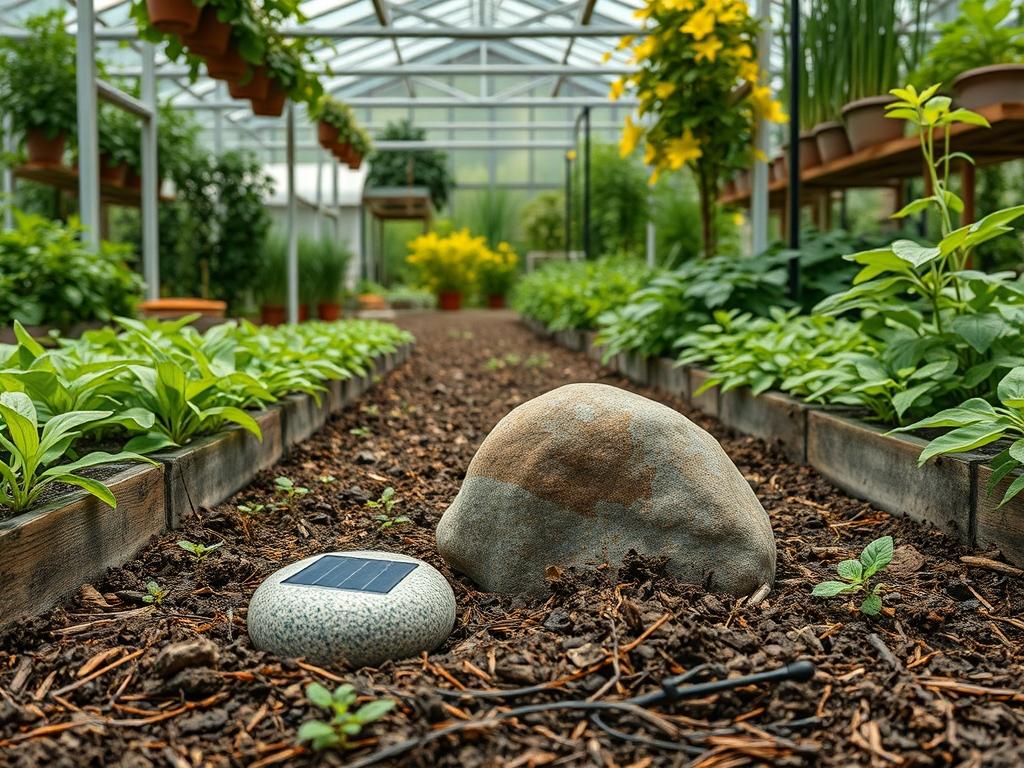
Designing a sustainable aquatic ecosystem within a high end residential landscape requires more than just an aesthetic eye; it demands a deep understanding of fluid dynamics and biological oxygen demand. When a water feature exceeds a depth of 4 feet, it undergoes a process known as thermal stratification. This creates a distinct layer of stagnant, oxygen depleted water at the bottom, which can compromise the health of both flora and fauna. To address this, Solar Powered Air Stones have emerged as a critical tool for landscape architects aiming to maintain water clarity and ecological balance without the intrusive infrastructure of traditional electrical grid connections. By utilizing solar energy, we can integrate high efficiency aeration into remote or expansive estates where trenching for 120-volt lines would be cost prohibitive or disruptive to existing Root Zones. This approach not only enhances the curb appeal through crystal clear water but also aligns with the modern push for off grid, low impact outdoor engineering.
Landscape Design Principles
Successful pond integration begins with the principle of visual balance and functional focal points. A deep pond should act as the anchor of the backyard, drawing the eye toward the movement of the water. When incorporating Solar Powered Air Stones, the placement of the solar array itself becomes a design challenge. We strive for symmetry between the water surface and the surrounding hardscape. If a pond is situated at a low point in the topography to capture natural runoff, the solar collectors must be positioned on a nearby southern facing slope or an elevated Retaining Wall to ensure maximum irradiance.
Elevation layers play a vital role in how we perceive the water feature. By utilizing Fieldstone or River Rock to create tiered shelves within the pond, we can hide the Weighted Air Tubing while providing varied depths for aquatic life. Visual balance is further achieved by mirroring the circular ripples created by the aeration with curved Walkways or rounded Flagstone patios. This repetition of form creates a cohesive environment. Furthermore, the positioning of the air stones should be centralized in the deepest part of the basin to maximize the “chimney effect,” where rising bubbles pull nutrient dense, deoxygenated water from the bottom to the surface for gas exchange.
Irrigation planning must also account for the pond as a reservoir. If the landscape uses the pond for secondary irrigation, the oxygen levels provided by Solar Powered Air Stones are vital. High oxygen content prevents the buildup of anaerobic bacteria, which can produce foul odors and harmful gases like hydrogen sulfide. A well aerated pond serves as a healthy source for an auxiliary Drip Irrigation system, ensuring that the water delivered to the surrounding garden beds is rich in beneficial microbes and free of stagnancy.
Plant and Material Selection
The following table outlines the essential components and greenery required to support a deep pond ecosystem utilizing solar aeration.
| Plant or Material Type | Sun Exposure | Soil Needs | Water Demand | Growth Speed | Maintenance Level |
| :— | :— | :— | :— | :— | :— |
| Water Lily | Full Sun | Heavy Clay | Aquatic | Moderate | Low |
| Pickered Weed | Full Sun to Part Shade | Loamy Mud | High/Emergent | Fast | Medium |
| Creeping Jenny | Part Sun | Well Draining | High | Very Fast | High |
| Monocrystalline Solar Panel | Max Irradiance | N/A | None | N/A | Low |
| Porous Ceramic Air Stone | N/A | N/A | Submerged | N/A | Medium |
| Japanese Maple | Filtered Sun | Acidic/Rich | Moderate | Slow | Medium |
Implementation Strategy
The execution of a deep pond layout begins with meticulous grading. Before a single drop of water is added, the surrounding terrain must be sloped at a 2 percent grade away from the pond perimeter to prevent contaminated surface runoff from entering the system. Once the excavation reaches the desired depth of 5 to 8 feet, a high quality EPDM Pond Liner is installed, followed by a secondary layer of Geotextile Fabric for puncture protection.
The installation of the Solar Powered Air Stones occurs during the mid-stage of implementation. Designers should specify a 1/2 inch Weighted Airline to ensure the tubing sinks to the bottom without the need for unsightly bricks or ties. The air stone should be placed on a flat Slate pedestal to prevent it from sucking in silt or debris from the pond floor. Above ground, the solar panel is mounted on a 3 inch Steel Post and angled at roughly 35 degrees to capture the peak solar window. This mounting system should be screened by mid-sized shrubs like Dwarf Boxwoods to hide the mechanical components from the primary viewing angles of the home.
Edging and mulch placement follow the mechanical installation. We recommend a 4 inch layer of Screened River Pebble along the pond’s edge to stabilize the soil and provide a transition to the land. Beyond the stone, a 3 inch depth of Double Shredded Hardwood Mulch should be applied to the garden beds to retain moisture for terrestrial plants. This layering technique ensures that the pond feels like a natural extension of the landscape rather than an artificial addition.
Common Landscaping Failures
The most frequent error in deep pond management is neglecting oxygen distribution, leading to a “dead zone” in the bottom 2 feet of water. Without Solar Powered Air Stones, the water remains thermally stratified; the top remains warm and oxygenated while the bottom becomes a cold, toxic environment. Another common failure is poor drainage planning. If the grading is incorrect, heavy rains can wash Nitrogen rich mulch and fertilizers directly into the pond, triggering massive algae blooms that even the best aeration cannot fully mitigate.
Root overcrowding is another significant oversight. Planting aggressive species such as Cattails without root barriers can lead to the liner being compromised or the pond being overtaken by biomass within three seasons. Similarly, improper spacing between large trees like Willows and the pond edge can lead to excessive leaf litter, which decays and increases the biological oxygen demand. If the aeration system is undersized for the volume of the pond, the decomposition of this organic matter will quickly outpace the oxygen supply, leading to fish kills and murky water.
Seasonal Maintenance
Landscape management varies significantly across the calendar. In the spring, the primary focus is on cleaning the Solar Panel surfaces with a soft cloth and Deionized Water to ensure maximum energy conversion as the sun returns to a higher arc. This is also the time to inspect the Air Stones for calcium buildup or algae clogging. A quick soak in a mild citric acid solution can restore the porosity of the ceramic.
During the summer month, evaporation becomes the primary concern. The aeration system must run at peak efficiency to counteract the decreased oxygen holding capacity of warm water. In autumn, the priority shifts to debris management. Installing a Polyethylene Pond Netting over the surface can prevent falling leaves from overwhelming the system. Finally, in the winter, the Solar Powered Air Stones serve a crucial role in gas exchange if the surface freezes. By keeping a small hole open in the ice through constant bubble agitation, harmful gases can escape, allowing aquatic life to survive the dormancy period.
Professional Landscaping FAQ
How many air stones are required for a 10,000 gallon pond?
For a pond of this volume, we typically recommend two high output Solar Powered Air Stones. Placement should be at opposite ends of the deepest channel to ensure total vertical mixing and prevent stagnant pockets from forming in the corners.
Can solar aeration systems run at night?
Standard solar kits operate only during daylight hours. However, professional grade systems often include a Deep Cycle Battery Bank that stores excess energy collected during the day. This allows the compressor to maintain oxygenation throughout the critical pre dawn hours.
What is the life expectancy of a solar air compressor?
A high quality Brushless DC Compressor generally lasts between 5 and 7 years with minimal maintenance. Replacing the internal diaphragms every 24 months can extend the motor life and maintain consistent PSI levels for the air stones.
Will aeration help reduce pond muck?
Yes. By delivering oxygen to the Benthic Zone, you stimulate aerobic bacteria that digest organic sludge. This biological process is significantly faster than anaerobic decomposition, leading to a cleaner pond floor and reduced nutrient loading in the water column.
Is it necessary to bury the air lines?
We recommend burying the Weighted Air Tubing at least 6 inches deep when it travels across land. Use a 1 inch PVC Conduit under walkways or high traffic areas to protect the line from compression and lawn mower damage.