
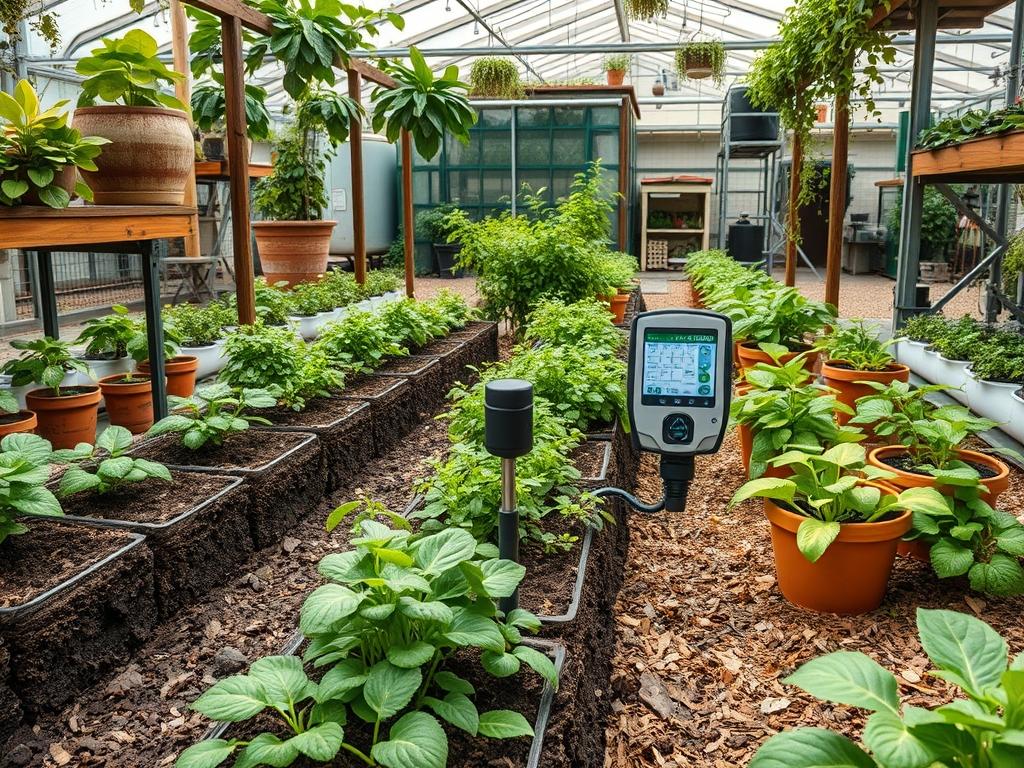
Landscape architecture represents the intersection of biological complexity and structural precision. When designing an outdoor environment, the primary challenge lies in balancing aesthetic desire with the harsh realities of local microclimates and soil conditions. A successful landscape provides more than just curb appeal; it functions as an extension of the home, offering usable space while managing ecological health. Traditionally, this required a high degree of guesswork regarding water retention and nutrient availability. However, the integration of technology, specifically the Smart Garden Sensor Pro, has transformed site management from a reactive practice into a proactive science. By understanding the specific needs of each zone, from the shaded corners near a foundation to the exposed southern slopes, a consultant can ensure that every investment in softscaping and hardscaping yields long term results.
Proper planning begins with a thorough assessment of site topography and environmental stressors. Drainage becomes the most critical factor in this phase, as stagnant water can undermine retaining walls and drown expensive plant specimens. A master plan must account for how water moves across the surface. Professional landscape architects rely on data to dictate where the irrigation lines should be buried and where French drains are necessary. Using a Smart Garden Sensor Pro kit allows for real time monitoring of volumetric water content, which is essential when establishing high value vegetation or managing complex drainage systems. This data driven approach ensures that the design remains functional throughout the life of the garden, preventing the costly degradation often seen in poorly planned environments.
Landscape Design Principles
Successful landscape design rests on the foundational principles of symmetry, focal points, and elevation layering. Symmetry provides a sense of order and formality, often achieved through the use of Boxwood hedges or mirrored standard perennials. This visual balance guides the eye toward specific focal points, such as a custom stone fountain or a singular Japanese Maple. These elements act as anchors for the entire composition, providing a destination for the viewer and a sense of purpose for the space. When these elements are placed correctly, they create a rhythm that transitions seamlessly from one zone to another.
Elevation layering adds depth and interest to otherwise flat parcels. By utilizing modular retaining walls and raised beds, designers can create vertical interest and define distinct use areas. These layers also provide opportunities to solve grade challenges while improving soil drainage. In these elevated sections, monitoring moisture levels becomes more complex due to increased evaporation. The Smart Garden Sensor Pro serves as a vital tool here, providing specific readings for different tiers of the landscape. This allows the designer to adjust drip irrigation schedules to account for the faster drying rates of elevated soil beds.
Visual balance is further refined through the strategic use of texture and color. Coarse foliage should be balanced with fine-textured plants to create contrast. Similarly, the use of hardscaping materials, such as travertine pavers or decomposed granite, should complement the architectural style of the primary residence. Every walkway and terrace must be planned with human scale in mind, ensuring that the transitions between the built environment and the natural landscape feel intuitive. A well-laid flagstone path must lead somewhere meaningful, reinforcing the intentionality of the design.
Plant and Material Selection
Selecting the correct flora is a matter of matching biological requirements with site constraints. The following table provides a template for common selections used in professional environments.
| Plant Type | Sun Exposure | Soil Needs | Water Demand | Growth Speed | Maintenance Level |
| :— | :— | :— | :— | :— | :— |
| Boxwood | Partial Sun | Loamy | Medium | Slow | Moderate |
| Lavender | Full Sun | Well-drained | Low | Moderate | Low |
| Fescue | Partial Shade | Clay/Loam | High | Fast | High |
| Hydrangea | Morning Sun | Rich, Moist | High | Moderate | Moderate |
| Sedum | Full Sun | Sandy/Rocky | Very Low | Fast | Very Low |
| Ornamental Grass | Full Sun | Variable | Low | Moderate | Low |
Materials for hardscaping should be selected for durability and thermal properties. Natural stone remains the gold standard for luxury environments, though porcelain pavers are gaining popularity for their low maintenance and consistent finish. When choosing mulch, organic options like shredded cedar improve soil health over time, while inorganic materials like river rock provide permanent stabilization. The Smart Garden Sensor Pro can buried beneath these layers to monitor how different mulches affect heat retention and moisture loss in the root zone.
Implementation Strategy
The implementation of a professional landscape begins with site preparation and grading. A laser level is utilized to ensure a consistent slope, typically a 1 to 2 percent grade away from any structures to prevent foundation damage. Once the grade is established, the installation of sub-surface infrastructure takes priority. This includes PVC sleeves for future electrical needs and the primary irrigation manifold. Monitoring this stage is crucial, as the installation of Smart Garden Sensor Pro units during the backfilling process allows for accurate baseline readings of soil density and moisture.
Following the infrastructure, hardscaping elements like patios and walkways are installed. The base for these features must be compacted thoroughly using a plate compactor to prevent settling. Once the structural components are in place, the focus shifts to soil amendment. Depending on the test results, the addition of compost, perlite, or peat moss may be necessary to achieve the desired porosity. Using a Smart Garden Sensor Pro during the planting phase ensures that new root balls are receiving sufficient hydration without becoming anaerobic.
Final finishing involves the application of edging and mulch. Steel edging provides the cleanest transition between turf and garden beds, preventing encroachment while maintaining sharp lines. A layer of mulch, ideally 3 inches deep, is applied to suppress weeds and regulate temperature. This final layer protects the investment and provides the finished aesthetic that defines a professional installation.
Common Landscaping Failures
The most frequent failure in high end landscaping is improper drainage, often referred to as the bathtub effect. This occurs when a planting hole is dug into heavy clay soil and filled with light potting mix without providing an escape route for water. The result is a reservoir that rots the root system. Another common error is root overcrowding, where plants are spaced according to their current size rather than their mature spread. This leads to poor air circulation and increased disease susceptibility within five years of installation.
Irrigation inefficiency is a further systemic issue. Many systems are set to a fixed timer that does not account for rainfall or humidity changes. Overwatering not only wastes resources but also leaches nutrients from the soil. By integrating a Smart Garden Sensor Pro, these inefficiencies are eliminated. Digital monitoring allows the system to skip cycles when soil moisture is already at capacity, protecting the plants from fungal infections. Additionally, soil compaction from construction traffic often goes unnoticed until the turf begins to die, highlighting the need for deep aeration prior to final planting.
Seasonal Maintenance
Seasonal care is what separates a maturing landscape from a deteriorating one. In the spring, the focus is on aeration and the application of pre-emergent herbicides to prevent weed germination. This is also the ideal time to check the irrigation emitters for clogs. As temperatures rise in the summer, the Smart Garden Sensor Pro becomes indispensable for managing drought stress. Deep watering sessions should be scheduled in the early morning to minimize evaporation.
Autumn requires a shift toward preparation for dormancy. This includes overseeding cool season grasses and applying a slow release fertilizer to encourage root development before the ground freezes. Perennials should be cut back only after their foliage has died off, allowing nutrients to return to the crown. During winter, the landscape consultant monitors for frost heave and ensuring that evergreens do not succumb to desiccation. Using the Smart Garden Sensor Pro during these months provides data on soil temperature, indicating the perfect window for spring transitions.
Professional Landscaping FAQ
How does soil acidity affect my plant selection?
Soil pH dictates nutrient availability. High acidity can lock out phosphorus, while alkalinity may limit iron. Testing your soil ensures you choose species like Azaleas for acidic areas or Lilacs for more alkaline environments.
What is the benefit of using native plants?
Native plants are adapted to local rainfall patterns and soil types. They require less supplemental water and are resistant to local pests, making them the most sustainable and low maintenance choice for any project.
How deep should my irrigation lines be buried?
Primary lateral lines should be buried at least 8 to 12 inches deep to avoid damage from aeration or shovel strikes. Mainlines carrying constant pressure often require a depth of 18 inches depending on local frost lines.
How can I prevent weeds without using chemicals?
Utilizing a thick 3 inch layer of organic mulch and installing landscape fabric in non-planted areas creates a physical barrier. Dense planting schemes also shade the soil, preventing weed seeds from receiving the light they need to germinate.
When is the best time to install new sod?
Early spring or mid autumn provides the best conditions for sod establishment. The moderate temperatures and increased natural rainfall reduce the stress on the grass runners, allowing for faster rooting into the amended topsoil.