
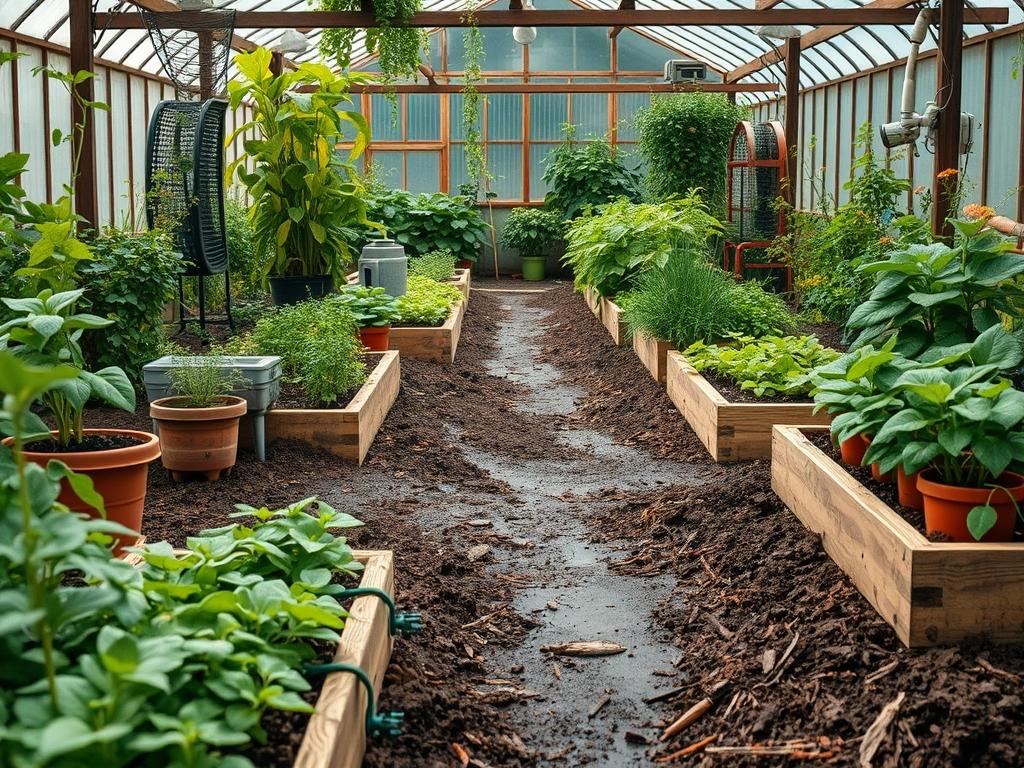
The convergence of horticultural expertise and modern technology has redefined the traditional backyard, transforming it from a labor-intensive chore into a high-efficiency outdoor environment. For the modern homeowner, the challenge lies in balancing aesthetic appeal with the unpredictable variables of climate, soil composition, and limited personal time. Effective landscaping is no longer just about choosing the right flora; it involves the strategic integration of technology to manage the living ecosystem of your property. By implementing sophisticated automated garden device tips, you can ensure that your outdoor space maintains its health and curb appeal through periods of drought, heatwaves, or neglect. These devices act as a bridge between structural design and biological health, allowing for precise control over hydration, nutrition, and lighting. The goal of a well-planned landscape is to create a seamless extension of the interior living space while honoring the local ecology and topography of the site.
Landscape Design Principles
A successful landscape begins with a deep understanding of spatial geometry and site-specific conditions. Designers often utilize symmetry to create a sense of order and formality, particularly near the primary entrance or along major walkways. This visual balance involves mirroring plant groupings or hardscape elements to guide the eye toward a focal point, such as a water feature, a specimen tree, or a decorative retaining wall. However, symmetry must be tempered by elevation layers. By introducing varied heights through the use of raised beds, terracing, or tiered plantings, you create depth and visual interest that flat gardens lack. These elevation changes also serve a functional purpose, as they can assist with drainage management and create distinct microclimates within a single yard.
When planning for automation, irrigation must be considered at the conceptual phase rather than as an afterthought. This involves hydro-zoning, a process where plants with similar water requirements are grouped together to maximize the efficiency of a smart controller. A well-designed landscape also prioritizes flow through the use of defined walkways. Whether using Flagstone, Decomposed Granite, or Pavers, these paths prevent soil compaction in planting areas and provide a clean line for robotic mowers to follow. Visual balance is further maintained by blending softscaping, the living elements, with hardscaping, the non-living structures. The integration of Smart Irrigation Hubs ensures that these two elements coexist without the hardscape suffering from water staining or erosion caused by over-pressurized spray heads.
Plant and Material Selection
Selecting the proper biological components is essential for a low-maintenance, automated system. The following table outlines diverse options that respond well to automated monitoring and care.
| Plant Type | Sun Exposure | Soil Needs | Water Demand | Growth Speed | Maintenance Level |
| :— | :— | :— | :— | :— | :— |
| Boxwood Shrub | Full to Partial | Well-Drained | Moderate | Slow | Medium |
| Lavender | Full Sun | Sandy/Loamy | Low | Moderate | Low |
| Hostas | Full Shade | Organic/Rich | High | Moderate | Low |
| Switchgrass | Full Sun | Adaptable | Low | Fast | Minimal |
| Japanese Maple | Partial Sun | Acidic/Moist | Moderate | Slow | Medium |
| Sedum | Full Sun | Poor/Gravelly | Very Low | Moderate | Minimal |
| Heuchera | Partial Shade | Humus-Rich | Moderate | Moderate | Low |
Implementation Strategy
The actualization of a landscape plan requires a systematic approach to site preparation and installation. Begin with professional grading to ensure that the land slopes away from any permanent structures at a rate of at least 2 percent. This prevents water from pooling against the foundation and ensures that the automated drainage systems, such as French Drains or Catch Basins, can function via gravity. Once the grade is established, the layout of the hardscape elements should be marked using stakes and string lines. This is the ideal time to install underground conduits for Low-Voltage Lighting cables and Polyethylene Irrigation Tubing. By burying these lines before planting, you avoid damaging root systems later.
Edging is the next critical step. A sharp, defined edge between the lawn and the garden beds provides a physical barrier that prevents grass from encroaching on the mulch. Use Metal Edging or Concrete Curbing to create a durable rim that can withstand the blades of a robotic mower. When it comes to the planting beds, use a high-quality Organic Compost to amend the existing soil. After the plants are in the ground, apply a consistent 3-inch deep layer of Mulch. This serves as a thermal blanket for the roots and significantly reduces the evaporation of moisture. When integrated with Subsurface Drip Irrigation, this layering allows water to reach the soil directly, minimizing leaf rot and fungal growth caused by overhead watering.
Common Landscaping Failures
The most frequent error in home landscaping is the neglect of proper drainage. Homeowners often install beautiful plant palettes only to see them succumb to root rot because the soil lacks a path for excess water to escape. High clay content can lead to soil compaction, which suffocates roots and prevents the infiltration of air and nutrients. Another common failure is improper spacing. It is vital to research the mature spread of a species; planting Arborvitae or Oak Trees too close together or too near a structure can lead to structural damage or a stunted, spindly appearance as they compete for light and space.
Irrigation inefficiency is another significant hurdle. Many manual systems apply water at a rate faster than the soil can absorb, leading to runoff and wasted resources. This is where automated garden device tips become crucial. Using Soil Moisture Sensors eliminates the guesswork of watering schedules. Without these sensors, homeowners frequently over-water during the rainy season and under-water during heat spikes. Furthermore, the lack of a Smart Weather Controller means the system might activate during a rainstorm, which is both wasteful and detrimental to the health of the plants. Finally, neglecting the long-term impact of root growth on hardscaping can lead to cracked walkways and buckling driveways, requiring expensive repairs.
Seasonal Maintenance
Maintenance requirements fluctuate with the seasons, and an automated system must be adjusted accordingly to remain effective. In the spring, the focus should be on system activation and soil preparation. This includes testing the Backflow Preventer, cleaning Spray Nozzles, and replacing the batteries in any remote sensors. It is also the time to apply a pre-emergent herbicide and a fresh layer of mulch to suppress weeds. As the heat of summer arrives, the primary goal is moisture management. Smart controllers should be set to “Seasonal Adjust” mode, which automatically increases watering frequency based on rising evapotranspiration rates. Monitor the robotic mower’s blades to ensure they remain sharp, as dull blades can tear the grass and invite disease.
Autumn is the season for transition and nourishment. Reduce the frequency of irrigation as plant metabolisms slow down. This is the optimal window for aerating the lawn to combat soil compaction and for applying a high-phosphorus fertilizer to encourage root development before the frost. As winter approaches, the automated systems require winterization. In colder climates, this means blowing out the irrigation lines with compressed air to prevent pipes from bursting and storing sensitive electronics, such as Smart Valves, indoors. Deciduous trees and shrubs may require structural pruning during their dormant phase to maintain the desired shape and remove any damaged wood that could break under the weight of snow.
Professional Landscaping FAQ
What is the benefit of a smart irrigation controller?
A smart controller uses real-time weather data to adjust watering schedules automatically. This prevents unnecessary irrigation during rain and increases water delivery during droughts, saving money while ensuring optimal plant health and soil moisture levels across all zones.
How do soil moisture sensors improve garden health?
These sensors measure the volumetric water content at the root zone. By communicating with your irrigation hub, they prevent overwatering by pausing scheduled cycles if the soil is already sufficiently hydrated, which is vital for preventing fungal infections and root decay.
Is a robotic mower worth the investment for large yards?
Yes, robotic mowers provide consistent, frequent clipping that produces a healthier, denser lawn. Because they cut only a small amount of the blade at a time, the nitrogen-rich clippings return to the soil immediately, acting as a continuous, natural fertilizer.
What is the best way to handle poor backyard drainage?
Installing a combination of Catch Basins and a French Drain system is the most effective solution. These structures collect excess surface water and transport it to a lower point or a dry well, protecting your plants and home foundation from saturation.
How deep should mulch be applied in a planting bed?
A depth of 3 inches is the professional standard. This thickness is sufficient to suppress weed germination and retain soil moisture without preventing oxygen from reaching the roots. Avoid mounding mulch against the trunks of trees, which can cause bark rot.