
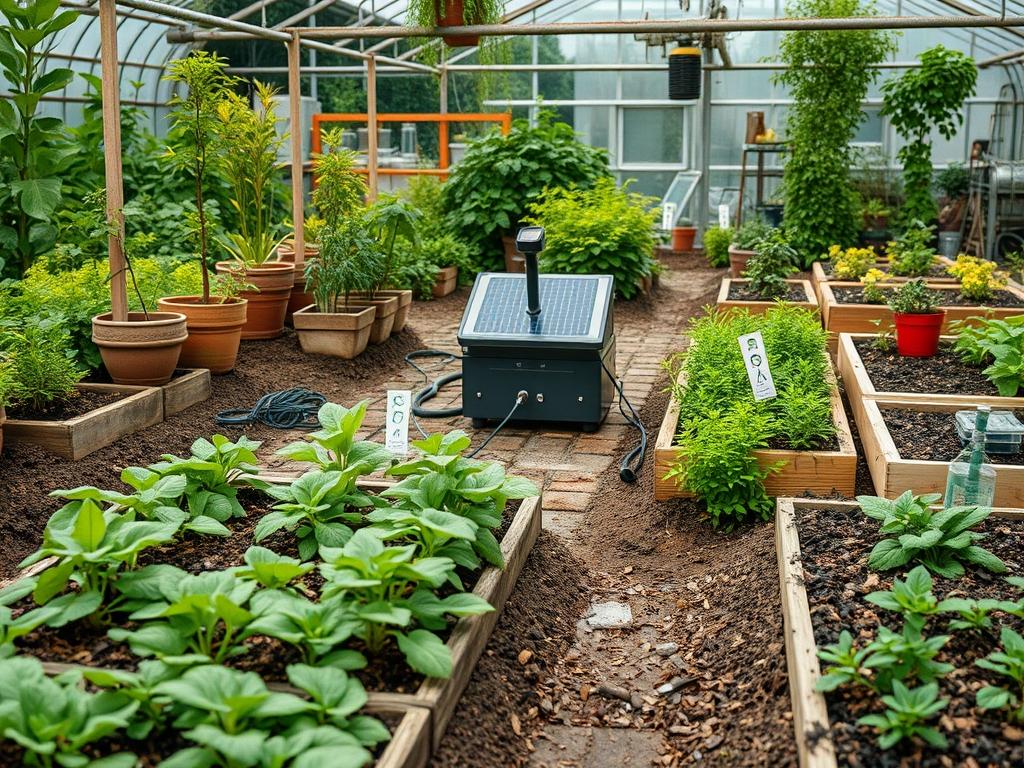
The modern landscape is no longer just a collection of aesthetic choices; it is a complex biological and engineering system that requires a rigorous framework to sustain itself. Homeowners and developers frequently struggle with the paradox of wanting a lush, vibrant outdoor environment while simultaneousy facing rising water costs and shifting climatic zones. Transitioning to a professional Solar Powered Garden Logic involves more than just installing a few decorative lights. It requires a fundamental understanding of how solar energy creates microclimates, influences wind patterns, and dictates the hydraulic needs of every square foot of soil. When we approach a site as landscape architects, we look for ways to harmonize the built environment with the natural path of the sun to maximize curb appeal and functionality. This systematic approach ensures that the investment in hardscaping and horticulture yields a self-sustaining ecosystem that enhances property value and provides a true extension of the interior living space.
Solar Powered Garden Logic prioritizes the intelligent placement of assets based on data-driven observations. By mapping the sun’s trajectory across the property, we can determine where to place high-thermal-mass materials like natural stone or travertine pavers to regulate ground temperature. This logic extends to the placement of technological components, such as solar-powered irrigation timers and low-voltage LED controllers, ensuring they are positioned for maximum efficiency. Climate considerations play a massive role here. A backyard in a high-heat index region requires different shading strategies than a coastal property prone to salt spray and high humidity. In both cases, the goal is to create a resilient outdoor room that functions efficiently day and night, reducing the overall carbon footprint while providing a sanctuary for the inhabitants.
Landscape Design Principles
Professional landscape design relies on the core concepts of symmetry and visual balance to guide the eye through the space. We start by establishing focal points, which are often structural elements like a pergola, a specimen tree, or a three-tier water feature. These elements anchor the design and provide a sense of purpose to the layout. To achieve true balance, we use elevation layers to create depth. For example, installing a retaining wall built from 6-inch limestone blocks can transform a flat, uninspired lawn into a dynamic multi-leveled terrace. This also helps with soil retention and provides a clear boundary between manicured garden beds and active play areas.
Walkway planning is another critical principle. We design paths that are at least 36 inches wide to allow for comfortable movement, often utilizing decomposed granite or flagstone set in pea gravel. The logic here is to create a rhythm that matches the architectural style of the home. If the house features modern, clean lines, the landscaping should mirror that with geometric shapes and sharp steel edging. If the home is a traditional cottage, we opt for organic curves and softer transitions. Visual balance is further enhanced by repeating textures and colors throughout the site. By grouping plants in odd numbers, such as clusters of three or five Blue Fescue grasses, we create a more natural and pleasing aesthetic than rigid, even-numbered rows.
Plant and Material Selection
Choosing the right materials and flora is the most vital step in the Solar Powered Garden Logic framework. We must match the physiological needs of the plant with the specific solar exposure of the micro-site.
| Plant Type | Sun Exposure | Soil Needs | Water Demand | Growth Speed | Maintenance Level |
| :— | :— | :— | :— | :— | :— |
| Lavender (Lavandula) | Full Sun | Well-drained | Low | Moderate | Low |
| Japanese Maple | Partial Shade | Loamy/Acidic | Moderate | Slow | Medium |
| Boxwood (Buxus) | Full to Part | Well-drained | Moderate | Slow | High (Pruning) |
| Coneflower (Echinacea) | Full Sun | Poor to Rich | Low | Fast | Low |
| Hostas | Deep Shade | Moist/Organic | High | Moderate | Low |
| Switchgrass | Full Sun | Any | Low | Fast | Low |
For hardscaping, the selection of materials impacts the ambient temperature of the garden. Light-colored pavers reflect sunlight and keep walkways cool, while dark basalt absorbs heat, which can be beneficial in cooler climates to extend the growing season. We also integrate non-woven geotextile fabric beneath 3 inches of cedar mulch to suppress weeds and maintain soil moisture levels.
Implementation Strategy
The successful implementation of a landscape plan begins with proper site preparation. First, we address grading. The ground must slope away from the home’s foundation at a minimum of 2 percent to ensure that rainwater does not pool against the structure. If the topography is particularly challenging, we install a French drain using 4-inch perforated PVC pipe encased in 1-inch clean aggregate stone. This subsurface drainage system redirects excess water to a designated runoff area or a subterranean cistern for later use.
Once the grade is set, we outline the garden beds using a marking wand and surveyor’s tape. Before a single plant goes into the ground, we amend the soil with organic compost to a depth of 8 inches to break up clay or add body to sandy soils. When planting, we ensure the root flare of every tree is slightly above the soil line to prevent rot. For automated systems, we install a solar-powered weather station that communicates with the drip irrigation system. This allows the garden to “think” for itself, only delivering water when the sensors detect a moisture deficit in the root zone. Finally, we finish the beds with a consistent layer of hardwood mulch to protect the microorganisms in the soil.
Common Landscaping Failures
The most frequent mistake in amateur landscaping is ignoring the mature size of plants. This leads to root overcrowding and a congested aesthetic. When a white oak is planted too close to a retaining wall, the expanding root system will eventually crack the masonry, leading to expensive repairs. Proper spacing, as dictated by the specific cultivar’s growth habits, is non-negotiable. Another common failure is improper drainage logic. Many homeowners focus on the beauty of the plants but forget that standing water is the primary killer of most ornamental species. Without a clear path for water to exit the site, the soil become anaerobic, essentially drowning the plants.
Soil compaction is another silent killer, particularly in new construction. Heavy machinery packs the earth so tightly that oxygen cannot reach the roots. Professional contractors use a power aerator to loosen the soil before planting. Furthermore, we see many systems where irrigation is inefficiently programmed. Sprinkling the foliage of plants during the heat of the day can lead to leaf scorch and fungal diseases like powdery mildew. A logic-based system uses soaker hits or emitters at the base of the plant, delivering water directly where it is needed most without wasting a drop to evaporation.
Seasonal Maintenance
A garden is a living entity that requires specific care cycles. In the Spring, the focus is on cleanup and preparation. We prune dead wood from hydrangeas and roses, apply a slow-release fertilizer, and refresh the mulch to a depth of 3 inches. This is also the time to check the irrigation valves for leaks caused by winter freezes. As we move into Summer, the priority shifts to hydration management. We monitor the solar-powered pump if the garden includes a water feature and ensure that the weed barrier is intact to prevent invasive species from competing for nutrients during peak growth.
Autumn is the time for renewal. We plant spring-flowering bulbs and cool-season annuals. It is also the best time to divide overgrown perennials like daylilies. We reduce the watering frequency as the days shorten and the evaporation rate drops. Finally, in Winter, we focus on protection. We wrap sensitive evergreens in burlap to prevent windburn and use anti-desiccant sprays on broadleaf plants. We also drain the irrigation lines using a compressed air blowout to prevent the pipes from bursting in sub-zero temperatures. This year-round logic ensures the garden remains a high-performing asset regardless of the weather.
Professional Landscaping FAQ
How does solar logic improve my property value?
It creates a low-maintenance, high-efficiency environment that reduces utility costs. By using drought-tolerant native plants and automated systems, you demonstrate long-term sustainability to potential buyers. A well-executed landscape design typically offers a return on investment of over 100 percent.
What is the best way to handle poor soil drainage?
Install a French drain or a dry creek bed at the lowest point of the property. Use 4-inch perforated pipe and river rock to move water away from high-traffic zones. This prevents root rot and protects your home’s foundation.
How much mulch do I actually need for my garden beds?
A depth of 3 inches is the professional standard. Anything less fails to suppress weeds or retain moisture; anything more can suffocate plant roots and create a habitat for bark beetles and other wood-boring pests.
Are solar-powered lights bright enough for security?
Modern LED solar lights with high-capacity lithium-ion batteries provide significant illumination. For security, choose models with at least 500 lumens and motion sensors. Place them near entry points to ensure consistent coverage throughout the night.
How do I choose between native and ornamental plants?
Prioritize native plants for at least 70 percent of your landscape to support local pollinators and reduce water needs. Use ornamental specimens as focal points in high-visibility areas like the front entry or the main patio view.