
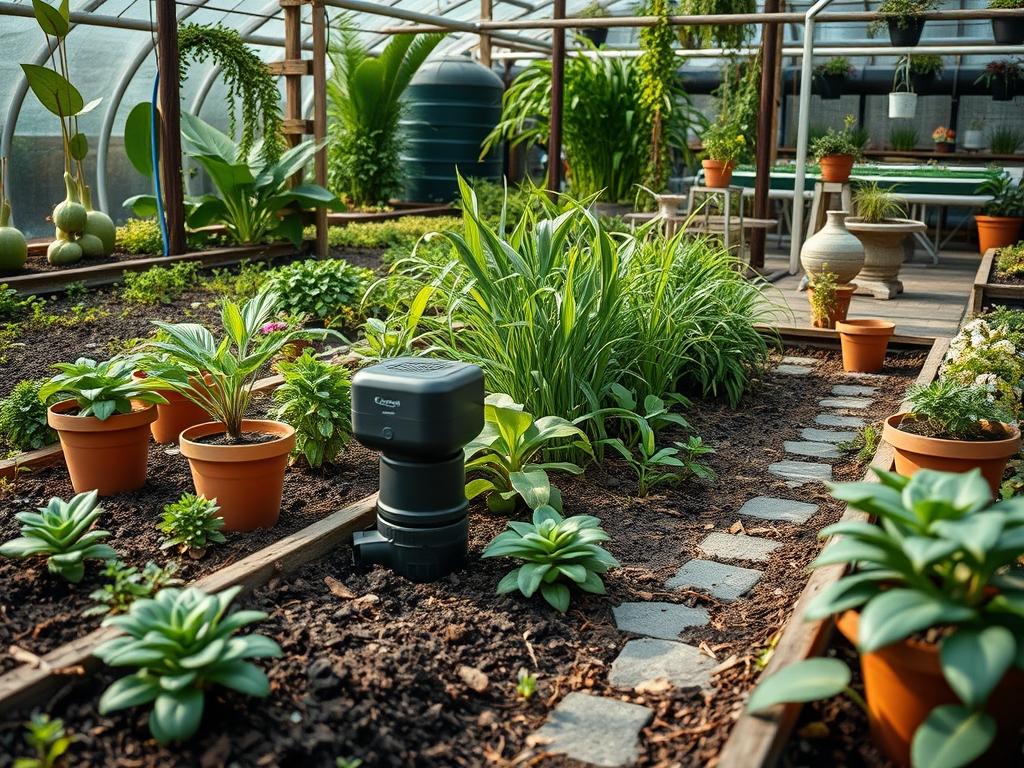
Developing a cohesive outdoor environment requires more than a simple collection of flora; it demands a strategic alignment of engineering and aesthetics. When a property owner seeks to elevate a backyard from a static patch of turf to a dynamic sanctuary, the integration of water becomes a primary objective. Water features provide a sensory experience that masks urban noise, cools the local microclimate, and increases property value through significant curb appeal. However, the logistical challenge of running traditional high voltage electrical lines through established gardens often prevents homeowners from realizing this vision. This is where Solar Powered Pond Pumps emerge as a critical tool for the modern landscape architect. By utilizing renewable energy, these systems allow for the placement of fountains, waterfalls, and filtration units in remote “off-grid” corners of a lot without the need for expensive trenching or permit intensive electrical work. A successful landscape plan integrates these functional elements into a broader design that considers soil health, drainage patterns, and the long term growth cycles of selected vegetation.
Landscape Design Principles
Effective landscape design relies on the core principles of balance, rhythm, and focal points. A focal point, such as a tiered stone fountain powered by Solar Powered Pond Pumps, serves as the anchor for the visual field. To achieve symmetry, one might flank this water feature with mirrored plantings of Dwarf Boxwood or Sky Pencil Holly. Balance does not always require identical sides; asymmetrical balance can be achieved by placing a large Japanese Maple on one side of a pond and a grouping of smaller Ornamental Grasses on the other.
Elevation layers are equally vital for professional results. Designers typically follow the “Foreground, Middle ground, Background” rule. Moving from the walkway toward the perimeter, you should transition from low growing groundcovers like Creeping Thyme to medium height perennials such as Purple Coneflower, finishing with tall privacy hedges or structural trees. Incorporating verticality through retaining walls built with Natural Flagstone or Pressure Treated Timbers adds 3D depth to a flat yard. Irrigation planning must also be addressed during the design phase. Even when using Solar Powered Pond Pumps for water movement, the surrounding garden beds should be grouped by “hydrozones.” This practice ensures that drought tolerant species are not drowned by the high moisture requirements of plants surrounding a pond or stream bed.
Plant and Material Selection
Selecting the right materials and biological components ensures the longevity of the landscape. The following table provides a breakdown of common plants used in professional pond side and garden designs.
| Plant Type | Sun Exposure | Soil Needs | Water Demand | Growth Speed | Maintenance Level |
| :— | :— | :— | :— | :— | :— |
| Hardy Water Lily | Full Sun | Aquatic Compost | High (Submerged) | Fast | Medium |
| Japanese Forest Grass | Part Shade | Loamy/Moist | Moderate | Slow | Low |
| Blue Flag Iris | Full to Part Sun | Wet/Boggy | High | Medium | Low |
| Creeping Jenny | Sun to Shade | Moist/Well Drained | Moderate | Fast | Moderate |
| Stonecrop Sedum | Full Sun | Sandy/Dry | Low | Medium | Very Low |
| Switchgrass | Full Sun | Any | Low | Fast | Low |
For hardscaping materials, professionals often utilize River Rock or Pea Gravel for pond margins to hide EPDM Pond Liners. When selecting Solar Powered Pond Pumps, the material of the housing matters; look for High Grade ABS Plastic or Stainless Steel to resist UV degradation and mineral buildup.
Implementation Strategy
The transition from a blueprint to a finished garden requires a disciplined sequence of operations. The process begins with Grading, which involves sloping the land away from the home’s foundation at a minimum rate of 2 percent. This prevents basement flooding and ensures that runoff flows toward designated drainage areas or rain gardens. Once the site is graded, the layout of the pond or water feature is marked using Layout String and Marking Paint.
The excavation phase for a pond should include multiple shelves at depths of 12 inches, 24 inches, and 36 inches. These shelves provide places for aquatic plants to sit and offer a refuge for fish. After the hole is dug, a layer of Underlayment Fabric is installed to protect the 30 Mil EPDM Liner from sharp stones. This is the stage where Solar Powered Pond Pumps are positioned. The pump itself is placed at the deepest point, often inside a Pump Vault to prevent clogging from debris. The solar panel should be mounted on a Swivel Stake in a location receiving at least 6 hours of direct sunlight, ideally facing South. PVC Piping or Flexible Kink Free Tubing is then routed from the pump to the head of the waterfall.
After the water feature is functional, edging and mulch application begin. We recommend a 4 inch layer of Hardwood Shredded Mulch or Pine Bark Nuggets for garden beds. Mulch maintains soil moisture and suppresses weed germination. Finally, walkways made of Decomposed Granite or Paver Stones should be installed to provide access for maintenance without compacting the garden soil.
Common Landscaping Failures
The most frequent mistake in residential landscaping is poor drainage planning. If a pond is placed at the lowest point of a yard without an Overflow Pipe, heavy rains will wash garden soil and fertilizer into the water, causing massive algae blooms and potentially killing aquatic life. Another common failure is root overcrowding. Homeowners often plant Willow Trees or Silver Maples too close to ponds and foundations; these species have aggressive root systems that can easily puncture a Pond Liner or crack a Concrete Retaining Wall.
Improper spacing of smaller shrubs also leads to a cluttered, unhealthy garden within three to five years. Always research the “Mature Spread” of a plant rather than its size at the nursery. Soil compaction is another silent killer of landscapes. During construction, heavy machinery can compress the soil so tightly that air and water cannot reach the roots. To fix this, a Power Aerator or the addition of Organic Compost is necessary before any planting occurs. Lastly, irrigation inefficiencies, such as using a high flow pump for a small fountain, lead to excessive evaporation. Selecting one of the many Solar Powered Pond Pumps with adjustable flow valves allows for better control over water loss.
Seasonal Maintenance
Landscape management is an ongoing cycle that changes with the weather. In the Spring, focus on “The Clean Up.” Remove dead perennial stalks, test the soil pH, and apply a Slow Release Fertilizer. This is also the time to reinstall Solar Powered Pond Pumps that were stored for the winter. Check the impeller for any blockages and clean the surface of the solar panel with a Microfiber Cloth to ensure maximum energy absorption.
During the Summer, the priority shifts to hydration and weed control. Deep watering in the early morning is more effective than frequent shallow misting. If your water feature uses Solar Powered Pond Pumps, monitor the water level closely; evaporation happens rapidly in July and August, and running a pump dry will burn out the motor. In Autumn, the goal is “The Preparation.” Thin out overgrown aquatic plants and install Pond Netting to catch falling leaves. If leaves decay in the water, they release gases that can be toxic to fish. During Winter, most temperate climates require “Winterization.” Disconnect the pump, drain the lines to prevent ice expansion from cracking the PVC, and store the solar components in a dry, frost free environment like a garage or basement.
Professional Landscaping FAQ
How do I choose the right size solar pump?
Calculate the total volume of your pond. For proper filtration, choose Solar Powered Pond Pumps that can circulate the entire volume of the pond at least once every two hours, while also considering the “Head Height” of your waterfall.
Can solar pumps run during the night?
Standard models only operate during daylight. However, if you require 24 hour operation, you must select Solar Powered Pond Pumps equipped with a Lithium Ion Battery Backup system that stores energy collected during the afternoon for evening use.
What is the best mulch for pond side gardens?
Avoid lightweight mulches like Cocoa Hulls which float away. Use Heavy Shredded Cedar or River Rock. These materials stay in place during rainstorms and do not easily wash into your water feature, protecting your pump’s intake.
How do I prevent my pond water from turning green?
Ensure your Solar Powered Pond Pumps are connected to a UV Clarifier or a biological filter. Additionally, cover at least 50 percent of the water surface with floating plants like Water Lilies to block sunlight and starve algae.
Do I need a professional to install a solar pump?
Most Solar Powered Pond Pumps are low voltage and designed for “Plug and Play” installation. No licensed electrician is required, making them an ideal project for a DIY homeowner or a landscape contractor looking to save on labor costs.