
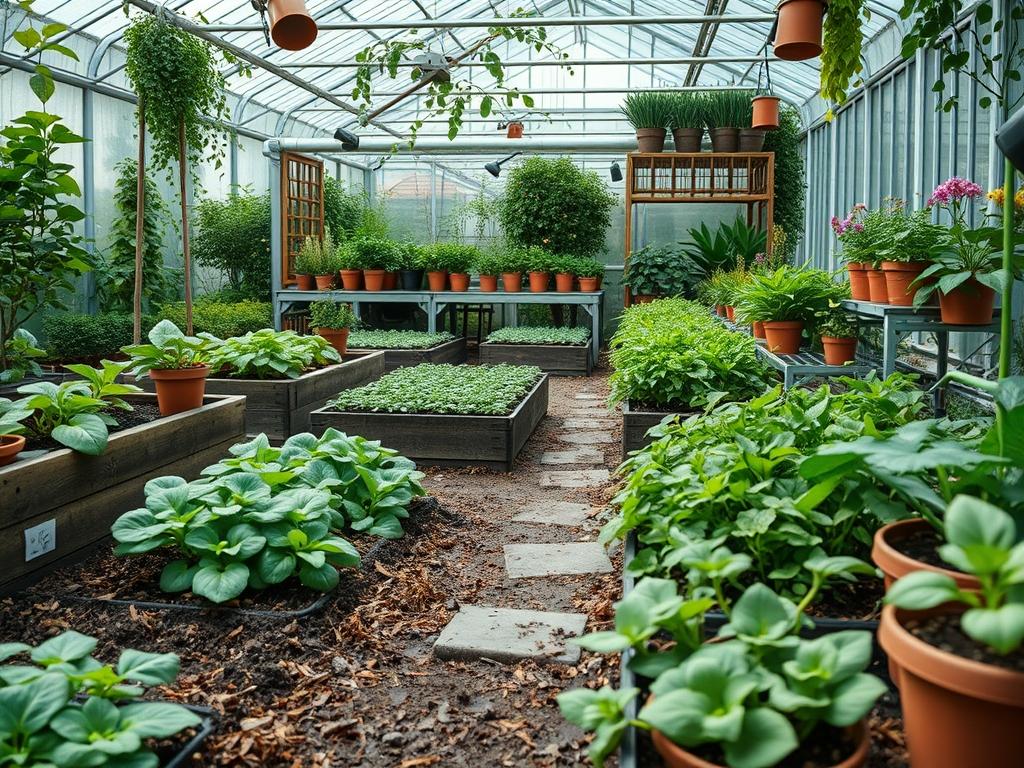
The modern landscape is no longer just a decorative arrangement of flora and hardscape; it is a complex ecosystem that requires precise management to thrive in an era of climatic volatility. Traditional landscaping often relied on visual cues or seasonal intuition, but these methods frequently result in resource waste or unforeseen plant mortality. By integrating Smart Garden Data Analysis into the planning phase, homeowners and commercial developers can achieve a level of curb appeal that is both aesthetically striking and ecologically resilient. This transition toward data-driven design allows us to address site-specific challenges, such as aggressive soil erosion or localized microclimates, with surgical precision. A well-designed outdoor environment serves as an extension of the interior living space while significantly increasing the financial valuation of the property.
Achieving this balance requires an understanding of how site conditions interact with architectural goals. When we design for functionality and beauty, we must consider the flow of movement through a space, the way light shifts across a structure, and the hydraulic demands of the vegetation. Smart Garden Data Analysis bridges the gap between the initial vision and long-term sustainability. By utilizing soil moisture sensors, weather station integration, and nutrient monitoring, we can predict how a landscape will respond to stressors before they manifest as yellowing leaves or dying sod. This proactive approach ensures that the outdoor environment remains a vibrant, high-performing asset regardless of the environmental pressures it faces.
Landscape Design Principles
Successful landscape architecture begins with the core principles of symmetry and visual balance. Symmetrical designs provide a sense of formality and order, often used in entryways to create a grand sense of arrival. Asymmetrical designs, conversely, feel more naturalistic and relaxing, which is ideal for secluded backyard retreats. To achieve this balance, we use Focal Points such as an ornamental Japanese Maple or a bespoke water feature to draw the eye and provide a sense of purpose to a specific zone.
Elevation layers are equally critical in professional design. We categorize plants into the canopy, understory, and groundcover layers to mimic natural forest structures. This vertical stratification not only adds depth and visual interest but also optimizes light absorption and provides privacy. For instance, a 20-foot wide privacy screen composed of Arborvitae can be paired with lower-level Hydrangeas and Hostas to create a lush, tiered effect.
Irrigation planning must be integrated into the design from the start, rather than being an afterthought. We utilize a Zoned Drip Irrigation system that delivers water directly to the root zones, minimizing evaporation. Every walkway and hardscape element, such as a Paver Patio or a Flagstone Path, should account for historical drainage patterns. By analyzing topographic data, we can install French Drains or Catch Basins in areas prone to pooling, ensuring that heavy rains do not compromise the integrity of the Retaining Walls or the health of the root systems.
Plant and Material Selection
The following table outlines high-performance plant selections that benefit from data-monitored environments, categorized by their specific physiological requirements.
| Plant Type | Sun Exposure | Soil Needs | Water Demand | Growth Speed | Maintenance Level |
| :— | :— | :— | :— | :— | :— |
| Boxwood (Buxus) | Full to Partial | Well-drained, Loamy | Moderate | Slow | Medium |
| Lavender (Lavandula) | Full Sun | Sandy, Alkaline | Low | Moderate | Low |
| Fountain Grass | Full Sun | Versatile, Well-drained | Moderate | Fast | Low |
| River Birch | Full Sun | Moist, Acidic | High | Fast | Medium |
| Creeping Thyme | Full Sun | Poor to Average | Low | Moderate | Low |
| Dwarf Alberta Spruce| Full Sun | Rich, Moist | Moderate | Very Slow | Medium |
| Coneflower (Echinacea)| Full Sun | Well-drained | Low | Fast | Low |
Material selection also dictates the longevity of the design. We prefer Professional Grade Landscape Fabric for weed suppression, which is then covered by 3 inches of Hardwood Mulch or River Rock. Using Steel Edging provides clean lines that prevent grass from encroaching into planting beds, maintaining the crisp aesthetic required for high-end curb appeal.
Implementation Strategy
The transition from a blueprint to a finished landscape requires a disciplined execution strategy. The first phase is always site grading. We use a Transit Level to ensure the ground slopes away from the foundation of the home at a minimum rate of 1 inch per foot. Proper grading prevents basement flooding and avoids the formation of anaerobic soil conditions that lead to root rot. If the slope is too steep, we implement a Bouldered Retaining Wall to creates level planting terraces.
Once the grade is set, we layout the hardscape elements. Sub-base compaction is vital here; we use 3/4-inch crushed stone compacted in 2-inch lifts to provide a stable foundation for pavers. This prevents the shifting and sinking that often ruins walkways over time. After the “hard” elements are in place, the irrigation lines are trenched and sensors are installed. Using Subsurface Moisture Probes, the Smart Garden Data Analysis system begins collecting baseline data on water retention rates.
Planting follows a specific protocol: holes are dug 2 times wider than the root ball but no deeper. We amend the backfill with Organic Compost to improve soil structure. Finally, we apply a consistent layer of Mulch, ensuring it does not touch the trunks of trees or stems of shrubs, as this can encourage fungal infections and pest infestations.
Common Landscaping Failures
One of the most frequent errors in landscape management is the improper spacing of plant material. It is easy to plant for immediate impact, but failing to account for the “mature width” of a species leads to root overcrowding and poor air circulation. Overcrowded plants compete for limited nutrients and water, making them susceptible to diseases like powdery mildew. Data-driven planning helps us model the growth of a 2-gallon shrub five years into the future, ensuring each plant has adequate room to reach its genetic potential.
Soil compaction is another silent killer of landscape health. In areas with high foot traffic or where heavy machinery was used during construction, the soil pores are crushed, preventing oxygen and water from reaching the roots. We address this by using Core Aerators or incorporating Expanded Shale into the soil profile. Furthermore, many homeowners suffer from irrigation inefficiencies. They often over-water in the morning only to have the sun bake the wet foliage, or they water for short durations that never penetrate the top 1 inch of soil. Smart systems solve this by calculating the Evapotranspiration Rate, ensuring the soil profile remains at an optimal moisture percentage without reaching a saturation point.
Seasonal Maintenance
Maintaining a professional landscape requires a rhythmic approach to care. In the Spring, the focus is on rejuvenation. This includes applying a Pre-emergent Herbicide to prevent weed seeds from germinating and testing the soil pH to determine if Lime or Sulfur additions are necessary. We also prune any winter-damaged limbs using Bypass Pruners to encourage new growth.
Summer maintenance is dominated by water management and pest monitoring. During heat waves, the Smart Garden Data Analysis platform will often trigger extra irrigation cycles for high-demand zones while maintaining a “soak and hide” schedule for drought-tolerant species. In Autumn, we focus on leaf removal and “putting the garden to bed.” This involves applying a High-Potassium Fertilizer to strengthen root systems before the ground freezes. Winter is the time for dormant pruning of deciduous trees and applying Anti-Desiccant Sprays to evergreens like Boxwoods and Holly to prevent windburn and moisture loss when the ground is frozen.
Professional Landscaping FAQ
What is the benefit of smart data in my backyard?
It provides real-time insights into soil moisture and plant health. This allows for precise irrigation and fertilization, reducing resource waste while ensuring that your plants receive exactly what they need for optimal growth and color.
How deep should I apply mulch in my garden beds?
For most applications, a depth of 2 to 3 inches is ideal. This depth is sufficient to suppress weeds and retain soil moisture without suffocating the root systems or preventing oxygen exchange with the atmosphere.
Why are my plants dying despite regular watering?
The most common cause is either poor drainage or improper watering frequency. If the soil stays saturated, roots cannot breathe and will rot. Conversely, light watering often fails to reach the deep roots where it is needed most.
When is the best time to plant new shrubs?
Early Spring or Late Autumn are the preferred windows. These periods offer cooler temperatures and more consistent rainfall, which reduces the transplant shock and allows the root system to establish itself before the extremes of Summer or Winter.
How do I prevent weeds from taking over my pavers?
Professional installation using Polymetric Sand in the joints is the most effective method. This material hardens when activated by water, creating a durable barrier that resists weed growth while remaining flexible enough to withstand natural ground movement.