
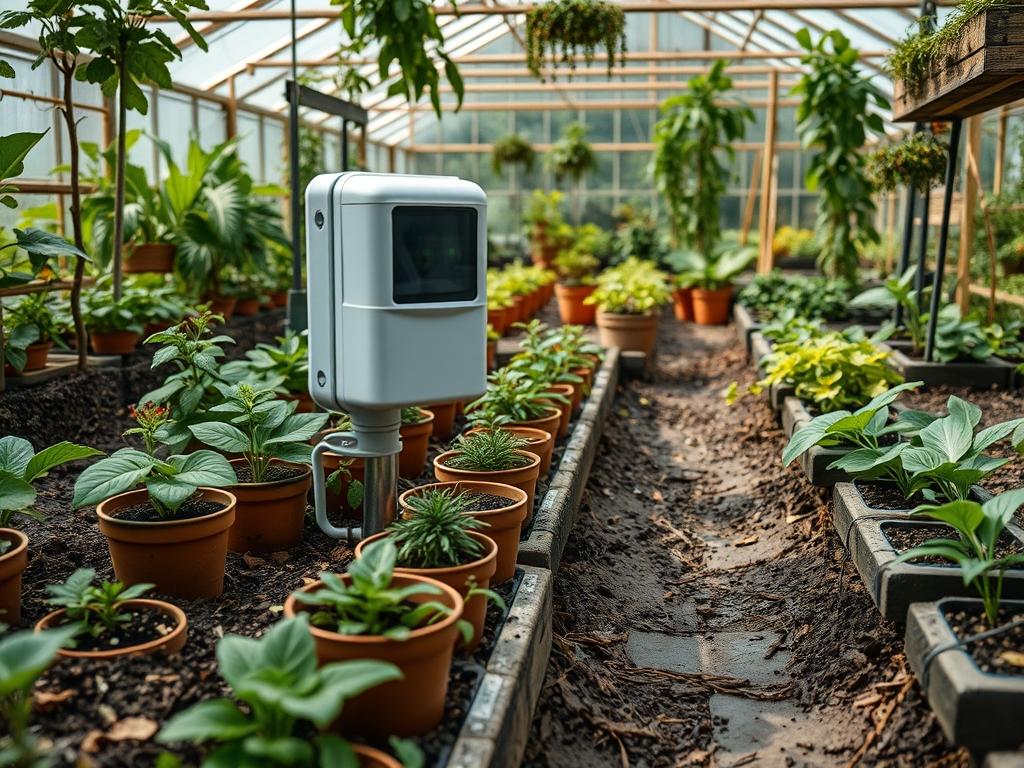
The evolution of the modern backyard has moved beyond simple aesthetics, entering a territory where high-end design meets sophisticated technology. Homeowners now seek a seamless integration of aesthetic beauty and perimeter protection, necessitating a strategic approach to how we build our outdoor environments. Designing a space that accommodates Smart Garden Security Alarms requires a deep understanding of line-of-sight, signal interference, and environmental stressors. The challenge lies in creating a lush, inviting sanctuary that does not provide cover for intruders or hinder the functionality of motion-sensing hardware. Climate considerations play a pivotal role here; high humidity or extreme temperature fluctuations can affect both plant health and electronic longevity. By prioritizing curb appeal alongside functional safety, a landscape architect can transform a standard garden into a fortified yet elegant extension of the home. Modern outdoor living is no longer just about the patio or the pool. It is about creating a controlled, intelligent ecosystem.
Landscape Design Principles
Achieving a balanced landscape begins with symmetry and the intelligent use of focal points. In a high-tech garden, symmetry serves a dual purpose. It provides a pleasing visual rhythm for the eye while ensuring that Smart Garden Security Alarms have clear, unobstructed fields of view. When placing infrared sensors or smart cameras, we often use the primary focal points, such as a sculptural fountain or a large specimen tree, to anchor the visual composition. This allows the security hardware to be positioned discreetly without breaking the flow of the design. Elevation layers are equally critical. By utilizing retaining walls and multi-tiered planters, we can create natural vantage points for sensors that overlook the entire property.
Visual balance is maintained through the careful distribution of mass and void. We want to avoid dense thickets of foliage near entry points where blind spots could occur. Instead, we utilize low-growing groundcovers and airy, transparent shrubs that maintain visibility while providing texture. Irrigation planning is another silent partner in this design. Moisture-sensing drip irrigation systems must be mapped out to avoid spraying directly onto electronic housings, even those with high IP65 waterproof ratings. Walkways should be designed with both flow and friction in mind. A path of crushed gravel or river stone provides an audible alert when someone approaches, acting as a low-tech backup to the electronic Smart Garden Security Alarms. This layering of sensory experiences defines a truly professional landscape.
Plant and Material Selection
Selecting the right biological components is essential for maintaining the integrity of a high-tech security perimeter. We prioritize species that provide structural stability without requiring excessive pruning that might intermittently block sensors.
| Plant Type | Sun Exposure | Soil Needs | Water Demand | Growth Speed | Maintenance Level |
| :— | :— | :— | :— | :— | :— |
| Boxwood (Buxus) | Full Sun to Shade | Well-Drained | Moderate | Slow | Low |
| Lavender (Lavandula) | Full Sun | Sandy/Gravelly | Low | Medium | Moderate |
| Emerald Green Arborvitae | Full Sun | Moist/Loamy | Moderate | Medium | Low |
| Dwarf Fountain Grass | Full Sun | Adaptable | Low | Fast | Low |
| Creeping Thyme | Full Sun | Poor/Well-Drained | Low | Medium | Very Low |
| Japanese Maple | Partial Shade | Slightly Acidic | Moderate | Slow | Moderate |
For materials, we emphasize the use of natural stone, powder-coated aluminum, and pressure-treated timber. Mulch should be applied at a depth of at least 3 inches to suppress weeds and retain moisture, but it must be kept clear of any ground-mounted sensor poles to prevent rot.
Implementation Strategy
The transition from a design on paper to a functional, secure backyard requires a methodical implementation strategy. We begin with grading and drainage. The land must be sloped at a minimum of 2 percent away from the home and any buried electrical conduits to prevent standing water or soil erosion. Once the topography is set, we lay out the hardscaping elements. This includes the installation of stone pavers and retaining walls that will eventually house the wiring for the Smart Garden Security Alarms. We recommend using 1-inch PVC conduit buried at a depth of 18 inches to protect power and data lines from accidental shovel strikes during future planting.
Edging is the next critical step. Using steel or heavy-duty plastic edging creates a clean boundary between lawn and garden beds, preventing grass from encroaching on sensor zones. When we move to the planting phase, spacing is determined by the mature width of the plant. A common mistake is planting for immediate impact, which leads to overcrowding in three years. For instance, an Arborvitae should be spaced 3 to 4 feet apart to ensure a dense hedge that does not interfere with the radius of a nearby motion detector. Finally, we apply a consistent layer of organic mulch or decorative river rock to finish the beds, ensuring that the ground remains stable and the aesthetics are polished.
Common Landscaping Failures
The most frequent failure in professional landscaping is improper drainage management. When water pools near the foundation or in low-lying garden beds, it can compromise the root systems of expensive specimen trees and create high-humidity microclimates that fog camera lenses. Another recurring issue is root overcrowding. When large trees like the Willow or Silver Maple are planted too close to walkways or underground utilities, their aggressive root systems can heave stone pavers and snap buried wires.
Soil compaction is a silent killer of garden health. During the construction of patios or the installation of large Smart Garden Security Alarms, heavy machinery often packs the soil so tightly that oxygen can no longer reach plant roots. This leads to stunted growth and eventual plant death. Furthermore, irrigation inefficiencies often result from “overspray.” If a pop-up sprinkler head is poorly aimed, it can lead to mineral deposits on sensor windows, rendering high-definition optics useless over time. Proper spacing is not just an aesthetic choice; it is a functional requirement to prevent “ghost triggers” from wind-blown branches that are too close to high-sensitivity security equipment.
Seasonal Maintenance
Landscape management is a year-round commitment that changes with the tilt of the earth’s axis. In the spring, the focus is on rejuvenation and inspection. We prune dead wood from deciduous shrubs and clear away any debris that may have accumulated over the sensors of the Smart Garden Security Alarms. This is also the time to apply a slow-release fertilizer and check the integrity of all buried conduits. As we move into summer, irrigation becomes the priority. We monitor the water demand of ornamental grasses and ensure that the increased foliage density has not created new blind spots for the security network.
Autumn is the season for clean-up and preparation. Falling leaves can pile up against fence lines and sensor poles, creating both a fire hazard and a security obstruction. We recommend a thorough leaf removal process and a final pruning of fast-growing vines like Clematis or Ivy. Finally, winter maintenance involves protecting the infrastructure from the frost-thaw cycle. We wrap sensitive subtropical plants in burlap and ensure that snow accumulation is cleared away from the base of all outdoor electronics. By maintaining a clear perimeter throughout the winter, you ensure that your security system remains as effective in a blizzard as it is on a clear summer night.
Professional Landscaping FAQ
How do I hide security cameras without blocking their view?
Utilize the natural layering of your garden. Position cameras within the shadows of a pergola or nestled among the sturdy branches of an Evergreen. Ensure the immediate foreground is clear of small twigs that might sway and trigger false recordings.
What is the best ground cover for security purposes?
Crushed gravel or decomposed granite is ideal for walkways. Unlike soft grass, these materials crunch loudly underfoot, providing an audible warning. For planted areas, Creeping Thyme keeps a low profile, ensuring that ground-level sensors remain completely unobstructed.
Will decorative garden lighting interfere with my security sensors?
If planned correctly, they complement each other. Use low-voltage LED lighting to illuminate dark corners, which helps digital sensors capture clearer images. Avoid pointing high-intensity floodlights directly at camera lenses to prevent “lens flare” or total image washout.
How deep should I bury my smart garden wiring?
For standard low-voltage applications, a depth of 6 to 12 inches is often sufficient. However, if you are running primary power lines for Smart Garden Security Alarms, a depth of 18 to 24 inches inside Schedule 40 PVC is recommended.
Can I use tall hedges for privacy and security?
Yes, but they must be maintained. Species like Emerald Green Arborvitae provide an excellent physical barrier. Ensure they are trimmed to a consistent height so they do not grow into the path of overhead sensors or wireless mesh nodes.