
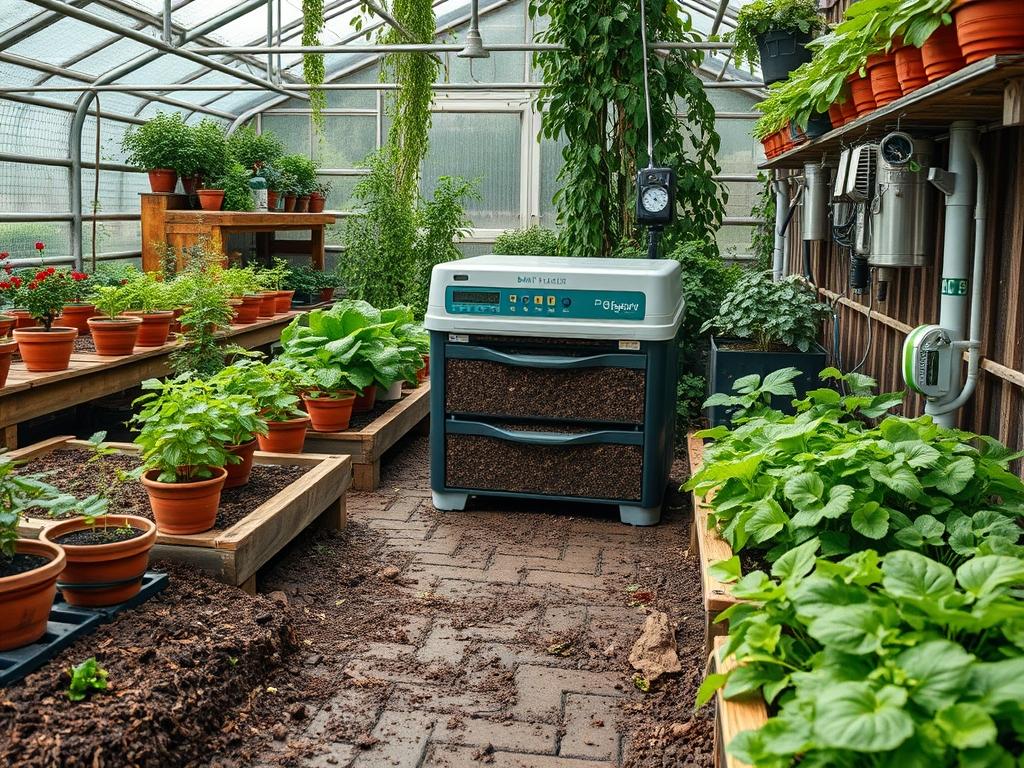
Managing a modern landscape requires more than an artistic eye and a set of pruning shears. As weather patterns become increasingly volatile and outdoor living spaces grow more complex, the reliance on data has moved from a luxury to a professional necessity. Homeowners and estate managers frequently struggle with the invisible variables of soil chemistry, moisture fluctuations, and microclimate shifts that can jeopardize a significant financial investment in greenery. Integrating Smart Garden Cloud Storage into your management workflow allows for the collection and analysis of historical sensor data, turning a reactive maintenance schedule into a proactive preservation strategy. This digital infrastructure ensures that the curb appeal and functionality of the outdoor environment remain consistent across seasons, regardless of external stressors.
Modern landscape architecture aims to blend structural integrity with biological health. When we design a high-end outdoor environment, we consider the immediate visual impact and the long term sustainability of the ecosystem. The challenge lies in the fact that many environmental stressors are not visible to the naked eye until the plant material reaches a point of failure. By utilizing sensors that feed into Smart Garden Cloud Storage, a consultant can track the performance of specific zones within a yard. This allows us to adjust variables such as nutrient delivery or irrigation timing before physical signs of distress appear. Ultimately, the goal is to create a resilient landscape that balances human utility with environmental harmony, ensuring that every flagstone path and ornamental grass serves a distinct purpose.
Landscape Design Principles
Professional landscaping rests on the bedrock of symmetry and visual balance, yet it must remain anchored in functional reality. Visual balance does not always mean mirroring; it refers to the weight of various elements within a sightline. Using a mix of evergreen and deciduous species ensures that the garden maintains its structure during the dormant winter months. Focal points, such as a large granite water feature or a mature Japanese Maple, act as anchors for the eye, around which other elements are layered.
Elevation layers are critical for creating depth and interest in a flat backyard. This is achieved through the use of retaining walls, terraced garden beds, and varying heights of plant material. However, adding elevation changes the way water moves across the property. Proper irrigation planning must account for the natural topography and the subgrade composition. Sensors placed at different elevations can detect if the lower tiers are becoming oversaturated while the upper tiers remain parched. Smart Garden Cloud Storage provides the historical context needed to see if these patterns correlate with specific rainfall events or irrigation cycles, allowing for precise adjustments to the solenoid valves and drip emitters.
Walkways and hardscaping provide the essential skeletal structure of the garden. Whether using permeable pavers, decomposed granite, or poured concrete, these paths must facilitate logical traffic flow while managing runoff. A well-planned walkway guides the visitor through the space, highlighting specific plant groupings or scenic vistas. By integrating lighting and moisture sensors along these paths, designers can monitor how the hardscape affects the surrounding soil temperature and moisture retention.
Plant and Material Selection
Choosing the right components for a landscape involves a careful analysis of the site’s unique characteristics. The following table outlines several popular choices used in temperate and Mediterranean climate designs, focusing on their specific requirements.
| Plant Type | Sun Exposure | Soil Needs | Water Demand | Growth Speed | Maintenance Level |
| :— | :— | :— | :— | :— | :— |
| Boxwood Shrub | Full to Partial | Well-drained | Moderate | Slow | Medium |
| Lavender | Full Sun | Sandy/Loamy | Low | Moderate | Low |
| Hydrangea | Partial Shade | Rich/Moist | High | Fast | Medium |
| Fescue Turf | Full to Partial | Loamy | High | Fast | High |
| Dwarf Olive Tree | Full Sun | Well-drained | Low | Slow | Low |
| Star Jasmine | Full to Partial | Adaptive | Moderate | Fast | Medium |
Selecting the proper soil amendments is just as vital as the plants themselves. Using a high-quality organic compost or sphatnum peat moss can significantly improve the cation exchange capacity of the soil. When data from the cloud indicates a decline in soil health, these are the tools we use to restore the balance.
Implementation Strategy
The transition from a design blueprint to a flourishing garden requires a methodical implementation strategy. The first and most important step is grading. Proper site grading involves moving earth to ensure that water flows away from the home’s foundation and toward designated drainage areas like French drains or bioswales. We use a laser level to verify that the slope is at least a 2 percent grade in critical areas.
Once the ground is shaped, we move to the installation of hardscaping. This includes the setting of retaining walls using Corten steel or natural stone. For every wall over 3 feet in height, we typically install a perforated drain pipe behind the structure to prevent hydrostatic pressure from caused by trapped water. After the bones of the garden are set, the irrigation system is laid out. We prioritize drip irrigation over traditional rotor heads for garden beds to minimize evaporation and fungal issues.
Platning begins with the largest specimens first, such as shade trees and foundation shrubs, followed by smaller perennials and groundcover. Each plant should be set in a hole twice as wide as its root ball. After planting, we apply a 3-inch layer of hardwood mulch to help retain moisture and suppress weeds. During this phase, we also install the environmental sensors. These devices are buried at the root zone of key plant groupings to start sending data to your Smart Garden Cloud Storage. This initial data baseline is crucial for understanding how the newly disturbed soil settles and absorbs water in the first few months.
Common Landscaping Failures
Failure in a landscape often stems from a lack of foresight regarding the growth of biological material. Root overcrowding is a frequent mistake; planting Leyland Cypresses too close together might provide an immediate privacy screen, but within five years, the lack of airflow and light can lead to needle blight and systemic decline. Similarly, ignoring the percolation rate of the soil leads to drainage disasters. If the soil is heavy clay, it will hold water like a bathtub, rotting the roots of sensitive species like Azaleas or Oaks.
Improper spacing is not just a biological issue; it is a maintenance burden. Overcrowded beds are difficult to weed and prune, leading to a cluttered aesthetic that detracts from the property’s value. Soil compaction is another silent killer, often caused by heavy foot traffic or the use of heavy machinery during the construction phase. Compacted soil lacks the pore space necessary for oxygen to reach the roots. By monitoring the soil density and moisture through your Smart Garden Cloud Storage, you can identify areas where the soil is becoming too dense, signaling a need for core aeration or the addition of shale and perlite.
Seasonal Maintenance
Landscape management is a year round commitment that changes with the sun’s trajectory. In the spring, the focus is on rejuvenation. This involves the application of a slow-release fertilizer, the pruning of winter-damaged branches, and the clearing of drainage grates. It is the time to check the irrigation system for leaks using a pressure gauge.
Summer maintenance centers on water management. As temperatures rise, the data in your Smart Garden Cloud Storage becomes the primary guide for irrigation scheduling. We look for trends in evapotranspiration rates to determine if we need to increase the frequency of watering. Mowing heights for turfgrass should be raised to 4 inches to shade the soil and protect the crowns of the grass.
Autumn is the season for preparation and planting. This is the best time to plant new trees and shrubs, as the cooler air and warm soil encourage root growth without the stress of high heat. We also perform fall cleanups, removing fallen leaves that can harbor pests and pathogens if left on the lawn or in the beds.
Winter is about protection and planning. In colder climates, we apply wilt-pruf to evergreens to prevent desiccation from cold winds. We also use this time to review the entire year’s worth of data from the cloud. Analyzing the fluctuations in soil moisture and temperature over the past twelve months allows us to plan budget allocations for the following year, ensuring the landscape remains a high-performing asset.
Professional Landscaping FAQ
What is the primary benefit of cloud-based garden data?
Smart Garden Cloud Storage allows you to track long term trends in soil health and weather. This data helps you identify hidden drainage issues or irrigation leaks before they cause expensive damage to your mature specimen trees and shrubs.
How deep should I install soil moisture sensors?
For most ornamental garden beds, place sensors at a depth of 6 to 12 inches. For larger trees, you may need a second sensor at 18 to 24 inches to ensure water is reaching the deeper root structures.
Which mulch material is best for moisture retention?
Triple-shredded hardwood mulch is excellent for moisture retention and weed suppression. It mats together well, preventing it from washing away during heavy rain, while slowly breaking down to add organic matter back into the underlying soil.
How do I prevent root rot in heavy clay soil?
Improve the drainage by incorporating gypsum and organic matter to break up the clay. Additionally, planting on a slight berm or mound ensures that the root flare remains above the water table during periods of heavy saturation.
Why is historical data better than real-time alerts?
Real-time alerts tell you what is happening now; however, historical data from Smart Garden Cloud Storage reveals patterns. Understanding how your garden reacts to a heatwave over several years allows for better plant selection and more efficient resource management.