
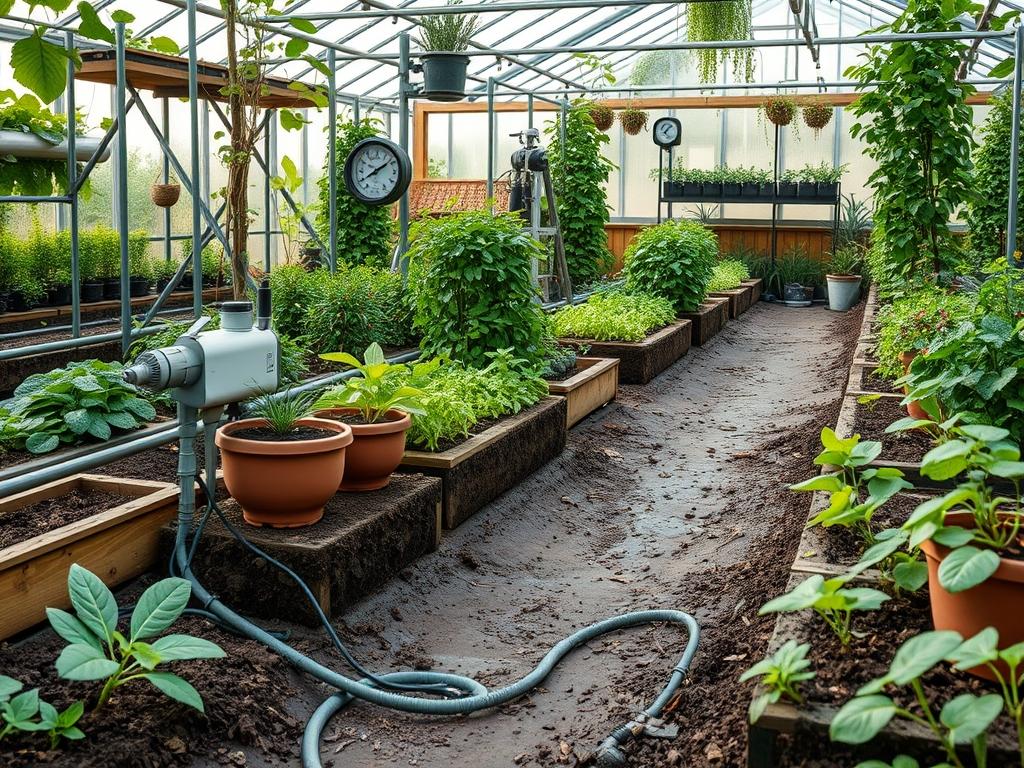
Modern landscape architecture has evolved beyond the simple placement of ornamental shrubs and the installation of basic turf. To create a sustainable, high-value outdoor environment, one must balance aesthetic ambition with mechanical precision. The foundation of any thriving landscape is its water management system. If you invest thousands of dollars in specimen trees and architectural hardscaping but neglect the underlying hydraulics, you risk a catastrophic loss of capital. This is why Smart Irrigation Flow Tech has become a non-negotiable component for high-end residential and commercial properties. A system without flow monitoring is essentially operating blindly; it cannot distinguish between a healthy watering cycle and a ruptured lateral pipe that is slowly eroding the foundation of a Retaining Wall. By integrating precision sensors, property owners gain real-time insights into water consumption, ensuring that every drop serves a purpose rather than contributing to runoff or soil oversaturation.
Designing an outdoor space requires a deep understanding of the site microclimates and the specific needs of the flora inhabiting them. We often see landscapes that look stunning in the first month but decline rapidly due to uneven water distribution or drainage issues. The application of Smart Irrigation Flow Tech allows for a granular level of control that manual systems simply cannot match. It provides the data necessary to adjust schedules based on actual performance rather than theoretical estimates. This technology acts as the central nervous system of the property, reacting to changes in pressure and volume to protect the integrity of the soil and the health of the plants. Whether you are dealing with steep elevation changes or flat expansive lawns, the ability to monitor flow ensures that irrigation is both efficient and effective.
Landscape Design Principles
A successful landscape design relies on the core tenets of symmetry, focal points, and visual balance. When I begin a project, I look at the site as a series of elevation layers. The canopy layer, consisting of large trees like the Quercus virginiana or Acer saccharum, creates the ceiling of the outdoor room. Below that, the understory and shrub layers provide privacy and texture. Each of these layers has distinct water requirements. Without Smart Irrigation Flow Tech, achieving the perfect balance is nearly impossible because different zones require different hydraulic pressures to operate their specific nozzles. Proper irrigation planning must occur simultaneously with the plant layout to ensure that high-flow rotors and low-flow drip lines do not conflict on the same circuit.
Walkways and circulation paths also play a critical role in the spatial layout. The transition from a stone patio to a lush lawn should be seamless, yet these areas involve different soil compaction levels and drainage needs. We use focal points, such as a large Basalt Fountain or a specimen Japanese Maple, to draw the eye and create a sense of destination. However, the infrastructure supporting these features must be robust. High-tech flow monitoring ensures that if a leak occurs near a structural element or a paved walkway, the system shuts down immediately to prevent the sub-base from washing away. This synergy between aesthetic design and technical vigilance is what defines a professional-grade outdoor environment.
Plant and Material Selection
Choosing the right components for your landscape involves matching the biology of the plant to the physics of the environment. The following table outlines several popular choices for modern landscapes and their specific requirements.
| Plant Type | Sun Exposure | Soil Needs | Water Demand | Growth Speed | Maintenance Level |
| :— | :— | :— | :— | :— | :— |
| Buxus microphylla | Full Sun to Part Shade | Well-drained | Moderate | Slow | High (Pruning) |
| Echinacea purpurea | Full Sun | Sandy/Loamy | Low | Medium | Low |
| Pachysandra terminalis | Full Shade | Rich/Moist | Moderate | Medium | Low |
| Hydrangea macrophylla | Part Shade | High Organic Matter | High | Fast | Moderate |
| Taxus baccata | Full Sun to Shade | Neutral pH | Low | Slow | Moderate |
| Liriope muscari | Full Sun to Shade | Any/Tough | Low | Fast | Very Low |
| Cornus florida | Part Shade | Acidic/Moist | Moderate | Medium | Moderate |
When selecting materials like Cedar Mulch or Crushed Granite, consider how they interact with water. Organic Mulch should be applied at a depth of 3 inches to retain moisture, while Gravel is better for areas needing rapid drainage. The efficiency of these materials is significantly enhanced when the irrigation system provides exactly what the soil can absorb, a feat managed best by Smart Irrigation Flow Tech.
Implementation Strategy
The implementation phase is where the vision meets the dirt. It begins with professional Grading, which involves sculpting the land to ensure water moves away from the home foundation. We use Shovels, Trenchers, and sometimes Mini-Excavators to prepare the site for infrastructure. Once the grades are established, we install the main lines and lateral lines of the irrigation system. This is the moment to integrate Smart Irrigation Flow Tech sensors. These sensors are installed immediately after the backflow preventer to monitor the total volume of water entering the system. By established a baseline flow rate for each zone, the controller can detect even a 0.5 gallon per minute deviation.
After the pipes are in the ground, we focus on edging and hardscaping. Steel Edging or Paver Restraints provide clean lines between the lawn and planting beds. We then move to the installation of larger specimen plants, followed by the smaller perennials. Before the Mulch is spread, we conduct a high-pressure test of the entire irrigation system. We check for head-to-head coverage and ensure that no nozzles are misting due to excessive pressure. Finally, a layer of Landscape Fabric may be used in specific gravel areas, though we generally prefer direct soil contact for planted beds to encourage microbial health. The goal is a clean, layered look where the mechanical elements are hidden but fully functional.
Common Landscaping Failures
The most frequent failure in professional landscaping is poor drainage management. When water pools near the root zone of a tree, it displaces oxygen and leads to root rot. Conversely, improper spacing of plants like the Thuja occidentalis often leads to overcrowding within five years, creating a wall of dead interior foliage. Soil compaction is another silent killer, often caused by heavy machinery during construction. If the soil is not properly aerated, even the most expensive Smart Irrigation Flow Tech cannot force water into the root ball. The water simply sheets off the surface, leading to waste and plant stress.
Irrigation inefficiencies are particularly damaging because they are often invisible until the damage is done. A cracked pipe underground can leak thousands of gallons of water over a single month, potentially causing the ground to subside under a Flagstone Patio. Traditional controllers will continue to run the zone as if nothing is wrong. However, a system equipped with Smart Irrigation Flow Tech detects the spike in flow and sends an alert to your smartphone while simultaneously closing the master valve. This prevents the primary causes of landscape failure: overwatering, erosion, and utility bill spikes that can reach hundreds of dollars in a single cycle.
Seasonal Maintenance
Landscape management is a year-round commitment that changes with the tilt of the earth. In the Spring, the focus is on startup and revitalization. We clear away winter debris, apply a pre-emergent herbicide, and perform a full audit of the irrigation system. This is when you calibrate your Smart Irrigation Flow Tech for the new season, ensuring all sensors are clean and reporting accurately. We also apply a fresh 2 inch layer of mulch to help the soil retain the moisture from spring rains.
Summer demands vigilance. As temperatures rise, the evapotranspiration rate increases, and plants like Hostas and Ferns may need supplemental water. In Autumn, we focus on leaf removal and preparing the plants for dormancy. This is the best time for planting new trees, as the cooler air and warm soil encourage root growth without the stress of summer heat. Finally, Winter maintenance involves protecting the infrastructure. We blow out the irrigation lines using an Air Compressor to prevent the PVC pipes from freezing and bursting. We also wrap sensitive shrubs in Burlap to protect them from desiccating winds. By following this seasonal rhythm, you ensure that the landscape remains a lasting asset for the property.
Professional Landscaping FAQ
How does flow technology save money?
It identifies micro-leaks and catastrophic pipe bursts instantly. By automatically shutting off the water source during a malfunction, it prevents high utility bills and expensive structural damage to hardscaping, retaining walls, and surrounding plant life.
Is smart flow technology difficult to install?
The hardware integrates directly into your main irrigation line. Most professional installers can set up the sensors and sync them with a Wi-Fi controller in a few hours, providing immediate protection and data regarding your outdoor water usage.
What is the best mulch for water retention?
Double-shredded hardwood mulch is excellent for moisture conservation. It mats together to create a functional barrier that reduces evaporation, keeping the root zones of your plants cool and hydrated even during the peak of summer heat.
Can I use this tech with old systems?
Yes, most modern smart controllers are backwards compatible with existing valve wires. Adding a flow sensor usually requires only a small section of pipe to be cut and replaced with the sensor housing, making it a viable upgrade for older landscapes.
Why is drainage more important than irrigation?
Poor drainage leads to standing water, which kills plants by drowning the roots and can damage your home’s foundation. While irrigation provides life, drainage manages the excess, ensuring the overall stability and health of the entire outdoor environment.