
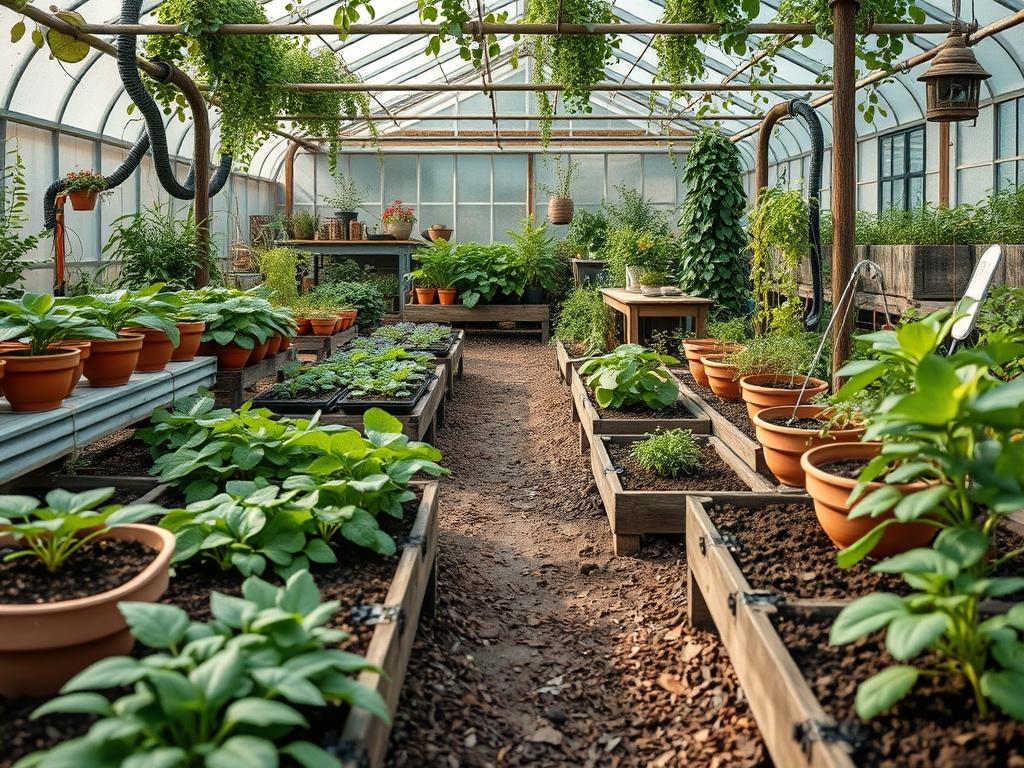
Navigating the complexities of a sprawling residential property requires a sophisticated bridge between natural aesthetics and functional infrastructure. When we design extensive outdoor environments, we often face the challenge of scale. A 1-acre lot presents significantly more variables than a standard suburban plot, particularly regarding climate resilience, curb appeal, and digital connectivity. Modern homeowners demand seamless interaction with their environment, which means the outdoor office or the smart patio must function as reliably as the interior living room. To achieve this, landscape architects are increasingly looking toward Thread Mesh Networking as the primary communication protocol for exterior systems. Unlike traditional Wi-Fi, which struggles to penetrate heavy masonry walls or dense foliage, Thread Mesh Networking creates a resilient, low power web of low-latency devices that grow stronger as the network expands. This architectural approach to connectivity ensures that the beauty of the landscape is never compromised by the frustration of dead zones or dropped signals.
As we plan these environments, we must consider the interplay between the organic and the mechanical. A well-designed landscape utilizes Retaining Walls to manage elevation changes, while also serving as a housing for low-voltage wiring. The goal is to create an outdoor space that feels like a natural extension of the home, prioritizing symmetry and visual balance. By integrating Thread Mesh Networking into the design, we allow smart devices like Soil Moisture Sensors and Automated Bollard Lights to communicate across vast distances without requiring bulky signal repeaters. This technology is particularly superior for large backyards because it eliminates the single point of failure common in star-topology networks. If one outdoor router node is obstructed by a growing Evergreen Hedge, the signal simply reroutes through another device, ensuring the irrigation system and safety lighting remain operational.
Landscape Design Principles
Successful landscape architecture relies on six core principles: symmetry, focal points, elevation layers, irrigation planning, walkways, and visual balance. Symmetry provides a sense of order that the human eye finds inherently calming. This can be achieved through the mirrored placement of Boxwood Shrubs or the balanced arrangement of Basalt Pavers along a central axis. Focal points, such as a Custom Stone Fountain or a majestic White Oak, anchor the viewer’s gaze and provide a sense of destination within the yard.
Elevation layers add depth and interest to a flat lot. By using Natural Stone Retaining Walls, we create “outdoor rooms” that define different functional areas. A raised terrace might serve as a dining area, while a lower sun-ken garden offers a private retreat. Underpinning these layers is a rigorous irrigation plan. We must account for the hydro-zones of different plant species, ensuring that water is delivered precisely where it is needed through Drip Irrigation Lines. Walkways act as the circulatory system of the property, guiding movement through the space. Using materials like Decomposed Granite or Flagstone, we can create paths that feel organic while providing a stable surface for foot traffic. Finally, visual balance ensures that no single part of the garden feels too heavy or cluttered, maintaining a harmonious relationship between the hardscape and the softscape.
Plant and Material Selection
The following table outlines high-performance selections for a resilient and low-maintenance landscape. These choices are designed to thrive in a variety of conditions while providing year-round interest.
| Plant Type | Sun Exposure | Soil Needs | Water Demand | Growth Speed | Maintenance |
| :— | :— | :— | :— | :— | :— |
| Green Giant Arborvitae | Full Sun/Partial | Well-drained | Moderate | Fast | Low |
| English Lavender | Full Sun | Sandy/Alkaline | Low | Moderate | Medium |
| Japanese Maple | Partial Shade | Loamy/Acidic | Moderate | Slow | High |
| Blue Star Creeper | Full/Partial Sun | Moist/Loamy | High | Fast | Low |
| Little Lime Hydrangea | Partial Sun | Rich/Organic | High | Fast | Medium |
| Mexican Feather Grass | Full Sun | Poor/Well-drained| Low | Fast | Low |
Implementation Strategy
The implementation of a large-scale backyard plan begins with a thorough site analysis. We use a Sighting Compass and an A-Frame Level to map the existing topography and identify natural drainage patterns. Once the site is surveyed, we begin the grading process. Proper grading is the most critical step; we must ensure that all water flows away from the home’s foundation and toward designated Swales or Drainage Grates.
Following the rough grade, we install the “nervous system” of the yard. This includes the placement of PVC Conduit for electrical runs and the installation of the Thread Mesh Networking backbone. Because Thread is a self-healing mesh, we strategically place mains-powered devices, such as Weatherproof Smart Outlets or Wired Path Lights, every 30 feet to ensure a dense and reliable mesh. This infrastructure is buried beneath the subgrade before any hardscaping begins.
Once the tech and utility lines are set, we move to hardscaping. This involves laying a base of Crushed Limestone or Class 5 Gravel for patios and walkways. We compact this base using a Power Tamper to prevent future settling. Finally, we transition to the softscape phase. We excavate planting holes at least twice the width of the root ball and backfill with a mixture of native soil and Organic Compost. A 3-inch layer of Hardwood Mulch is then applied to all planting beds to retain moisture and suppress weed growth.
Common Landscaping Failures
The most frequent failure in large-scale landscaping is poor drainage. Without a proper French Drain system or a well-conceived slope, water will pool in low spots, leading to root rot and “the bathtub effect” where plants effectively drown in their own planting holes. Another common mistake is root overcrowding. It is tempting to plant closely for immediate impact, but failing to respect the mature spread of a Norway Spruce or a River Birch will lead to stunted growth and structural issues within a decade.
Soil compaction is another silent killer. During construction, the use of heavy machinery like Skid Steers can pack the soil so tightly that air and water can no longer reach the roots. Professional architects counteract this by deep-tilling the soil or using Air Spades to aerate the ground before planting. Finally, irrigation inefficiencies often plague large properties. Over-reliance on traditional spray heads leads to massive water waste through evaporation. We recommend Pressure-Compensating Drip Emitters which deliver water directly to the root zone, significantly reducing consumption while improving plant health.
Seasonal Maintenance
Seasonal care is vital for protecting your investment. In the Spring, the focus is on renewal. This is the time to apply a Slow-Release Fertilizer and refresh the Mulch beds. We also recommend testing the Thread Mesh Networking signal strength across the property before the foliage becomes too dense, ensuring all Smart Gate Sensors and Outdoor Access Points are communicating correctly.
Summer maintenance revolves around water management and pest control. During heat waves, adjust your Smart Irrigation Controller to water early in the morning to minimize fungus risk. Monitor for invasive species or pests like Japanese Beetles. In Autumn, the priority shifts to cleanup and preparation for dormancy. Rake leaves to prevent them from smothering the turf and perform a “final mow” at a lower height. This is also the time to plant Spring-Flowering Bulbs and winterize your Backflow Preventer.
Winter is the season for structural maintenance. Prune deciduous trees while they are dormant to encourage a strong shape. If you live in a cold climate, ensure that all Outdoor Faucets are drained and covered. While the garden is quiet, review the data collected by your Smart Weather Station over the past year to plan for efficiency improvements in the coming growing season.
Professional Landscaping FAQ
How does Thread Mesh Networking help my garden tech?
Thread creates a dedicated, low-power network where every device talks to its neighbor. This eliminates the need for strong Wi-Fi signals in far corners of your yard, ensuring your Smart Sprinklers and Lights always stay connected.
What is the best way to prevent weeds permanently?
While no solution is permanent, using a professional-grade Geotextile Fabric under 3 inches of Wood Mulch or River Rock provides a significant barrier. Combined with pre-emergent treatments, this approach drastically reduces weed germination and maintenance time.
How do I choose between a retaining wall and a slope?
Use a Retaining Wall if you need to create more usable flat space or manage a grade steeper than 2:1. Slopes are more cost-effective and look more natural, but they require Groundcover Plants to prevent erosion and soil runoff.
Why is native plant selection so important?
Native Plants are adapted to your local climate, soil, and rainfall patterns. They require less supplemental water, fewer fertilizers, and are more resistant to local pests, making them the most sustainable choice for any large-scale professional landscape project.
Can I integrate smart tech into an existing landscape?
Yes. By using Thread-enabled battery or solar-powered devices, you can expand your network without digging new trenches. These nodes will automatically join your existing mesh, providing data on Soil Moisture and Light Levels with minimal site disruption.