
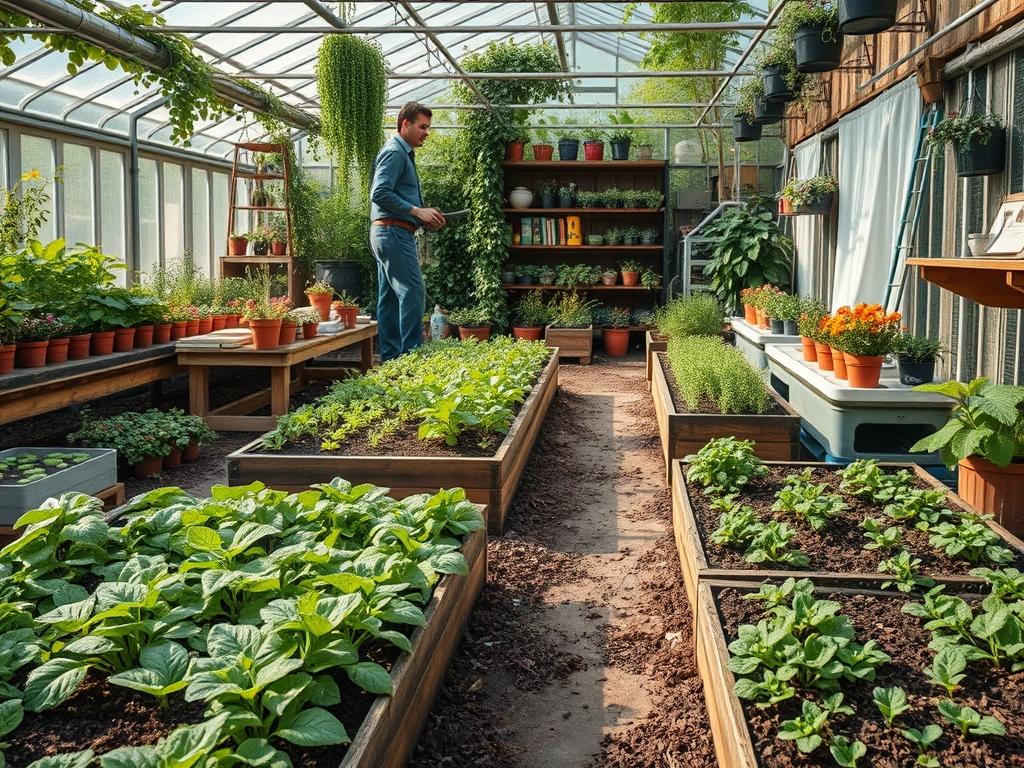
The modern landscape architect no longer views the outdoor environment as a static collection of flora and stone. Instead, we see a complex, living ecosystem that requires precise management to maintain its aesthetic and functional integrity. The primary challenge in contemporary garden design is the fragmentation of environmental controls. Traditionally, managing a high end landscape involved a disparate collection of timers, manual valves, and proprietary lighting apps that rarely communicated with one another. This lack of cohesion often leads to irrigation inefficiencies, astronomical water bills, and poor curb appeal when systems fail to adapt to changing weather patterns. However, the emergence of the Matter Protocol for Gardens is fundamentally shifting how we approach outdoor environments. By providing a universal communication standard, the Matter protocol allows disparate smart devices such as irrigation controllers, outdoor lighting systems, and soil moisture sensors to operate within a single, unified ecosystem. This interoperability ensures that your investment in native plants, custom hardscaping, and complex drainage systems is protected by a responsive, intelligent infrastructure.
LANDSCAPE DESIGN PRINCIPLES
Effective landscape design begins with a rigorous assessment of the site’s topography and existing conditions. We prioritize symmetry and visual balance, which are achieved by mirroring plantings or structural elements across a central axis. This creates a sense of order and calm. Focal points, perhaps a large Japanese Maple (Acer palmatum) or a custom-built stone fountain, serve as the anchor for the visual narrative. Elevation layers are equally critical; we utilize retaining walls and tiered garden beds to create depth. These vertical shifts do more than provide visual interest. They allow for the strategic placement of different plant species based on their specific microclimate needs.
Irrigation planning must be integrated into the initial layout rather than added as an afterthought. We utilize a technique called hydrozoning, where plants with similar water requirements are grouped together. This is where the Matter Protocol for Gardens becomes indispensable. A Matter-enabled smart hub can aggregate data from localized weather stations and ground sensors to adjust water delivery in real time. This ensures that a French drain is not overwhelmed by unnecessary irrigation during a rain event. Walkways should be constructed from durable materials like flagstone or decomposed granite, providing clear circulation paths that prevent soil compaction in planting zones. Visual balance is finally achieved by contrasting textures. Fine-leafed grasses against broad-leafed perennials create a dynamic interplay of light and shadow throughout the day.
PLANT AND MATERIAL SELECTION
| Plant Type | Sun Exposure | Soil Needs | Water Demand | Growth Speed | Maintenance Level |
| :— | :— | :— | :— | :— | :— |
| Boxwood (Buxus) | Full Sun to Shade | Well-Drained | Moderate | Slow | Medium (Pruning) |
| Lavender (Lavandula) | Full Sun | Sandy/Alkaline | Low | Medium | Low |
| Red Maple (Acer rubrum) | Full Sun to Partial | Moist/Acidic | High | Fast | Low |
| Switchgrass (Panicum) | Full Sun | Adaptable | Low | Fast | Very Low |
| Hydrangea (H. macrophylla)| Partial Shade | Rich/Organic | High | Medium | Medium |
| Creeping Thyme | Full Sun | Gritty | Very Low | Medium | Low |
IMPLEMENTATION STRATEGY
The transition from a design blueprint to a finished landscape requires a disciplined, multi-phase implementation strategy. The first phase is always site preparation and grading. We use laser levels to ensure the land slopes away from the home’s foundation at a minimum grade of 2 percent. Proper grading prevents water from pooling and protects your hardscape from shifting over time. Once the grade is established, we install the primary drainage infrastructure. This includes PVC piping, catch basins, and perforated pipes wrapped in geotextile fabric to prevent silt infiltration.
The second phase involves the installation of the hardscape and the technological backbone. We lay down base rock and sand for patios while simultaneously burying conduits for lighting wires and irrigation lines. During this stage, we integrate Matter-compatible smart valves and lighting transformers. Because Matter operates over Thread or Wi-Fi, it is essential to ensure a robust mesh network covers the entire property. We often hide signal repeaters inside weather-resistant utility boxes or disguised landscape boulders.
The final phase is planting and finishing. We dig holes at least twice the width of the plant’s root ball to encourage outward growth. After the specimens are situated, we apply a layer of hardwood mulch at a depth of 3 inches. This mulch layer is vital for moisture retention and weed suppression. Finally, we calibrate the soil sensors and link them to the central Matter controller. This setup allows the garden to “talk” to the irrigation system, ensuring that newly planted rhododendrons receive the consistent moisture they need to establish their root systems without human intervention.
COMMON LANDSCAPING FAILURES
One of the most frequent failures we see in residential landscaping is improper drainage management. When water is not directed away from the property via swales or drain tiles, it leads to soil saturation that can drown plant roots and cause paver stones to buckle. Another common error is root overcrowding. It is tempting to plant closely for immediate impact, but failing to account for the mature width of a Spruce tree or Oak will lead to stunted growth and structural issues. Homeowners often neglect the importance of soil structure. Heavy machinery used during construction frequently causes extreme soil compaction, which prevents oxygen and water from reaching the root zone.
Irrigation inefficiency is also a major concern. Many traditional systems operate on a simple timer, regardless of whether it just rained two inches or the humidity is at 90 percent. This creates a cycle of overwatering that leaches nutrients from the soil and encourages fungal diseases like powdery mildew. The Matter Protocol for Gardens addresses this by allowing the irrigation system to receive data from local anemometers and hygrometers. If the wind speed is too high, the system pauses to prevent water drift. If the soil is already saturated, the system skips the cycle. This level of precision is impossible with legacy hardware.
SEASONAL MAINTENANCE
A professional landscape requires proactive management throughout the year to thrive. In the spring, the focus is on rejuvenation. We use bypass pruners to remove deadwood from ornamental shrubs and apply a slow-release granular fertilizer to the base of heavy feeders. This is also the time to test your Matter-enabled sensors to ensure they survived the winter. Summer maintenance is primarily about hydration and weed control. We monitor the smart irrigation logs to ensure the system is compensating for heat waves. We also check the mulch depth and replenish areas where it has thinned to less than 2 inches.
Autumn is the season for preparation and structural planting. It is the ideal time to plant deciduous trees as they enter dormancy. We also perform a thorough cleaning of all gutters and drainage grates to prevent blockages during winter storms. In colder climates, we winterize the irrigation system by blowing out the lines with a high-volume air compressor to prevent pipe bursts. Winter is also the time to inspect retaining walls and hardscape joints for cracks caused by freeze-thaw cycles. Because the Matter protocol allows for remote monitoring, you can keep an eye on your outdoor lighting and security sensors from the warmth of your home, ensuring your property remains safe and illuminated through the darkest months.
PROFESSIONAL LANDSCAPING FAQ
How does the Matter protocol improve my garden’s water efficiency?
Matter allows soil moisture sensors to communicate directly with irrigation controllers across different brands. This creates a responsive system that only waters when necessary, reducing waste and ensuring plant health by preventing over-saturation or dehydration in specific zones.
What is the most important factor in preventing plant death?
Proper drainage is paramount. Without French drains or correct grading, even the hardiest native plants will suffer from root rot. Ensuring that water moves efficiently away from the root zone is the foundation of a healthy, long-lasting landscape.
Can I integrate old lighting with Matter-enabled systems?
Yes, you can often bridge legacy systems using a Matter-compatible smart plug or transformer. This allows you to include your existing LED path lights in automated routines alongside newer, native Matter devices, providing a unified control interface.
Why is mulch thickness so specific at three inches?
A 3-inch layer of organic mulch is the “sweet spot” for gardens. It is thick enough to suppress weeds and retain moisture, yet thin enough to allow oxygen exchange. Excessive mulching can actually suffocate roots and promote pests.
Do I need a professional to set up a Matter garden?
While Matter simplifies the software side, the physical installation of hardscaping, drainage pipes, and elevation layers usually requires a professional. We ensure the underlying infrastructure is sound before the smart technology layer is applied for maximum reliability.