
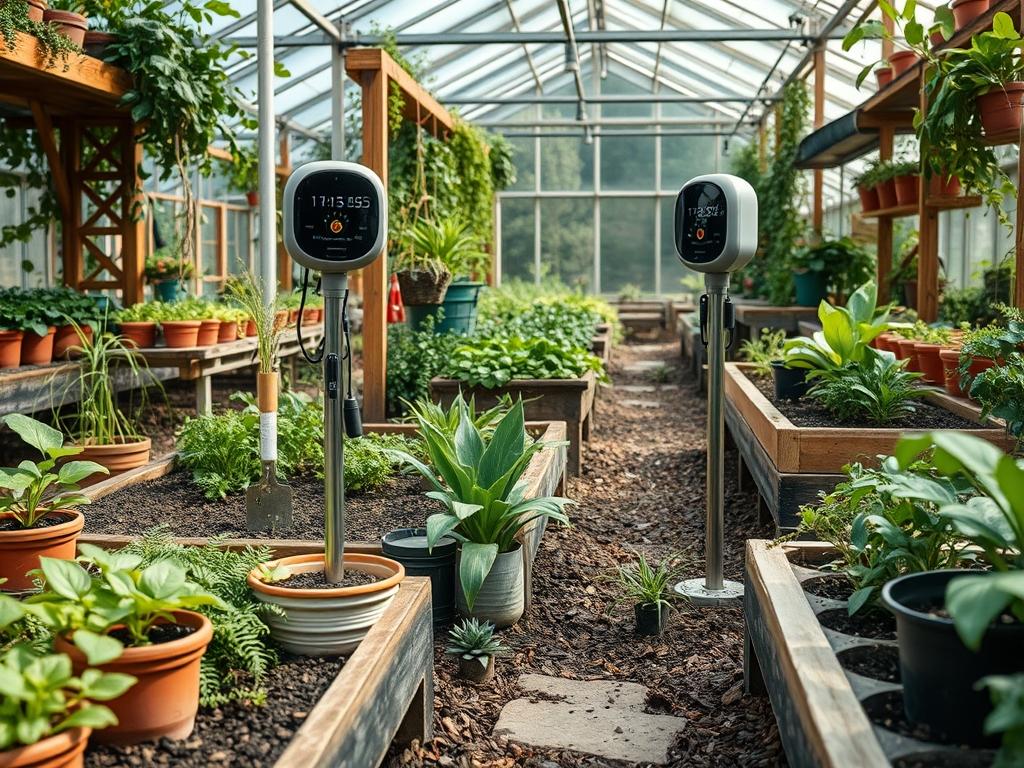
Managing a high-end landscape requires more than a discerning eye for aesthetics; it demands an intimate understanding of the atmospheric variables that dictate plant health and structural integrity. For the modern grower, the traditional method of checking the soil with a finger or glancing at a localized news report is no longer sufficient. Environmental microclimates can vary significantly even within a single acre, where a windward slope might experience rapid desiccation while a low-lying basin remains saturated. Integrating Smart Garden Weather Stations into a landscape design provides the granular data necessary to transition from reactive maintenance to proactive stewardship. This technological integration ensures that curb appeal is not just a seasonal peak but a consistent standard. By monitoring hyper-local wind speed, solar radiation, and humidity, a consultant can fine-tune the outdoor environment to support both the architectural vision and the biological needs of the flora.
Developing a functional outdoor space involves balancing the rigid lines of hardscaping with the organic movement of vegetation. When we design for tech-savvy clients, the goal is to create an ecosystem that responds to real-time data. A well-placed weather station allows for the precise management of high-value assets, such as specimen trees or custom masonry that might be sensitive to freeze-thaw cycles. Atmospheric sensors provide the feedback loop required to justify specific design choices, such as the placement of windbreaks or the installation of automated shade structures. Ultimately, the fusion of professional landscaping and smart technology transforms a garden from a static backdrop into a living, breathing laboratory.
Landscape Design Principles
Successful landscape architecture relies on the foundational principle of Symmetry to create a sense of order and tranquility. In a formal garden, mirrored plantings of Italian Cypress or Boxwood hedges create visual anchors that guide the viewer’s eye toward a central Focal Point, such as a limestone fountain or a contemporary bronze sculpture. However, true balance also requires an understanding of Elevation Layers. By staggering plant heights, from low-growing Groundcover to mid-story Shrubs and dominant Canopy Trees, we create depth and texture that shift with the light throughout the day.
Irrigation planning is perhaps the most critical technical component of the design phase. A landscape architect must map out specific hydrozones, grouping plants with similar moisture requirements to prevent the common mistake of overwatering drought-tolerant species. This is where Smart Garden Weather Stations become indispensable. Instead of relying on a preset timer, the irrigation controller utilizes evapotranspiration data from the station to calculate exactly how much water has been lost to the atmosphere. This prevents runoff and protects the integrity of Walkways and Retaining Walls from water-related erosion. Furthermore, the visual balance of the site is maintained because plants are neither stunted by thirst nor yellowed by anaerobic soil conditions.
Plant and Material Selection
Selecting the right materials involves a rigorous analysis of the site’s topography and the local hardiness zone. Below is a selection of plants frequently utilized in professional designs that benefit from data-driven management.
| Plant Type | Sun Exposure | Soil Needs | Water Demand | Growth Speed | Maintenance Level |
| :— | :— | :— | :— | :— | :— |
| Japanese Maple | Partial Shade | Acidic, Well-Drained | Moderate | Slow | Medium |
| Lavender | Full Sun | Sandy, Alkaline | Low | Moderate | Low |
| Hydrangea Macrophylla | Morning Sun | Loamy, Moist | High | Fast | High |
| Blue Star Creeper | Full Sun to Shade | Neutral, Moist | Moderate | Fast | Low |
| Dwarf English Boxwood | Full Sun to Shade | Well-Drained | Moderate | Slow | High (Pruning) |
| Switchgrass | Full Sun | Varied, Adaptable | Low | Moderate | Low |
For hardscaping, we prioritize materials like Permeable Pavers and Natural Flagstone. These choices are influenced by the regional precipitation data collected by on-site weather sensors. If the data shows high-intensity rain events, we might opt for a River Rock swale to manage drainage rather than a standard lawn extension.
Implementation Strategy
The implementation of a professional landscape begins with site preparation, specifically Grading. We must ensure that the land slopes away from the foundation of any structures at a minimum pitch of 2 percent. This prevents moisture from compromising the basement or crawlspace. Once the rough grade is established, we install Drainage Pipe and Catch Basins in areas identified as potential collection points.
Following the installation of hardscape elements like Decks and Masonry Walls, we focus on Edging. Using Aluminum Edging or Corten Steel, we define the boundaries between the turf and the planting beds. This provides a clean aesthetic and prevents aggressive grasses from encroaching on delicate perennials. When it is time for planting, each specimen is placed in a hole twice as wide as the root ball but no deeper. We finish the beds with a 3 inch layer of Organic Cedar Mulch to suppress weeds and retain moisture. The Smart Garden Weather Stations are calibrated during this phase to ensure the Anemometer is clear of any obstructions like overgrown branches or rooflines, allowing for accurate wind measurements from the start.
Common Landscaping Failures
One of the most frequent errors in residential landscaping is improper drainage planning. When water is allowed to stagnate near the root zone, it leads to soil compaction and root rot, effectively suffocating the plant. Without the data from Smart Garden Weather Stations, homeowners often over-irrigate during humid periods when evaporation is low, exacerbating the problem. Another significant failure is root overcrowding. Planting a White Oak or Norway Maple too close to a Sidewalk or Retaining Wall will inevitably lead to structural damage as the root flare expands over time.
Improper spacing is not just a structural issue but a health issue. High-density planting without adequate airflow creates a breeding ground for fungal pathogens like powdery mildew. If the weather station reports high humidity and low wind speeds for an extended duration, the tech-savvy grower knows to increase pruning to improve air circulation. Lastly, irrigation inefficiencies often stem from a “set it and forget it” mentality. Using a Rain Gauge helps, but a smart station that measures soil moisture at multiple 6 inch and 12 inch depths is the only way to ensure the water is actually reaching the root architecture.
Seasonal Maintenance
Seasonal transitions require distinct management protocols to protect the landscape investment. In the Spring, the focus is on soil health and revitalization. We apply a slow-release Fertilizer and conduct a thorough Core Aeration to combat soil compaction from winter snow loads. This is also the time to inspect the Irrigation Valves and clean the sensors on your weather station to ensure accuracy for the growing season.
As we move into Summer, the priority shifts to heat stress management. We monitor the Heat Index via the weather station, adjusting irrigation cycles to occur in the early morning hours to minimize evaporation. Pruning Shears are used to remove spent blooms, encouraging a second flush of flowers. In Autumn, we prepare for dormancy. This involves a final application of Mulch to insulate roots and the planting of Spring Bulbs like Tulips and Daffodils. We also shut down and blow out the irrigation lines to prevent freeze damage. During the Winter, maintenance focuses on structural integrity. We use a Snow Shovel or Broom to gently remove heavy snow from the branches of Evergreens to prevent limb breakage. The weather station remains active to monitor for extreme cold snaps that might require the use of Horticultural Fleece to protect tender species.
Professional Landscaping FAQ
How do weather stations improve irrigation efficiency?
They provide real-time evapotranspiration data, allowing the system to replace only the water lost to the atmosphere. This prevents overwatering, reduces utility costs, and ensures that the root zones of Ornamental Grasses and Shrubs maintain optimal moisture levels without saturation.
What is the best way to prevent soil erosion on slopes?
Utilizing Creeping Juniper or other deep-rooted Groundcover helps bind the soil. Combining this with Terracing and Jute Matting provides physical stability while the plants establish, particularly during heavy rain events recorded by your Smart Garden Weather Stations.
Does mulch really help with weed control?
Yes, a 3 inch layer of Hardwood Mulch blocks sunlight from reaching weed seeds and maintains consistent soil temperature. As it decomposes, it improves soil structure, though it must be replenished annually to remain effective against aggressive weed species.
When is the best time to prune most deciduous trees?
Late winter or early spring, while the trees are still dormant, is generally ideal. Pruning before the sap flows reduces stress on the tree and makes it easier to see the structure of the Branches without the obstruction of foliage.
How can I protect my hardscaping from winter damage?
Ensure all Pavers are properly sealed and that drainage systems are clear of debris. Monitoring the freeze-thaw cycles through your weather station helps you anticipate when to avoid using harsh De-icing Salts, which can pit and damage Concrete and Natural Stone.