
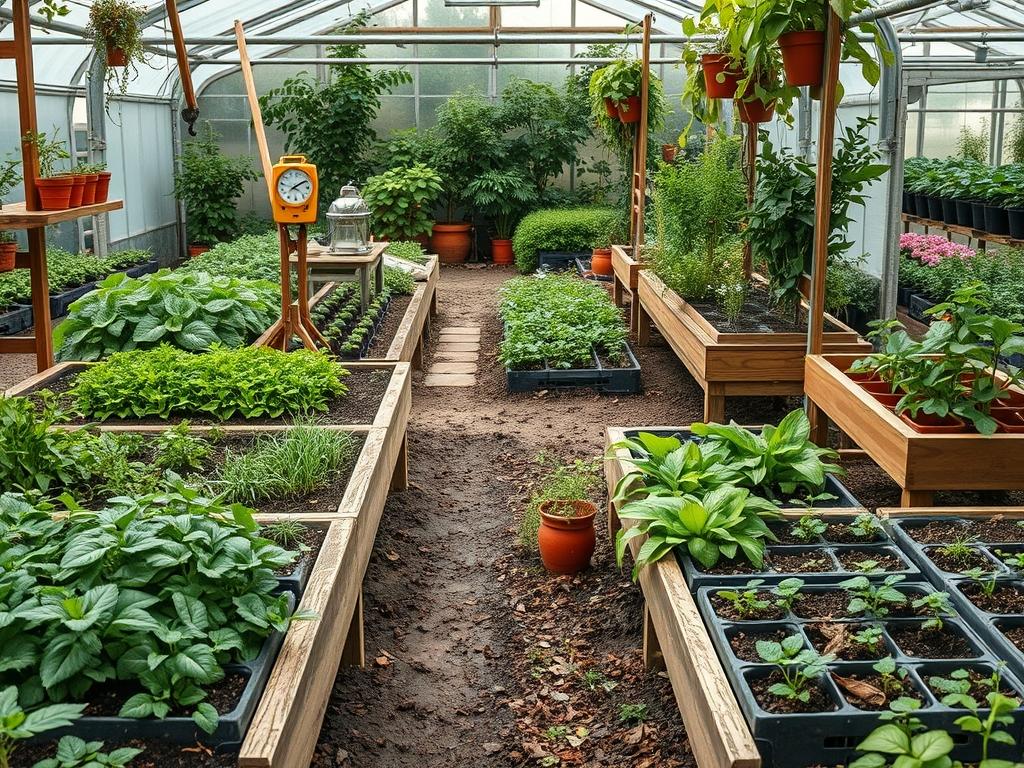
Maintaining a high end residential landscape requires more than just an occasional application of fertilizer and regular mowing. It demands a rigorous, analytical approach to environmental management that spans years, not just weeks. Traditional methods of record keeping, such as paper notebooks or physical binders, often fall short when confronted with the dynamic variables of a complex outdoor environment. As we transition toward smarter home management, digital garden journals have emerged as indispensable tools for the modern landscape architect and the dedicated property owner. These digital systems offer a level of precision in tracking drainage patterns, soil amendments, and irrigation schedules that paper simply cannot match. When a designer plans for curb appeal, they are not just looking at the current visual impact but are projecting the biological growth of the site five or ten years into the future. Digital tracking facilitates this foresight by providing a searchable, permanent, and scalable repository of site data that informs every structural and botanical decision.
The primary challenge in professional landscaping is managing the variables of local climate and microclimates. A property may have one corner that suffers from wind desiccation while another area remains perpetually damp due to shadows cast by the primary residence. Paper journals are prone to damage from the very elements they seek to document; a sudden rainstorm or a spilled bucket of Liquid Seaweed Fertilizer can erase a season of observations. Digital garden journals, conversely, allow for cloud based backups and instant mobile access. This ensures that critical data regarding grading or the depth of a French Drain is available at the touch of a screen, right when a contractor needs to see it. By integrating digital tracking into the garden planning process, homeowners can move beyond guesswork and achieve a higher level of outdoor functionality and long term sustainability.
Landscape Design Principles
Effective landscape design is rooted in the interplay between architectural lines and biological growth. Symmetry is often the first principle applied; it provides a sense of order and formality that anchors the property. When utilizing a digital garden journal, a designer can track the growth rates of Emerald Green Arborvitae planted in pairs to ensure they are developing at the same pace. If one tree lags behind, the digital record can highlight differences in its specific Irrigation Pipe pressure or soil pH levels recorded during the planting phase. This level of granularity ensures that visual balance is maintained over the life of the landscape.
Focal points and elevation layers provide the vertical interest necessary to break the monotony of a flat yard. Using a digital system allows for the precise mapping of Retaining Walls and the calculation of the volume of Backfill required for tiered gardens. Elevation is not merely about aesthetics; it is a critical component of hydraulic management. A digital journal can store structural diagrams and photos of the Footings for a stone wall, providing future reference if movement or settling occurs. Furthermore, walkways must be planned not just for their material beauty, such as Flagstone or Decomposed Granite, but for their ability to direct foot traffic without compacting the root zones of adjacent specimen trees. Digital tracking allows for the overlay of historical movement patterns against plant health data, revealing if a path needs widening or a different Mulch application to protect the soil structure.
Plant and Material Selection
The success of any landscape depends on selecting the right biological assets for the specific environmental conditions of the site. The following table outlines standard selections that require precise tracking via digital garden journals to monitor performance and health over time.
| Plant Type | Sun Exposure | Soil Needs | Water Demand | Growth Speed | Maintenance Level |
| :— | :— | :— | :— | :— | :— |
| Japanese Maple | Partial Sun | Acidic, Well-drained | Moderate | Slow | Moderate |
| Lavender | Full Sun | Sandy, Alkaline | Low | Fast | Low |
| Hostas | Full Shade | Rich, Loamy | Moderate | Medium | Low |
| Switchgrass | Full Sun | Adaptive | Low | Fast | Very Low |
| Boxwood Hedge | Full/Partial Sun | Loamy, Neutral | Moderate | Slow | High |
| Lenten Rose | Shade | Moist, Organic | Moderate | Slow | Low |
Selecting the correct Hardscaping materials is equally vital. A digital journal should track the source and batch number of Pavers or the specific mix of Concrete used for a patio. This information is invaluable if a repair is needed years later, as it allows for an exact aesthetic match. Material longevity is often tied to local weather cycles; tracking the degradation of Cedar Fencing or the wear on Composite Decking through digital photography allows for predictive maintenance rather than reactive repairs.
Implementation Strategy
Implementing a professional garden layout begins with clear site preparation and a thorough understanding of the existing topography. The first step is Grading, which involves sculpting the land to ensure water moves away from the foundation of the home. A 2 percent slope is generally the minimum required for effective surface drainage. During this phase, a digital garden journal is used to log the locations of underground utilities and the paths of PVC Irrigation Lines. It is far easier to take a photo of an open trench with a Measuring Tape for scale than it is to try and remember those positions after the Topsoil has been spread.
Once the grade is established, Edging should be installed to define the borders between turf and planting beds. Whether using Steel Edging or Plastic Benders, this structural element prevents the encroachment of aggressive grasses into delicate perennial zones. Next, the focus shifts to soil preparation. Applying Organic Compost and checking its integration depth with a Garden Fork or Rotary Tiller should be documented in the digital log. This creates a historical baseline for soil fertility. Finally, the application of Mulch—ideally at a depth of 3 inches—serves to regulate soil temperature and moisture. By recording the exact volume of Bark Mulch or Wood Chips used, property owners can accurately estimate their material needs for subsequent years, reducing waste and cost.
Common Landscaping Failures
The most frequent failure in residential landscapes is poor drainage. Many property owners focus on the surface appearance and ignore the subterranean movement of water. This leads to the “bathtub effect,” where a planting hole in heavy clay soil traps water, effectively drowning the plant roots. Using a digital journal to record “perc tests” or the speed at which a hole drains during a rainstorm can prevent the loss of expensive Specimen Trees. Another common error is root overcrowding. It is tempting to plant closely for “instant” curb appeal, but without consulting the mature width of a species, plants will eventually compete for light and nutrients. Digital journals can store the “as-planted” spacing versus the “mature” spacing, prompting the owner to thin or prune the garden before it becomes a tangled thicket.
Improper spacing also affects airflow, which can lead to fungal diseases in species like Rose Bushes or Crepe Myrtles. Soil compaction is another silent killer of landscapes. Heavy machinery used during construction often leaves the ground as hard as concrete, preventing root penetration. A digital record of where heavy equipment was staged can alert a landscaper to areas that require deep core Aeration. Lastly, irrigation inefficiencies often stem from a “set it and forget it” mentality. Digital tracking allows for the adjustment of Smart Irrigation Controllers based on actual seasonal performance, preventing the overwatering that leads to root rot or the underwatering that causes leaf scorch.
Seasonal Maintenance
Landscape management is a year round commitment that changes with the transit of the sun. In the spring, the focus is on reactivation. This includes testing the Irrigation System for leaks, applying a pre-emergent herbicide to prevent Crabgrass, and pruning dead wood from Deciduous Shrubs. Recording these dates in a digital journal helps predict the “bloom window” for the following year. Summer maintenance shifts toward moisture preservation. It is the time to monitor for heat stress and ensure that the Mulch layer remains intact. Digital logs can track the frequency of Drip Irrigation cycles during heatwaves, providing a data set for future climate adaptation.
As autumn arrives, the priority becomes preparation for dormancy. This is the ideal time for planting Spring Bulbs and applying a “winterizer” fertilizer to the turf. Digital journals can map exactly where bulbs are buried so they are not accidentally dug up during spring weeding. Finally, winter maintenance involves protecting sensitive plants from frost and ensuring that heavy snow does not break the limbs of Evergreens. If a Burlap Wrap is used for protection, the digital journal can note which plants required it and how they performed, allowing for better plant selection or placement in the future.
Professional Landscaping FAQ
How do digital journals improve irrigation efficiency?
Digital journals allow you to track water usage alongside weather patterns. By recording when you adjust your Irrigation Controller, you can identify the minimum amount of water needed to keep plants healthy, reducing waste and lowering monthly utility bills significantly.
Can I track soil health digitally over time?
Yes. You can upload results from Soil Test Kits directly to your digital journal. This allows you to visualize trends in pH and nutrient levels, ensuring you apply the correct amount of Sulfur or Lime only when necessary.
Why is photo documentation better than written notes?
Photos capture details that notes miss, such as the exact color of a leaf or the location of a Valve Box. Digital journals organize these images chronologically, making it easy to see growth rates and identify early signs of pest infestations.
How does digital tracking help with landscape warranties?
If a contractor installs a Retaining Wall or expensive trees, a digital journal provides a timestamped record of your maintenance. This proof of proper care is vital if you need to file a warranty claim for material failure or plant death.
Is it difficult to switch from paper to digital?
Most digital garden journals are designed for mobile use, making the transition simple. You can start by photographing your existing paper logs. The ability to search your notes and set automated reminders for Mulching makes the digital shift highly efficient.