
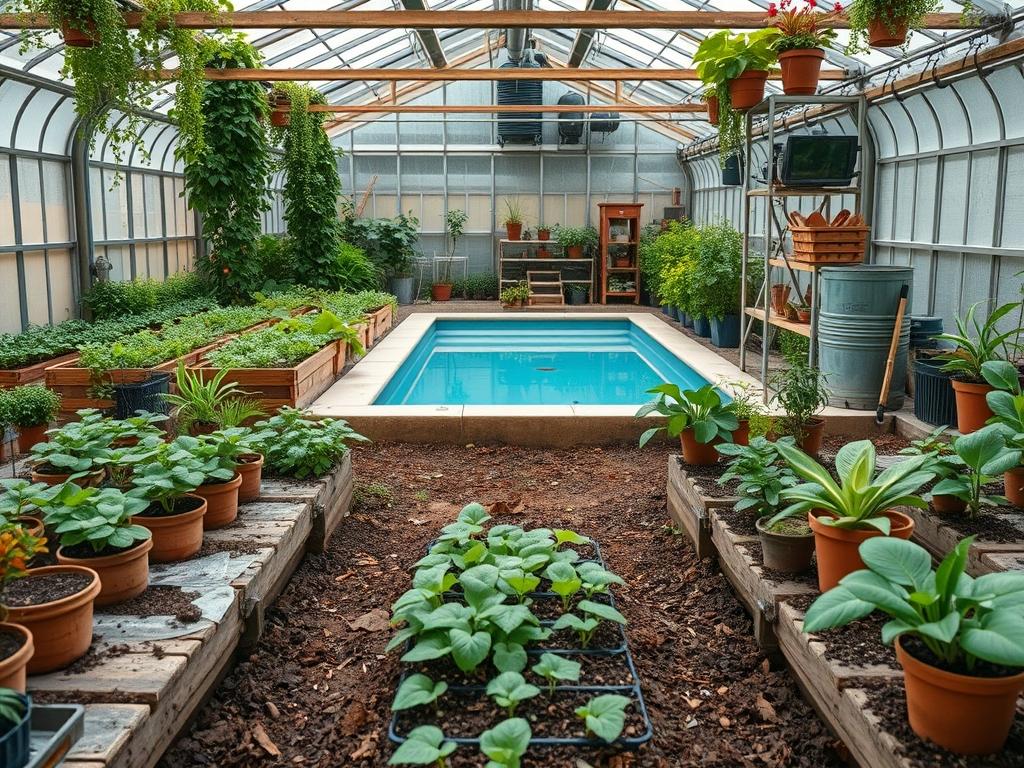
Integrating a sophisticated aquatic environment into a residential landscape requires more than just an eye for aesthetics; it demands a rigorous understanding of the interaction between organic matter and water chemistry. When property owners invest in Smart Pool Chemistry Tech, they are often seeking a seamless, low-maintenance lifestyle. However, the surrounding environment serves as the primary external driver of chemical fluctuations. Wind-blown debris, nutrient-rich soil runoff, and invasive root systems can easily overwhelm even the most advanced automated dosing systems. A professional landscape architect views the backyard as a closed-loop system where the structural elements, the biological components, and the mechanical hardware must exist in a state of controlled equilibrium. By designing with precision, we can minimize the workload on chemical controllers and ensure that the water remains crystal clear with minimal intervention.
Effective landscaping around a modern pool area addresses four primary pillars: curb appeal, environmental functionality, privacy, and technical accessibility. The goal is to create a transition zone that redirects runoff away from the pool basin while providing a visual frame that highlights the water as the central focal point. Poorly planned greenery can lead to high phosphates and nitrogen levels in the water, fueling algae blooms that force Smart Pool Chemistry Tech to work overtime. Conversely, a well-engineered landscape acts as a peripheral filter, catching dust and organic debris before they ever cross the coping. Every choice, from the density of the Decorative Stone to the specific species of Evergreen Hedges, carries a consequence for the water’s pH and total alkalinity.
Landscape Design Principles
Symmetry and visual balance form the foundation of any high-end outdoor environment. Around a pool, this often manifests as a reflection of the geometric lines of the water feature itself. If the pool utilizes a sleek, rectangular design, the surrounding walkways and planting beds should echo those crisp angles. Focal points are equally critical; these are the areas where the eye naturally rests. A well-placed Basalt Water Feature or a specimen tree like a Japanese Maple can provide a sense of scale and permanence. We use elevation layers to create depth, often implementing Retaining Walls to manage slopes and prevent soil erosion. This layering approach allows for distinct zones of use, separating the lounge area from the mechanical equipment pad where the Smart Pool Chemistry Tech is housed.
Irrigation planning is perhaps the most overlooked aspect of pool-side design. High-volume spray heads should never be positioned to drift into the pool water, as tap water often contains high levels of calcium and metals that disrupt the chemical balance. Instead, professional architects specify Drip Irrigation Systems buried beneath a layer of Landscape Fabric. This delivers water directly to the root zones of the plants, preventing overspray and reducing evaporation. Furthermore, walkways must be designed with a slight 1% to 2% grade sloping away from the pool edge. This ensures that rainwater, which often carries acidic contaminants from the atmosphere, is channeled into Trench Drains rather than into the pool. Visual balance is maintained by mixing textures, such as the smoothness of Honed Travertine Pavers against the soft, fine foliage of Ornamental Grasses.
Plant and Material Selection
Selecting the right biological life for a pool environment is a technical exercise in risk management. We prioritize plants that do not shed needles, berries, or heavy pollen. The table below outlines several species and materials that complement the use of automated pool systems.
| Plant Type | Sun Exposure | Soil Needs | Water Demand | Growth Speed | Maintenance Level |
| :— | :— | :— | :— | :— | :— |
| Buxus microphylla | Full to Part Sun | Well-drained | Moderate | Slow | Low |
| Trachelospermum jasminoides | Full Sun | Loamy/Rich | Moderate | Medium | Medium |
| Miscanthus sinensis | Full Sun | Any / Adaptable | Low | Fast | Low |
| Lagerstroemia | Full Sun | Well-drained | Low | Medium | Low |
| Mexican Beach Pebble | N/A | N/A | N/A | N/A | Very Low |
| Decomposed Granite | N/A | N/A | N/A | N/A | Low |
For hardscaping, we recommend non-porous materials. Porcelain Pavers are an excellent choice because they resist salt and chlorine damage while remaining cool to the touch. Unlike natural limestone, which can leach calcium into the water and raise the pH, porcelain is chemically inert. If natural stone is preferred, it must be treated with a high-quality Siloxane Sealer to prevent crumbling and mineral runoff.
Implementation Strategy
The transition from a blueprint to a finished backyard requires a methodical implementation strategy. The process begins with site grading, which is the most critical step for the longevity of both the landscape and the pool. Using a Laser Level, the installer must verify that the entire perimeter directs water toward a French Drain or a designated swale. Once the rough grade is established, the installation of Hardscaping begins. This involves laying a sub-base of Crushed Limestone (at least 4 inches deep) and compacting it with a Vibratory Plate Compactor to prevent future settling.
After the structural elements are in place, we focus on the planting beds. We install a Polyethylene Edging to create a sharp boundary between the lawn and the mulch beds. This prevents grass from creeping into the pool area and keeps windblown mulch out of the skimmers. When applying mulch, we prefer Triple-Shredded Hardwood or Lava Rock. Light, airy mulches like pine straw should be avoided, as they frequently blow into the water, clogging filters and introducing tannins that stain the pool surface. Finally, the Smart Pool Chemistry Tech sensors are calibrated after the landscape is fully installed, ensuring they are tuned to the specific environmental load of the new garden.
Common Landscaping Failures
The most frequent error in backyard planning is the improper management of drainage. If a heavy rain event allows mud to wash over the coping, the pool chemistry will be ruined for weeks. Soil contains high concentrations of phosphates, which act as a direct fertilizer for algae. A single washout can require a massive chemical shock, negating the efficiency of automated systems. Another common failure is root overcrowding. Planting large canopy trees like Oak or Willow too close to the pool shell can lead to structural cracks or perforated plumbing lines. We generally recommend a minimum setback of 15 feet for any tree with an aggressive root system.
Improper spacing of privacy hedges is also a recurring issue. While homeowners want immediate screening, planting Leyland Cypress too densely leads to poor air circulation; this creates a breeding ground for fungal diseases that can eventually drop spores into the pool. Soil compaction is the final silent killer. During construction, heavy machinery compresses the earth, destroying the pore spaces needed for roots to breathe. Without a professional Aeration and the addition of Soil Conditioners, even the hardiest plants will struggle to survive in the years following the pool installation.
Seasonal Maintenance
Landscape management is a year-round commitment that changes with the sun’s trajectory. In the spring, the focus is on Soil Testing and the application of pre-emergent weed control. This is the time to check the Drip Irrigation lines for leaks that might be saturating the ground near the pool. Summer maintenance involves precise pruning to manage the height of hedges and ensuring that any flowering plants are deadheaded before they drop petals into the water. Deep watering should be performed in the early morning to minimize humidity around the pool equipment.
Autumn presents the greatest challenge to pool chemistry. Deciduous trees must be monitored closely; any leaves that enter the water will decay and release organic carbon, which consumes chlorine rapidly. We recommend installing Temporary Leaf Netting over the water if the surrounding canopy is dense. In the winter, the priority shifts to structural integrity. If you live in a climate with freeze-thaw cycles, check the Mortar Joints on stone walls and ensure the pool’s Winter Cover is not collecting debris that could leach through the mesh. Keeping the area clean during the dormant season makes the spring startup much easier for your Smart Pool Chemistry Tech to handle.
Professional Landscaping FAQ
How do plants affect pool pH levels?
Plants drop organic matter like leaves and pollen into the water. As these decompose, they release CO2 and organic acids, which typically lower the pH and consume the sanitizers managed by your Smart Pool Chemistry Tech.
Which mulch is safest for pool-side gardens?
Pine Nuggets or Large River Rock are the safest options. They are heavy enough to resist wind and water movement, preventing them from floating into the pool and clogging the filtration system or mechanical cleaners.
Can I use fertilizer near the pool?
Yes, but use only Low-Phosphate, Slow-Release Granular Fertilizer. Avoid liquid sprays that can drift into the water. Excessive nitrogen or phosphorus in the pool will lead to uncontrollable algae growth and sensor interference.
How far should my flower beds be from the water?
We recommend at least a 3-foot buffer zone made of non-slip Hardscaping. This prevents soil from washing into the pool during storms and provides a clean walking path for maintenance and chemical testing.
What is the best way to hide pool equipment?
Using an Open-Slat Cedar Screen combined with Upright Evergreens like Sky Pencil Holly is highly effective. This provides visual concealment while allowing the necessary airflow for the heaters and chemical dosing pumps to function safely.