
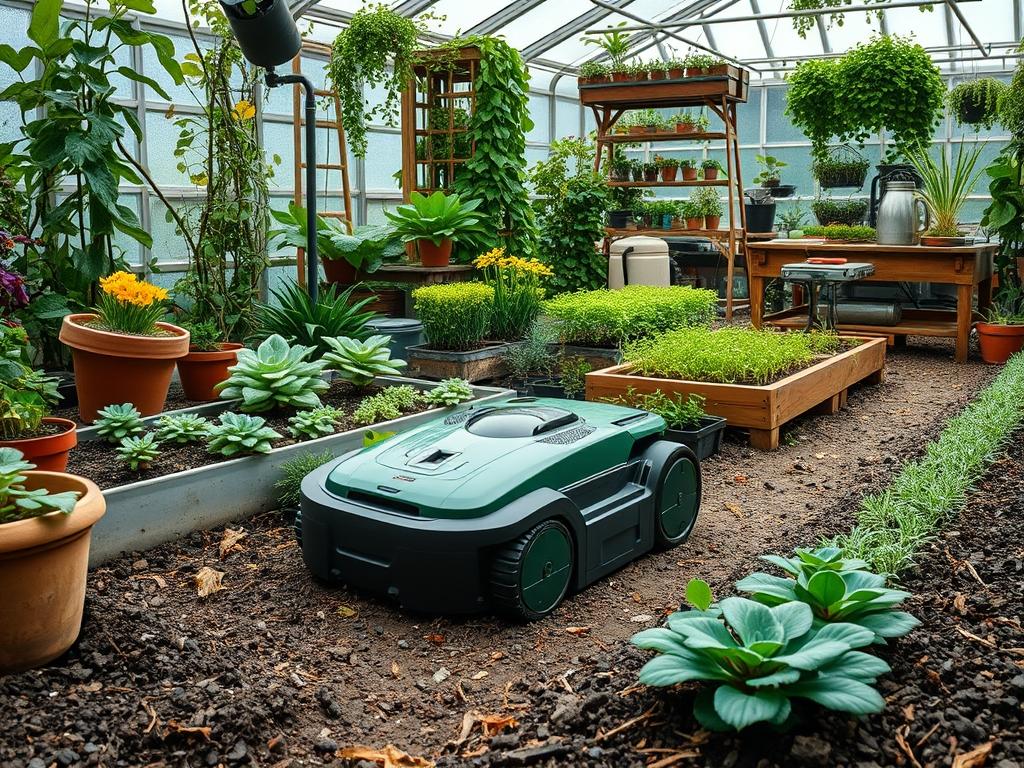
The modern residential landscape is far more than a simple patch of grass; it is a sophisticated ecosystem that functions as an extension of the home interior. Homeowners today view their outdoor spaces as sanctuary environments where aesthetics must intersect with high level functionality. Achieving this balance requires a rigorous approach to curb appeal and soil health. One of the primary challenges in maintaining a world class landscape is the consistency of turf management. Traditional mowing cycles often result in a “cut and recover” stress loop for the grass, where the blades are sheared off at significant lengths once a week. This process stunts root development and creates uneven growth patterns. In contrast, integrating autonomous technology allows for a continuous maintenance cycle. A frequent robotic lawn mower review reveals that these devices maintain a yard at a surgical precision previously only possible on professional golf courses. By removing just a fraction of a millimeter of the grass blade daily, these machines return vital nitrogen to the soil through micro-clippings. This constant nurturing eliminates the need for heavy chemical fertilizers and preserves the pristine visual texture that serves as the foundation for all other design elements.
Landscape Design Principles
Effective landscape architecture relies on the foundational concepts of symmetry and focal points to guide the eye across the property. When planning a yard, we must consider the horizontal plane of the lawn as the negative space that allows vertical elements to shine. Visual balance is achieved by mirroring plantings or structural elements on either side of a central axis, often the front door or a main walkway. Such walkways should be constructed from durable materials like natural slate or permeable pavers to ensure longevity. Irrigation planning is another critical pillar. A well designed system uses subsurface drip lines for garden beds and high efficiency rotors for turf areas, ensuring that water is delivered precisely where it is needed without wasting resources through evaporation.
Elevation layers provide the necessary depth to keep a yard from looking two dimensional. This involves transitioning from low lying groundcovers to mid-level shrubs and eventually to a canopy of shade trees. Within these layers, we must establish clear focal points, such as a large granite boulder, a fountain, or a specimen plant like a Japanese Maple. These elements act as anchors for the overall design. Furthermore, the boundary between the turf and the planting beds must be sharp and well defined. Using a steel landscape edger or a brick border creates a physical stop that assists in the navigation of autonomous equipment. When the lawn is perfectly level and the edges are crisp, the entire property gains an air of intentional, high end sophistication that traditional maintenance methods struggle to replicate consistently.
Plant and Material Selection
Selecting the right flora requires a deep understanding of the local microclimate and soil composition. The following table provides a breakdown of common plants used in professional landscape designs to achieve a balance of texture and durability.
| Plant Type | Sun Exposure | Soil Needs | Water Demand | Growth Speed | Maintenance Level |
| :— | :— | :— | :— | :— | :— |
| Boxwood | Full Sun to Partial Shade | Well-drained, Loam | Moderate | Slow | Moderate |
| Lavender | Full Sun | Sandy, Alkaline | Low | Moderate | Low |
| Hydrangea | Partial Shade | Rich, Humus-heavy | High | Fast | Moderate |
| Dwarf Fountain Grass | Full Sun | Adaptable | Low | Moderate | Low |
| Creeping Thyme | Full Sun | Poor to Average | Low | Fast | Very Low |
| Hostas | Full Shade | Moist, Fertile | Moderate | Moderate | Low |
Implementation Strategy
The successful execution of a landscape plan begins with proper grading. This is the process of leveling the land to ensure that water flows away from the home foundation and toward designated drainage zones. A 1 to 2 percent slope is typically sufficient to prevent pooling without being visually disruptive. Once the grade is established, hardscaping elements like retaining walls should be installed. These walls are not only decorative but serve the functional purpose of managing soil erosion on sloped lots. They should be built using high quality materials such as interlocking concrete blocks or natural fieldstone to provide structural integrity.
Following the hardscape, the focus shifts to soil preparation. We recommend a layer of topsoil enriched with organic compost to a depth of at least 6 inches for new turf areas. Once the sod is laid or seed is spread, the edging must be installed. For those utilizing modern technology, this is the stage where boundary wires or GPS mapping systems for a robotic unit are calibrated. The goal is to create a seamless path for the mower that includes a zero turn radius around obstacles. Finally, apply a layer of hardwood mulch at a depth of 3 inches in all gardening beds. This prevents weed germination and regulates soil temperature, protecting the root systems of your ornamental plants throughout the changing seasons.
Common Landscaping Failures
The most frequent error in residential landscaping is the neglect of proper drainage. Without a functional French drain or a catch basin system, heavy rains can wash away expensive mulch and drown delicate root systems. Another common issue is root overcrowding. Many homeowners plant shrubs too close together, failing to account for their mature width. Within five years, these plants compete for nutrients and sunlight, leading to sparse foliage and increased disease susceptibility. Proper spacing, as dictated by the specific requirements of each species, is non-negotiable for long term success.
Soil compaction is a hidden killer of healthy lawns. Standard riding mowers weigh hundreds of pounds and exert significant pressure on the earth, crushing the air pockets that grass roots need to breathe. This leads to a thin, yellowing lawn that is prone to pests. Transitioning to a lighter, automated system prevents this compaction entirely. Furthermore, inefficient irrigation leads to “water waste” where the surface is saturated but the deep roots remain dry. Professional systems should always include a smart rain sensor to prevent watering during or immediately after a storm. This ensures the landscape remains resilient rather than dependent on constant, shallow hydration.
Seasonal Maintenance
Landscape management is a year round commitment that evolves with the weather. In the spring, the focus is on “awakening” the yard. This involves core aeration to relieve any existing soil compaction and the application of a pre-emergent herbicide to block weed growth. It is also the time to sharpen all cutting blades and verify the calibration of your autonomous systems. As we move into summer, the priority shifts to hydration. Watering should occur in the early morning hours, between 4:00 AM and 8:00 AM, to minimize fungal growth. Mowing height should be slightly increased during extreme heat to provide shade for the grass crowns.
Autumn is the season for “restoration.” This is the ideal window for overseeding cool season grasses and applying a high potassium fertilizer to build winter hardiness. Debris management is essential during this time; fallen leaves must be cleared or mulched to prevent them from smothering the turf. Finally, during the winter months, landscape maintenance moves into a “dormant phase.” While the grass may stop growing, you should use this time to service machinery, prune deciduous trees while their structure is visible, and plan any hardscape expansions for the following year. Consistent attention during these off months ensures the property is ready to flourish as soon as the ground thaws.
Professional Landscaping FAQ
Why should I choose a robotic mower over a service?
A robotic mower provides daily, consistent cutting which improves turf health through constant mulching. It eliminates the scheduling conflicts, noise pollution, and high recurring labor costs associated with traditional weekly lawn crews, ensuring a perfectly manicured look at all times.
How deep should my garden bed mulch be?
For optimal results, apply mulch to a depth of 3 inches. This thickness is sufficient to suppress weed growth and retain soil moisture while still allowing oxygen to reach the roots. Excessive mulching can actually suffocate plants and encourage rot.
What is the best way to prevent soil erosion?
Integrating a combination of retaining walls and deep rooted groundcovers is the most effective strategy. For steep slopes, using a jute erosion control mat underneath the soil can help stabilize the earth until the new plantings are firmly established.
Do I need a professional drainage plan?
If you notice standing water for more than 24 hours after a rainstorm, a professional plan is necessary. Solutions like swales, dry creek beds, or perforated pipes redirect water away from vital areas, protecting your home and landscape.
How often should I aerate my lawn?
Most residential lawns benefit from aeration once per year, typically in the spring or fall. This process allows water, oxygen, and nutrients to penetrate the soil more effectively, resulting in a deeper and more resilient root system for your turf.