
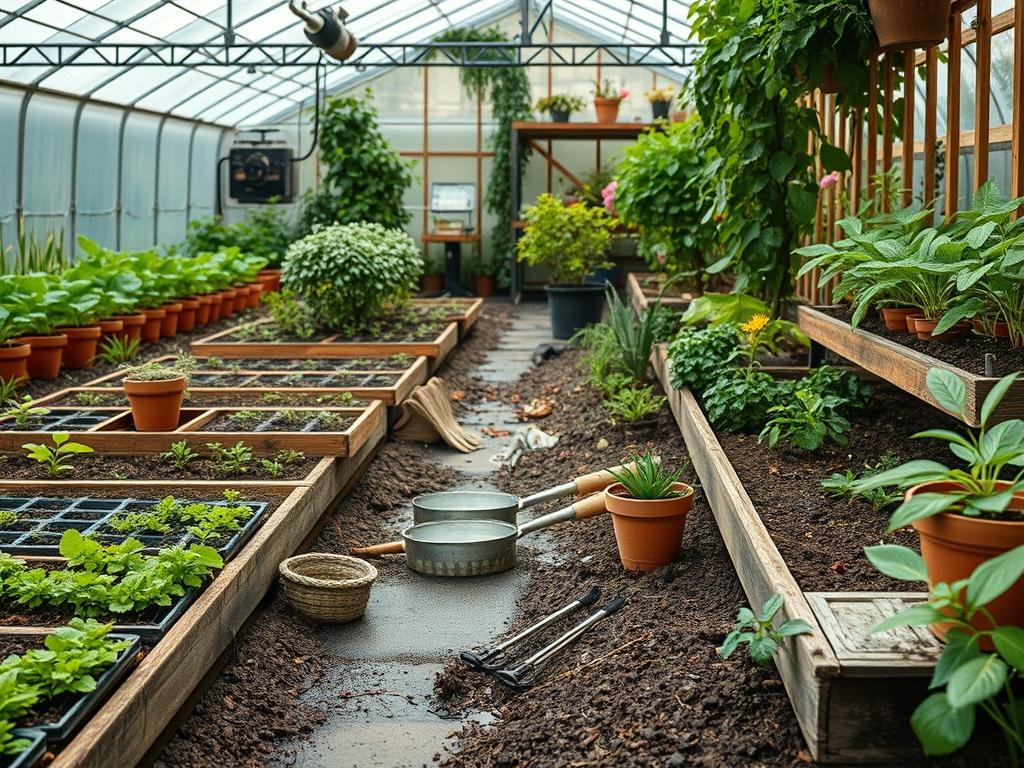
The modern landscape is no longer a static arrangement of flora and hardscape elements; it is a dynamic ecosystem that requires precise resource management to thrive. Homeowners and commercial property managers often struggle with the paradox of maintaining high-end curb appeal while adhering to strict water conservation mandates. Conventional irrigation systems, dictated by rigid mechanical timers, frequently fail because they do not account for the volatility of local microclimates. This leads to the phenomenon of watering sidewalks during rainstorms or parching high-value ornamental beds during unexpected heatwaves. The shift toward Weather-Linked Watering represents a fundamental evolution in outdoor environment consultancy. By integrating real-time meteorological data with automated delivery systems, we can ensure that every drop of water serves a functional purpose, enhancing the health of the soil and the longevity of the design.
Effective garden planning begins with the realization that water is the primary architect of plant health. When a landscape is designed with Weather-Linked Watering in mind, the focus shifts from mere survival to optimized growth cycles. We look at how environmental data, such as humidity, solar radiation, wind speed, and precipitation, influences the evapotranspiration rate of specific zones. This technical approach allows us to create outdoor living spaces that are resilient and sustainable. The goal is to move beyond the “set it and forget it” mentality, which often results in fungal diseases from over-saturation or root die-back from drought stress. A professionally designed system creates a landscape that feels lush and purposeful, using only the minimum necessary resources to maintain peak physiological performance of the plant material.
Landscape Design Principles
Successful landscape architecture relies on the seamless integration of aesthetic goals and technical infrastructure. Symmetry and focal points provide the visual framework, but they must be supported by a robust irrigation plan that recognizes different hydro-zones. We categorize areas based on their water requirements, ensuring that high-water-demand focal points, such as Hydrangea beds, are not on the same circuit as drought-tolerant Ornamental Grasses. This zonal approach is essential for achieving visual balance without wasting resources. When we design elevation layers, we must consider how water moves across the site. Natural slopes and terraced retaining walls require specific irrigation strategies to prevent runoff at the top and pooling at the bottom.
Walkways and hardscaping also play a critical role in the overall moisture management of a property. Permeable pavers allow water to infiltrate the soil, reducing the burden on drainage systems and replenishing local groundwater. In a cohesive design, these paths lead the eye toward specific vistas while masking the placement of Pop-up Sprinklers or Drip Emitters. Use of varying heights in planting beds creates depth, but it also creates micro-climates. Tall canopy trees provide shade that reduces the water needs of understory plants. By mapping these shade patterns and linking them to a Weather-Linked Watering controller, we can fine-tune the delivery of water to match the reduced evaporation rates in those protected areas.
Plant and Material Selection
Selecting the right plant for the right place is the cornerstone of sustainable landscaping. The following table highlights diverse species often used in professional designs that benefit significantly from precise water management.
| Plant Type | Sun Exposure | Soil Needs | Water Demand | Growth Speed | Maintenance Level |
| :— | :— | :— | :— | :— | :— |
| English Lavender | Full Sun | Well-drained sandy | Low | Medium | Moderate |
| Japanese Maple | Partial Shade | Loamy/Acidic | Moderate | Slow | High |
| Switchgrass | Full Sun | Adaptable/Clay | Very Low | Fast | Low |
| Boxwood Hedge | Full Sun/Shade | Well-drained | Moderate | Medium | Moderate |
| Creeping Thyme | Full Sun | Poor/Well-drained | Low | Medium | Low |
| River Birch | Full Sun/Partial | Moist/Acidic | High | Fast | Moderate |
When choosing materials, we prioritize high-quality Hardwood Mulch and Volcanic Rock to assist in moisture retention. A layer of 3 inches of mulch is standard for most ornamental beds, acting as an insulating blanket that slows evaporation. This works in tandem with Weather-Linked Watering systems by keeping the soil moisture levels more consistent between irrigation cycles, allowing the smart controller to skip watering sessions more frequently during cool or cloudy periods.
Implementation Strategy
The transition from a conceptual design to a functional backyard layout requires a disciplined implementation strategy. We begin with grading, which is the most critical step in site preparation. Proper grading ensures that water flows away from the home foundation and toward designated drainage areas or rain gardens. Once the land is shaped, we install the primary irrigation lines. For a Weather-Linked Watering setup, we integrate a Smart Controller that connects to local Wi-Fi to pull data from the nearest high-accuracy weather station. In some cases, we also install on-site Soil Moisture Sensors and Rain Sensors to provide ground-truth data that overrides the cloud-based forecast.
Edging provides the clean lines that define a professional landscape, separating turf from planting beds or gravel paths. We typically use Steel Edging or Heavy-Duty Composite to maintain these boundaries. After plants are positioned according to the design plan, we install Drip Irrigation Tubing directly to the root zones. This method is far more efficient than overhead spraying, as it minimizes evaporation and prevents the wetting of foliage, which can lead to disease. Finally, we apply the mulch and check for proper drainage. The initial “settling in” period for a new landscape involves frequent monitoring, but as the Weather-Linked Watering system takes over, the frequency of manual intervention drops significantly.
Common Landscaping Failures
The most frequent mistake in residential and commercial landscapes is the failure to address drainage. Water that cannot exit the property or infiltrate the soil will eventually cause root rot and structural damage to hardscaping. Many contractors install high-volume irrigation systems without considering where that excess water will go during a heavy storm. Another common issue is root overcrowding. When plants are placed too close together to achieve an instant “full” look, they compete for the same limited water and nutrients. Over time, this stress makes them more susceptible to pests and environmental extremes.
Soil compaction is a “silent killer” in many gardens. Heavy foot traffic or construction machinery crushes the air pockets in the soil, preventing water and oxygen from reaching the roots. Even the most advanced Weather-Linked Watering system cannot save a plant if the water cannot penetrate the compacted earth. Furthermore, irrigation inefficiencies often stem from poor maintenance, such as broken heads or clogged nozzles. If a sensor is blocked by overgrown foliage, it may report inaccurate data, leading the system to overwater or skip essential cycles. Regular audits of the hardware are just as important as the software driving the conservation efforts.
Seasonal Maintenance
Landscape management is a year-round commitment that changes with the tilt of the earth. In the spring, the focus is on reactivation. We inspect all Backflow Preventers, clean filter screens, and update the controller software. This is also the time to apply a fresh layer of Mulch and perform “structural pruning” on deciduous trees before they fully leaf out. As we move into summer, the Weather-Linked Watering system becomes the primary tool for survival. We monitor the data to ensure the system is responding correctly to heat spikes, and we may adjust the “seasonal shift” settings on the controller to allow for deeper, less frequent watering that encourages deep root growth.
In the autumn, we prepare the landscape for dormancy. We gradually reduce water delivery as plant metabolic rates slow down. This is the ideal time for aerating the lawn to combat soil compaction and for planting new trees or shrubs. Finally, winter maintenance involves “winterizing” the irrigation system. We use compressed air to blow out any standing water in the pipes to prevent freezing and bursting. While the plants are dormant, we review the previous year’s water usage data. This allows us to make informed adjustments to the landscape design or the irrigation programming for the upcoming spring, ensuring that the cycle of conservation and beauty continues.
Professional Landscaping FAQ
What is the core benefit of Weather-Linked Watering?
The primary advantage is precision. By using real-time data to adjust schedules, these systems prevent overwatering during rain and underwatering during heatwaves, resulting in healthier plants and significantly lower utility bills through improved water conservation.
Does a smart controller require professional installation?
While many units are user-friendly, a professional ensures the system is correctly calibrated to the specific soil type, plant species, and sun exposure of each zone, which is vital for maximizing the efficiency of the weather data.
How much water can a weather-linked system actually save?
Most properties see a reduction in outdoor water use by 20 to 50 percent. These savings come from eliminating unnecessary watering cycles when local precipitation or high humidity levels provide sufficient moisture for the plants.
Can I retrofit my existing irrigation system?
Yes, most standard systems can be upgraded with a Smart WiFi Controller and modern Rain Sensors. This is a cost-effective way to bring the benefits of weather-linked technology to an established landscape without digging up pipes.
What happens if the internet connection is lost?
Professional-grade smart controllers store the most recent watering schedule locally. If the connection fails, the system will continue to operate based on historical averages or the last downloaded forecast until the signal is restored, ensuring the landscape remains protected.