
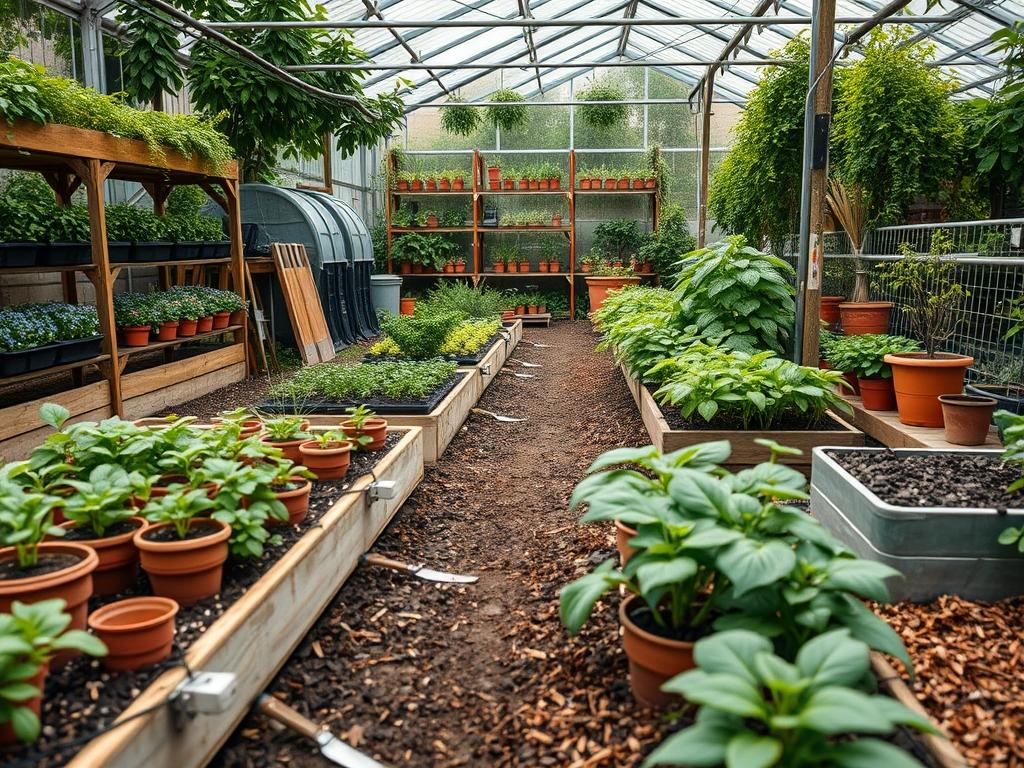
The modern homeowner faces a persistent challenge in balancing the demands of a busy lifestyle with the rigorous requirements of a thriving landscape. Maintaining curb appeal and outdoor functionality often feels like a second full-time job. Between fluctuating climate patterns and the biological needs of diverse plant species, manual upkeep is frequently inconsistent. This is where garden automation basics become essential. A well-designed, automated landscape does more than just save time; it ensures that your outdoor environment remains resilient against heat waves and drought while maximizing your property value. By integrating technology into the foundational design, we can create a self-sustaining ecosystem that thrives with minimal human intervention.
Landscape Design Principles
Effective landscaping begins with clear spatial hierarchy and visual balance. When we approach a new site, we focus on symmetry and focal points to guide the eye and create a sense of order. Symmetry does not always mean a mirror image; rather, it refers to the weight of elements across a central axis. For example, a heavy multi-stem maple on one side of a walkway can be balanced by a dense grouping of ornamental grasses and boulders on the other. Focal points, such as an architectural water feature or a sculptural evergreen, provide a destination for the viewer’s gaze, preventing the landscape from feeling cluttered or aimless.
Elevation layers are equally critical in professional design. We categorize these into the canopy, the mid-story, and the ground plane. By varying heights, we create depth and provide micro-climates for different plant species. However, these layers must be coordinated with irrigation planning from the start. A common mistake is designing a beautiful garden bed only to realize later that the high-reach canopy trees block the spray from impact sprinklers, leaving the ground cover parched. Automated systems should be zoned by elevation and plant type to ensure each layer receives the exact volume of water it requires.
Walkways and hardscaping serve as the circulatory system of the garden. They should be wide enough to allow two people to walk side-by-side, typically requiring a width of at least 48 inches. When planning these paths, we prioritize flow and accessibility while using materials like flagstone, pavers, or decomposed granite. These transit lines also serve as convenient corridors for burying low-voltage lighting wires and irrigation mainlines, keeping the infrastructure hidden beneath the surface for a clean, professional finish.
Plant and Material Selection
Selecting the right biological components is the most important variable in long-term garden success. We prioritize native species that are adapted to local soil conditions and weather extremes.
| Plant Type | Sun Exposure | Soil Needs | Water Demand | Growth Speed | Maintenance Level |
| :— | :— | :— | :— | :— | :— |
| English Lavender | Full Sun | Well-drained/Sandy | Low | Medium | Low |
| Boxwood Shrub | Partial to Full Sun | Loamy/Neutral | Moderate | Slow | Medium |
| Japanese Forest Grass| Shade | Rich/Moist | Moderate | Slow | Low |
| Coneflower | Full Sun | Poor to Average | Low | Fast | Low |
| Dwarf Alberta Spruce| Full to Partial Sun | Acidic/Moist | Moderate | Very Slow | Low |
| Creeping Thyme | Full Sun | Dry/Rocky | Very Low | Fast | Low |
Implementation Strategy
The transition from a conceptual design to a physical garden requires a disciplined order of operations. We begin with grading and drainage. The soil must be sloped away from the home’s foundation at a minimum grade of 2 percent. This prevents moisture from pooling near the basement and ensures that heavy rainfall is directed toward French drains or bioswales. Once the grade is established, we lay out the hardscaping, such as retaining walls and patios, which define the permanent structure of the space.
After the heavy materials are in place, we focus on the irrigation infrastructure. For a modern automated setup, we install a smart irrigation controller capable of accessing local weather data via Wi-Fi. This allows the system to skip watering cycles if rain is in the forecast. We recommend using drip irrigation for planting beds, as it delivers water directly to the root zones, and subsurface emitters for lawn areas to reduce evaporation.
Once the pipes are buried, it is time for edging and soil preparation. We use 14-gauge steel edging to create crisp lines between lawn areas and garden beds. This prevents grass from encroaching into the mulch. The planting beds are then amended with organic compost to a depth of 6 inches before the plants are installed. Finally, we apply a 3-inch layer of double-shredded hardwood mulch or pine bark nuggets. This layer is vital for moisture retention, weed suppression, and regulating soil temperature.
Common Landscaping Failures
Many beginners encounter setbacks that can be easily avoided with proper foresight. Drainage mistakes are the most frequent and costly errors. Failing to account for where water will go during a primary storm event can result in eroded topsoil and flooded plant roots. It is essential to test your soil’s percolation rate before planting. If the water does not drain within 24 hours, you likely have heavy clay or soil compaction issues that need to be addressed with mechanical aeration or the addition of gypsum.
Root overcrowding is another silent killer of beautiful landscapes. Homeowners often plant for immediate impact, placing shrubs too close together. While this looks full in the first year, by year five, the plants are competing for light and nutrients, leading to stunted growth and disease. Always research the mature spread of a plant and space them according to their full-grown dimensions. Similarly, improper spacing of irrigation heads leads to “dry spots.” We aim for “head-to-head coverage,” meaning the spray from one sprinkler reaches the base of the next one to ensure uniform moisture distribution across the entire zone.
Seasonal Maintenance
Garden automation significantly reduces the daily workload, but seasonal transitions still require professional oversight. In the spring, the focus is on reactivation. You must flush the irrigation lines to remove any debris that accumulated over winter and replace the batteries in your smart sensors. This is also the time to apply a pre-emergent herbicide to prevent weed seeds from germinating as the soil warms up.
During the summer, the primary task is monitoring. Check your smart hub for alerts regarding broken pipes or clogged nozzles. You should also increase the mowing height of your lawn to 3.5 inches to shade the soil and reduce water evaporation. As we move into autumn, the focus shifts to preparation. This is the ideal time for overseeding cool-season grasses and applying a high-potassium “winterizer” fertilizer to strengthen roots against the coming cold.
Winter maintenance involves protecting your investment. In colder climates, it is mandatory to “blow out” the irrigation system using an air compressor to prevent frozen pipes from bursting. You should also disconnect smart valves from outdoor faucets. For the plants themselves, applying a fresh 2-inch layer of mulch provides an extra blanket of insulation for the roots during deep freezes.
Professional Landscaping FAQ
How does a smart irrigation controller save money?
These devices use localized weather data and soil moisture sensors to skip watering when it is unnecessary. This prevents water waste, often reducing monthly utility bills by 30 percent while ensuring plants are never over-watered or stressed.
What is the best mulch for a low-maintenance garden?
Double-shredded hardwood mulch is the professional standard. It interlocks to stay in place on slopes, decomposes slowly to enrich the soil, and provides an excellent barrier against weeds. Avoid dyed mulches which may contain harmful chemicals.
Can I automate fertilization for my lawn and garden?
Yes, by using a fertigation system attached to your irrigation mainline. These systems inject liquid nutrients directly into the water stream, providing a consistent, low-dose feeding every time the system runs, which promotes steady and healthy growth.
Why is drainage more important than irrigation?
While plants can survive a short dry spell, most will die quickly if their roots sit in standing water. Poor drainage leads to root rot and fungal diseases that are difficult to cure once they have begun.
What are the most durable hardscape materials?
Natural stone, interlocking concrete pavers, and poured-in-place concrete are the most resilient options. These materials withstand thermal expansion and heavy foot traffic while requiring only occasional cleaning or re-sanding of the joints to look brand new for decades.