
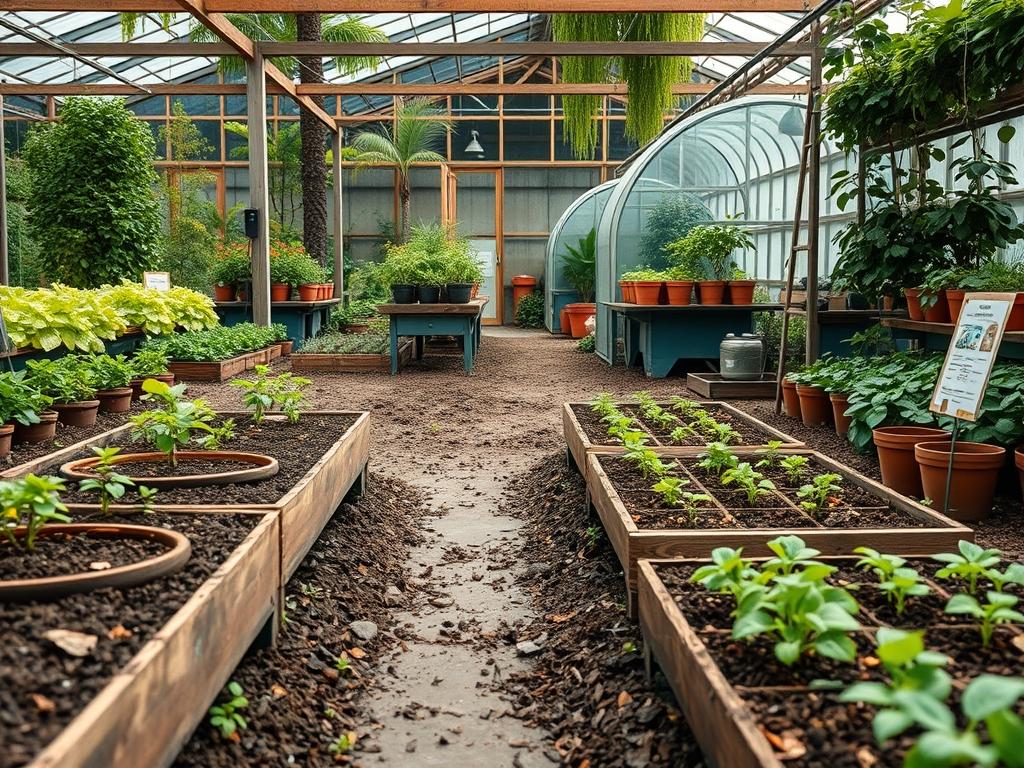
Architectural landscaping is currently undergoing a significant digital transformation, moving away from purely aesthetic arrangements toward functional ecosystems that prioritize data-driven results. For the modern homeowner or commercial property manager, the primary challenge is no longer just maintaining curb appeal, but rather creating a productive environment that supports local biodiversity while maximizing food yields. Integrating AI Pollinator Tracking systems into a traditional landscape design requires a deep understanding of how physical structures and biological life interact. We must consider the microclimates created by retaining walls, the windbreaks provided by evergreen hedges, and the line of sight required for high-definition smart cameras. By bridging the gap between hardware and horticulture, we can transform a standard garden into a high-yield biological engine. This approach addresses climate challenges by selecting resilient species and using technology to monitor their health in real time, ensuring that the outdoor space is both beautiful and scientifically optimized.
Landscape Design Principles
Effective landscape design starts with the concept of visual and functional symmetry. When planning a space that utilizes AI Pollinator Tracking, symmetry is not just for the eyes; it helps the software model the environment more accurately. A balanced garden allows for uniform light distribution, which is essential for both plant growth and camera clarity. We focus on creating focal points that serve a dual purpose. A large Stone Water Feature or a central Raised planter acts as a visual anchor for the human observer and a high-traffic hub for pollinators. By centering these features, we can position optical sensors at strategic intervals to capture the greatest amount of insect activity without creating massive blind spots.
Elevation layers are another critical design principle. We categorize the landscape into three distinct zones: the ground cover, the mid-story, and the canopy. In a tech-enhanced garden, we utilize Retaining Walls to create varied heights, which allows for better camera angles. Instead of looking top-down on a flat field, the cameras can monitor “floral shelves” at eye level. This prevents the overlapping of foliage from obscured tracking. Furthermore, irrigation planning must be integrated from the start. We recommend Drip Irrigation systems buried beneath 3 inches of cedar mulch to ensure that water reaches the roots directly without creating the mist or spray that can cloud camera lenses or damage sensitive electronic components.
Walkways should be constructed from porous materials like Decomposed Granite or Permeable Pavers. These paths provide firm access for maintenance while allowing water to infiltrate the soil, reducing runoff that could destabilize the foundations of Camera Poles or Smart Hubs. Visual balance is maintained by grouping plants with similar water and light needs, a practice known as hydro-zoning. This ensures that the AI is monitoring a healthy, thriving population rather than a stressed one, as stressed plants produce less nectar and attract fewer pollinators.
Plant and Material Selection
Selecting the right biological assets is the core of any successful landscaping project. For a garden focused on pollination tracking, we prioritize species that have high “visitation potential” and distinct floral shapes that are easily recognized by machine learning models.
| Plant Type | Sun Exposure | Soil Needs | Water Demand | Growth Speed | Maintenance Level |
| :— | :— | :— | :— | :— | :— |
| Lavender (Lavandula) | Full Sun | Well-Drained | Low | Moderate | Low |
| Purple Coneflower | Full/Partial Sun | Loamy/Neutral | Medium | Fast | Moderate |
| Russian Sage | Full Sun | Sandy/Dry | Very Low | Fast | Low |
| Bee Balm (Monarda) | Full/Partial Sun | Rich/Moist | High | Fast | High |
| Blue Fortune Agastache| Full Sun | Well-Drained | Low | Moderate | Low |
| Autumn Joy Sedum | Full Sun | Any/Sandy | Very Low | Moderate | Very Low |
In addition to plants, the materials used for hardscaping must be durable. We recommend UV-rated PVC conduits for all underground wiring to protect against moisture and rodents. For mounting hardware, Powder-coated aluminum or Stainless steel prevents rust in humid environments, ensuring that your Smart Cameras remain stable over several seasons.
Implementation Strategy
The implementation process begins with site grading to ensure proper drainage away from both the home foundation and the electronic sensor stations. A 1 percent to 2 percent slope is usually sufficient to prevent pooling. Once the land is graded, we mark the positions for hardscaping elements like retaining walls and walkways. This is the time to install the 4-inch Schedule 40 PVC pipes that will house the electrical and data lines for the AI Pollinator Tracking system.
Following the infrastructure, we transition to soil preparation. We recommend a mix of 60 percent native soil, 30 percent organic compost, and 10 percent coarse sand to improve aeration. After the soil is prepped, we install the Drip Irrigation lines, ensuring emitters are placed exactly at the base of each 3-gallon shrub or 1-gallon perennial. Edging is then installed to create a crisp boundary between the planting beds and the lawn. We prefer Steel Edging for its longevity and its ability to prevent invasive grass from encroaching on the pollinator zones.
Finally, we mount the Smart Cameras. These should be placed on 6-foot or 8-foot poles to provide a wide field of view. The cameras are calibrated to focus on the most active floral clusters. Once the hardware is set, a 3-inch layer of hardwood mulch is applied across the beds to retain moisture and suppress weeds. This layer must be kept away from the direct contact of the plant stems to prevent rot.
Common Landscaping Failures
The most common failure in modern landscaping is poor drainage. Even the most advanced AI Pollinator Tracking system cannot compensate for root rot caused by standing water. If the soil becomes oversaturated, the microbial life dies, and the plants stop producing the chemical signals that attract bees. Another frequent mistake is root overcrowding. Homeowners often plant for immediate fullness, but they fail to account for the mature width of the species. When plants are too close, airflow is restricted, leading to powdery mildew and fungal infections that obscure the AI’s ability to identify healthy blooms.
Improper spacing also affects the technology. If a Japanese Maple is planted too close to a Smart Camera, its growth will eventually block the sensor’s view. We also see many issues with soil compaction. During the construction of retaining walls or patios, heavy machinery can pack the earth so tightly that roots cannot penetrate and water cannot drain. This creates a “bathtub effect” where the plants eventually drown. Lastly, irrigation inefficiencies, such as overhead sprinklers hitting tech equipment, can cause mineral buildup on lenses, rendering the tracking software useless.
Seasonal Maintenance
Spring is the time for renewal and recalibration. This is when we perform a full system check on all AI Pollinator Tracking hardware. We clean the lenses with Microfiber cloths and check all Electrical connections. In the garden, we prune dead wood from Perennials and apply a fresh 1-inch top-dress of compost.
Summer maintenance focuses on water management and sightline preservation. As plants grow rapidly, they may begin to block camera views. Selective pruning is required to maintain a clear line of sight to the flowers. We also monitor the Irrigation controllers to adjust for heat waves, ensuring the plants remain vibrant and attractive to pollinators.
Autumn is about preparation and habitat preservation. Rather than cutting everything back, we leave some dried seed heads of Coneflowers and Bee Balm. This provides winter food for birds and nesting sites for certain bees. We also blow out the Irrigation lines with compressed air to prevent freezing and cracking.
In Winter, the focus shifts to hardware protection. In extreme climates, sensitive sensors may need to be covered or moved indoors, though many modern Smart Cameras are rated for sub-zero temperatures. We use this time to analyze the data collected by the AI Pollinator Tracking system over the previous months, planning any necessary design changes for the following spring to further boost yield.
Professional Landscaping FAQ
How does AI Pollinator Tracking actually increase my garden yield?
The system identifies which plants are most visited and at what times. By analyzing this data, you can introduce specific species that fill “gaps” in the pollination cycle, ensuring a constant presence of beneficial insects for your crops.
Are smart cameras and electrical wires safe in a wet garden environment?
Yes, provided you use Outdoor-rated NEMA enclosures and GFCI-protected outlets. All cabling should be housed in underground PVC conduits to prevent moisture ingress and accidental damage from gardening tools like shovels or edgers.
Will the AI tracking system work or be effective at night?
Most high-end Smart Cameras feature Infrared Night Vision. This allows the system to track nocturnal pollinators like moths and certain species of beetles, which are often overlooked but play a crucial role in many plant life cycles.
How much maintenance does the AI hardware require compared to the plants?
The hardware requires very little maintenance, usually just a lens cleaning every 30 to 60 days. The plants require more frequent attention through weeding, pruning, and monitoring the Irrigation system for leaks or clogged emitters.
Can I integrate this technology into an existing, mature landscape?
Absolutely. We can retrofit older gardens by using Wireless Mesh Networks to connect cameras, reducing the need for extensive trenching. We then strategically prune existing foliage to create the necessary sightlines for the AI Pollinator Tracking software.