
Modern outdoor design relies heavily on technical integration, yet the rapid adoption of automated illumination has introduced a significant environmental challenge known as Smart Garden Light Pollution. As a landscape architect, I see many property owners struggle to find the balance between functional safety and the preservation of the natural night sky. When we install high-intensity LEDs without proper shielding or scheduling, we create skyglow and light trespass that disrupts local ecosystems and irritates neighbors. Effective garden planning requires a shift from simply lighting up a space to curate specific pools of light that enhance architectural features without spilling into the atmosphere. Smart shielding serves as the primary solution here. It involves using both physical barriers on fixtures and intelligent software controls to ensure that every lumen serves a distinct purpose. By addressing this at the blueprint stage, we can enhance curb appeal and outdoor functionality while maintaining a sustainable relationship with the surrounding environment.
Landscape Design Principles
A sophisticated garden begins with the principle of visual balance and symmetry. When addressing light pollution, we look at the elevation layers of the terrain. Low-level lighting should focus on walkways and the lower thirds of garden beds to prevent glare from reaching the eye level of pedestrians. Focal points, such as a specimen tree or a stone water feature, should be illuminated using directional fixtures that have integrated snoots or baffles. These accessories act as physical shields, narrowing the beam angle so that the light hits the target and nothing else.
Elevation changes also provide natural opportunities for smart shielding. If your terrain has a slope, placing fixtures on the downward side of a retaining wall allows the masonry itself to block lateral light spill. Symmetry in the layout helps distribute light evenly, which reduces the need for high-voltage “flood” style lighting. Instead of one powerful light that causes harsh shadows, we utilize several low-lumen sources that work in harmony with the garden’s geometry. This design philosophy extends to irrigation planning as well. Placing lights away from high-moisture zones or active sprinkler heads prevents mineral buildup on lenses, which can cause light to scatter and increase pollution.
Plant and Material Selection
| Plant Type | Sun Exposure | Soil Needs | Water Demand | Growth Speed | Maintenance Level |
| :— | :— | :— | :— | :— | :— |
| Buxus Microphylla | Full to Partial | Well-Drained | Medium | Slow | Low |
| Carex Pensylvanica | Partial to Shade | Sandy/Loamy | Medium | Moderate | Low |
| Taxus Media | Full to Shade | Moist/Rich | Medium | Slow | Moderate |
| Hosta Fortunei | Shade | Humus-Rich | High | Moderate | Medium |
| Lavandula Angustifolia | Full Sun | Gritty/Alkaline | Low | Moderate | Low |
| Echinacea Purpurea | Full Sun | Any/Well-Drained | Low | Fast | Low |
The choice of plant material directly impacts how light is absorbed or reflected. Denser foliage, like that of the Buxus Microphylla, can act as a living shield for low-voltage path lights. Conversely, using highly reflective light-colored stone or white gravel can inadvertently increase light pollution by bouncing illumination upward.
Implementation Strategy
Planning a backyard layout requires a precise sequence of operations to ensure smart shielding is effective. First, establish the site’s grading to manage water runoff. This is vital because pooling water can reflect light into the sky, exacerbating pollution. Once the grade is set, mark the positions for hardscaping elements like paving stones or cedar decking.
During the installation phase, use a trenching spade to dig channels for electrical conduits that should be buried at least 12 inches deep. When placing fixtures, aim for a “down-lighting” approach. Mounting lights in the canopy of a tree and aiming them downward, often called moonlighting, mimics natural light and keeps the beams contained. For ground-level installation, use metal edging to define the transition between turf and garden beds. This provides a hard surface to mount small, hooded fixtures.
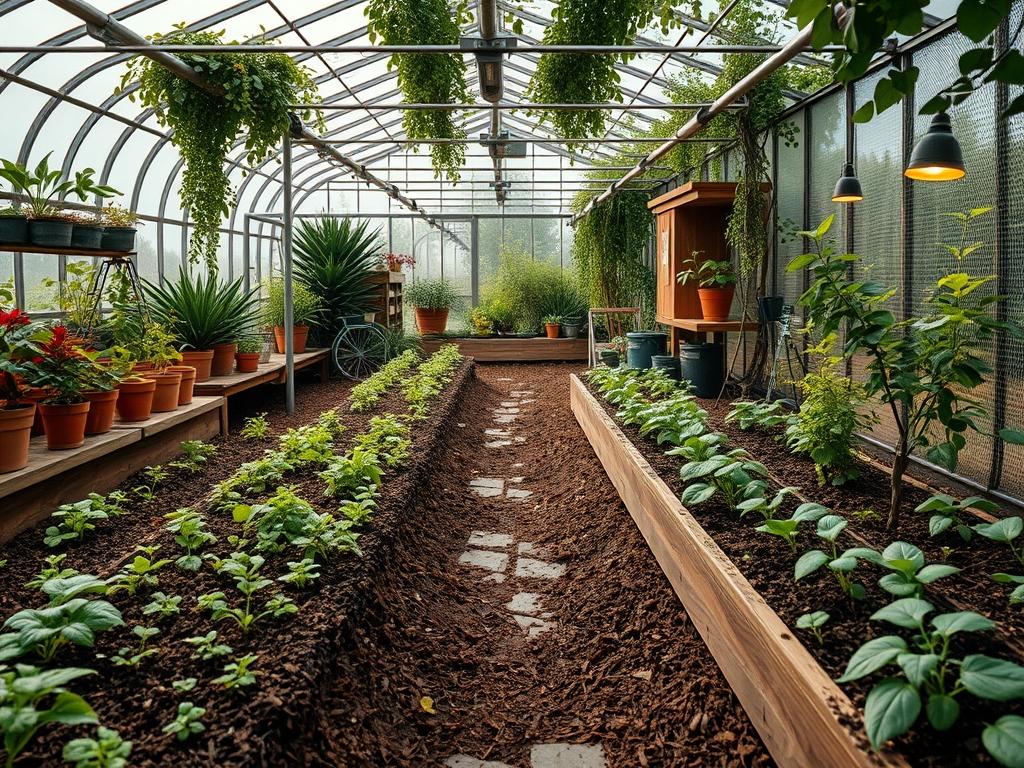
Apply a 3-inch layer of dark hardwood mulch around the base of plants. Darker mulch absorbs excess light rather than reflecting it. Finally, integrate a smart controller that uses astronomical clock settings. This allows the system to dim lights by 50 percent after midnight, significantly reducing the impact of Smart Garden Light Pollution during the quietest hours of the night.
Common Landscaping Failures
The most frequent mistake in modern gardens is the over-specification of lumen output. Many homeowners install fixtures that are far too bright for the residential context, leading to “light trespass” into neighbors’ windows. Another common failure involves improper drainage around lighting hardware. If surface runoff is not directed away from fixtures using French drains or appropriate grading, the base of the light can become buried in silt, causing the internal electronics to fail or the beam to become obstructed and diffused.
Root overcrowding is another issue that affects light shielding. When native plants are spaced too closely, they eventually grow over the fixtures. This not only creates a fire hazard with certain high-heat bulbs but also causes the light to trap against the leaves, creating a glowing orb effect that contributes to skyglow. Soil compaction is often overlooked as well. Heavily compacted soil around a light fixture prevents proper anchoring, leading to “leaning” lights that point upward into the sky instead of down at the path. Lastly, failing to use a voltmeter during installation can lead to voltage drop, resulting in uneven brightness and flickering that disrupts both the aesthetic and the efficiency of the smart system.
Seasonal Maintenance
Landscape management is a year-round commitment that ensures your shielding remains effective. In the spring, inspect all fixtures for shifting caused by ground frost. Use a level to realign any paths lights that have tilted. Prune back any new growth from fast-growing perennials that might be obstructing the hoods or shields of your lights.
During the summer, focus on the irrigation system. Ensure that drip emitters are not spraying directly onto light housings, as the mineral deposits will cloud the glass. In the autumn, the primary task is debris removal. Fallen leaves can accumulate inside fixture shields, altering the beam angle and creating a fire risk. Clean the lenses with a soft cloth and a non-abrasive solution to maintain clear, directed light.
Winter brings the challenge of snow and ice. In regions with heavy snowfall, use taller snow stakes to mark the location of low-profile lights so they are not damaged by shovels or snowblowers. Check the seals on all outdoor controllers, as extreme cold can cause plastic housings to crack, potentially shorting out the smart dimming features that are critical for controlling light pollution.
Professional Landscaping FAQ
What is the best way to stop light from hitting my neighbor’s house?
Install fixtures with full-cutoff optics or add physical baffles. These accessories ensure light is directed exclusively downward toward your walkways or stone paths. Adjusting the smart dimming schedule to lower intensity after 10 PM also helps significantly.
Does mulch type affect light pollution in the garden?
Yes. Light-colored mulches or white stones reflect light upward into the atmosphere. Using a dark brown or black organic mulch at a depth of 3 inches helps absorb excess light and reduces the overall glow of the landscape.
Can I use smart bulbs to reduce light pollution?
Smart bulbs are excellent for this purpose. They allow you to control the Kelvin temperature and brightness levels via an app. Setting your lights to a warmer 2700K color temperature reduces the blue light that contributes most to skyglow.
How does grading affect outdoor lighting performance?
Proper grading ensures that water flows away from fixtures. This prevents the accumulation of reflective puddles and protects the electrical components. Use a slope of at least 2 percent to move water toward a designated drainage area or rain garden.
Should I choose LED or halogen for a dark-sky friendly garden?
LEDs are preferred because they are highly directional. Unlike halogen bulbs that emit light in all directions, LEDs can be precision-engineered with lenses that focus the beam specifically on your hardscape or plant specimens, minimizing wasted light.