
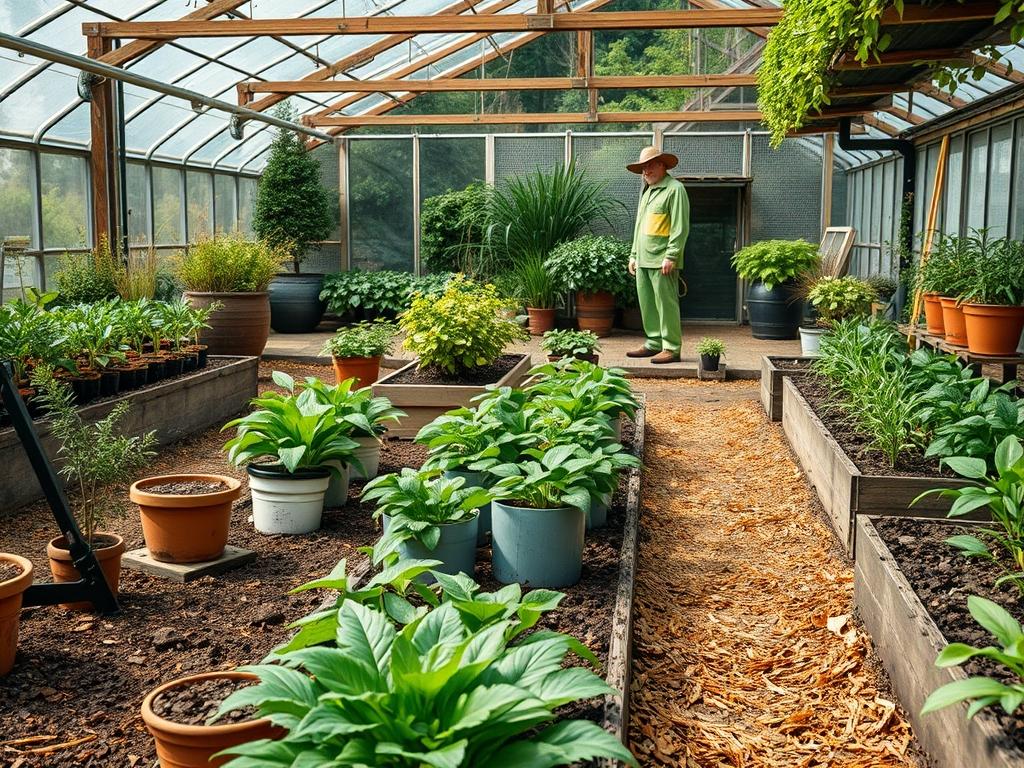
Managing a high-end landscape requires more than just an eye for aesthetics; it requires a meticulous approach to asset management and site organization. As professional-grade equipment becomes increasingly sophisticated and expensive, the integration of Smart Garden Tool Security has evolved from an optional luxury to a core component of outdoor environment design. Most homeowners invest heavily in hardscaping, specimen trees, and automated irrigation systems, yet they often overlook the vulnerability of the tools required to maintain these features. In temperate climates where seasonal transitions dictate a heavy rotation of machinery, losing a brush cutter or a high-torque drill can derail a maintenance schedule for weeks. By utilizing Bluetooth tagging systems, such as Apple AirTags, Tile Pro, or Samsung SmartTags, property owners can create a geofenced perimeter that alerts them the moment a tool leaves its designated zone. This technological layer complements the physical security of the landscape, ensuring that the functionality of the garden remains uninterrupted while preserving the investment in high-performance gear.
The challenge of modern landscaping often involves balancing curb appeal with the logistical reality of ongoing maintenance. A pristine lawn and manicured shrubbery do not happen by accident; they are the result of consistent work using precision shears, aerators, and leaf vacuum systems. When these tools are misplaced or stolen, the visual quality of the property suffers almost immediately. By embedding Bluetooth trackers within the ergonomic grips of hand tools or the battery compartments of electric mowers, gardeners can maintain a “smart inventory” that updates in real-time. This is particularly vital in large estates where tools might be left in a far orchard or a wooded perimeter during a busy workday. The goal is to create a landscape that is both beautiful and resilient, where the technology used for its upkeep is as sophisticated as the architectural lighting or the smart irrigation controllers that govern the soil moisture levels.
Landscape Design Principles
Effective landscape design starts with the principle of symmetry and visual balance. When planning a garden, one must consider how focal points, such as a tiered stone fountain or a centenarian oak, draw the eye across different elevation layers. Symmetry does not necessarily mean an exact mirror image, but rather a balanced distribution of “visual weight” where a dense evergreen screen on one side is balanced by a structured pergola or retaining wall on the other. This sense of order provides a framework for both aesthetic enjoyment and practical utility. For instance, a well-designed walkway should lead naturally to its destination while providing enough width, at least 48 inches, for a commercial-grade mower or a heavy-duty wheelbarrow to pass without damaging the flanking boxwood hedges.
Evolutionary layers in the garden provide depth and texture. By planting in tiers, with groundcovers at the front, mid-sized shrubs in the center, and tall canopy trees at the rear, you create a natural theater that changes with the light. Irrigation planning must be integrated into this design from the beginning. A drip irrigation system is often the most efficient choice for high-density perennial beds, as it delivers water directly to the root zone, reducing evaporation and fungal diseases. Walkways should be constructed from durable materials like flagstone, permeable pavers, or crushed decomposed granite to ensure they can withstand the traffic of maintenance crews and heavy equipment. By considering the placement of a dedicated, secure tool storage area within these design principles, hidden perhaps by a climbing hydrangea or a trellis, you integrate Smart Garden Tool Security into the very DNA of the landscape.
Plant and Material Selection
Selecting the right biological and mineral components is the foundation of any sustainable landscape. The following table provides a guide for common specimens used in modern garden architecture.
| Plant Type | Sun Exposure | Soil Needs | Water Demand | Growth Speed | Maintenance Level |
| :— | :— | :— | :— | :— | :— |
| Emerald Green Arborvitae | Full Sun | Well-drained | Moderate | Moderate | Low |
| Japanese Forest Grass | Shade | Moist/Loamy | High | Slow | Low |
| Lavender (Munstead) | Full Sun | Sandy/Alkaline | Very Low | Moderate | Medium |
| Panicle Hydrangea | Partial Sun | Rich/Organic | Moderate | Fast | Medium |
| Dwarf Fountain Grass | Full Sun | Adaptable | Low | Moderate | Low |
| American Holly | Full to Part Sun | Acidic | Moderate | Slow | Low |
| River Birch | Full Sun | Wet/Clay | High | Fast | Medium |
Implementation Strategy
The implementation of a professional landscape begins with site preparation and grading. Proper grading is critical to ensure that water flows away from the home foundation and the tool storage shed. A slope of at least 2 percent is generally recommended for lawn areas to prevent pooling. Once the grade is established, the layout of the garden beds should be marked using marking paint or surveyor stakes. Edging is the next step; using a steel edger or brick bender board creates a crisp line between the turf and the planting beds, which prevents grass from encroaching on your perennials.
When installing plants, ensure that the hole is twice as wide as the root ball but no deeper. This encourages lateral root growth into the surrounding soil. After planting, applying a 3-inch layer of organic mulch, such as shredded cedar or pine bark, is essential for moisture retention and weed suppression. For hardscaping elements like patios or fire pits, a 4-inch base of compacted gravel followed by a 1-inch sand setting bed provides the stability needed to prevent shifting over time. As you finish the physical install, this is the time to apply your Bluetooth tags to the long-handled spades, pruning saws, and backpack blowers. Each tag should be synced to a central hub or a mobile device, effectively cataloging every asset involved in the garden’s creation and ongoing care.
Common Landscaping Failures
One of the most frequent mistakes in professional landscaping is poor drainage planning. If the soil becomes saturated and cannot drain, it leads to root rot in expensive specimen trees and can eventually undermine the integrity of retaining walls. Soil compaction is another silent killer of gardens; when heavy machinery or constant foot traffic compresses the soil, oxygen cannot reach the roots, leading to stunted growth. Using an aerator annually is a vital corrective measure for compacted lawns. Root overcrowding also occurs when plants are spaced according to their “nursery size” rather than their “mature size.” A Leyland Cypress might look small in a 3-gallon pot, but it will eventually reach a width of 15 feet, potentially crowding out neighboring plants and creating an unsightly, tangled mess.
Irrigation inefficiencies often stem from “set and forget” timers. A landscape needs different amounts of water in May than it does in August. Over-watering not only wastes resources but also leaches nutrients from the soil, requiring more frequent applications of slow-release fertilizer. Finally, neglecting Smart Garden Tool Security can lead to significant financial loss. Leaving a lithium-powered hedge trimmer out in the open, or even in an unlocked shed, invites opportunity theft. Professional landscapes are high-value environments; treating the tools that maintain them with the same security considerations as the home itself is the only way to ensure long-term success.
Seasonal Maintenance
Landscape management is a year-round commitment that changes with the arc of the sun. In the spring, the focus is on “awakening” the garden. This involves manual weeding, applying a pre-emergent herbicide, and checking the irrigation zones for leaks after the winter freeze. It is also the best time to replace the batteries in your Bluetooth tags, ensuring they have full power for the busy growing season ahead. Summer maintenance shifts toward hydration and mowing. Grass should be kept at a height of 3 to 3.5 inches to shade the soil and encourage deep root systems. Sharpening your mower blades every 25 hours of use ensures a clean cut that prevents disease.
Autumn is the season for “putting the garden to bed.” This includes aerating the turf, overseeding with a high-quality fescue mix, and planting spring-flowering bulbs like tulips and daffodils. It is also the time to perform a final tool inventory. Using your Smart Garden Tool Security app, confirm that every tagged item is accounted for before they are cleaned, oiled, and stored for the winter. During the winter months, focus on “structural pruning” of deciduous trees while they are dormant. Cold weather can be hard on electronics, so storing your tagged tools in a climate-controlled environment, or at least a dry, insulated shed, will prolong the life of both the tools and the tracking sensors.
Professional Landscaping FAQ
How do Bluetooth tags improve landscape efficiency?
Tags reduce downtime spent searching for equipment across large estates. By pinpointing the exact location of a leaf blower or soil probe, crews can move between tasks faster, ensuring the landscaping schedule remains on track despite the property size.
Are these tags waterproof for outdoor use?
Most professional tags feature IP67 or IP68 ratings. This ensures protection against dust and water immersion. When attached to shovels or shears that may be exposed to the elements, the hardware remains functional, providing consistent security data.
Where should trackers be placed on power tools?
Hide trackers inside battery compartments or under protective housings. Use industrial-strength epoxy or heavy-duty mounting tape to secure them. Placement should never interfere with the tool ergonomics or the cooling vents of the electric motor.
How does property size affect Bluetooth connectivity?
Bluetooth range typically extends to 300 feet. For larger estates, a mesh network or strategically placed “bridge” devices can extend coverage. This ensures that a chainsaw left at the far woodlot remains visible on your digital security map.
Can these tags prevent theft in progress?
While they primarily track location, many systems offer “left behind” alerts. If a string trimmer is moved outside a digital boundary after hours, your phone receives an immediate notification, allowing for rapid intervention or law enforcement notification.