
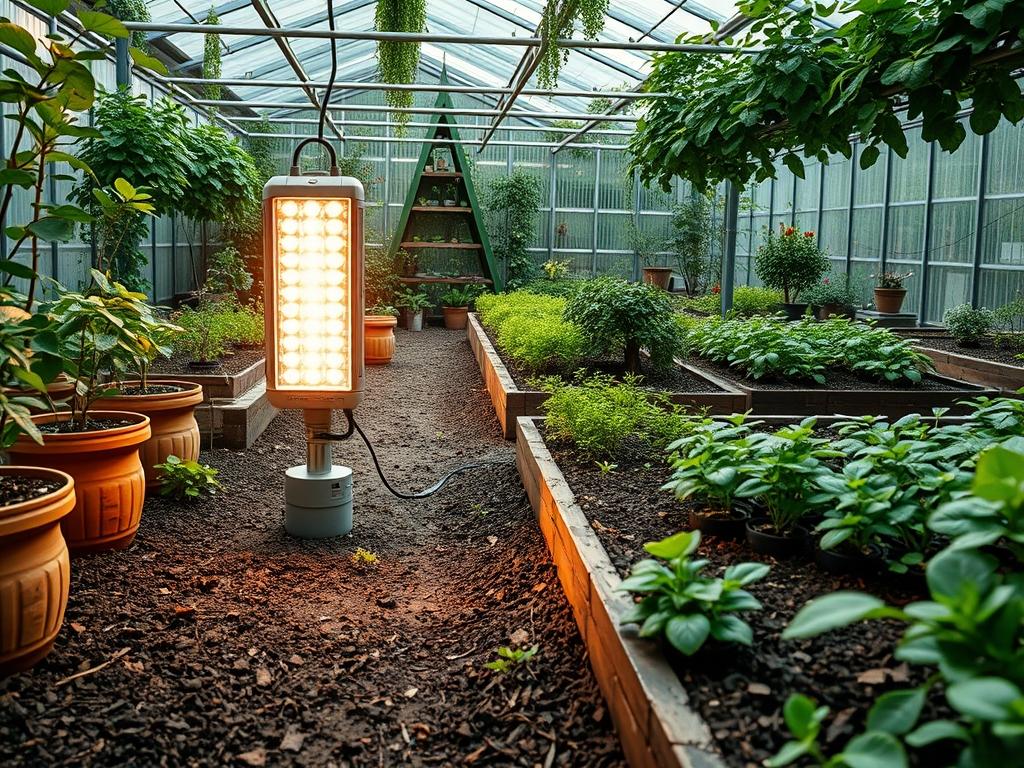
The transition from a daylight garden to an illuminated nocturnal landscape requires more than just a few well placed lanterns or solar stakes. Professional landscaping involves an intricate understanding of how light interacts with living biological structures and fixed architectural elements. For any aspiring Automated Garden Lighting Pro, the challenge lies in balancing environmental variables with human functionality. We must consider the specific micro-climates of a property, the structural integrity of the soil, and the long-term growth patterns of the flora. A well-designed outdoor environment does not just improve curb appeal; it extends the usable square footage of a home into the evening hours, creating a seamless flow between interior comfort and exterior beauty. Every project begins with a deep dive into the site’s topography, drainage, and existing vegetation to ensure that every structural addition serves a dual purpose of form and function.
Landscape Design Principles
Successful site planning relies on a foundation of visual balance and geometric integrity. Symmetry often dictates a sense of formality, where mirrored plantings of Boxwood or Italian Cypress create a structured entrance. However, many modern landscapes lean toward asymmetrical balance, utilizing varying heights and textures to lead the eye through the space. Focal points are the anchors of the design. A large Japanese Maple or a custom-built Stone Fire Pit acts as a visual destination, and it is here that an Automated Garden Lighting Pro focuses their efforts. By highlighting these anchors, the designer establishes a hierarchy of importance within the yard.
Elevation layers are equally critical. A flat yard often lacks visual interest, so landscape architects use Retaining Walls and terracing to create depth. These changes in grade allow for different planting zones and provide natural mounting points for Path Lights and Well Lights. Throughout this process, irrigation planning must be integrated into the layout. We do not simply water plants; we manage a hydration ecosystem. This means grouping plants with similar water needs, a practice known as hydro-zoning, and ensuring that Walkways are pitched correctly to prevent pooling. Visual balance is maintained by mixing hardscapes, such as Pavers or Flagstone, with softscapes to prevent the environment from feeling too sterile or too wild.
Plant and Material Selection
Selecting the right biological components requires a technical understanding of the USDA Hardiness Zones and local soil chemistry. The following table outlines standard selections for a diverse, layered landscape that benefits from integrated lighting.
| Plant Type | Sun Exposure | Soil Needs | Water Demand | Growth Speed | Maintenance Level |
| :— | :— | :— | :— | :— | :— |
| Common Boxwood | Full Sun to Part Shade | Well-drained Loam | Moderate | Slow | Low |
| Hostas | Full Shade | Organic Rich | High | Medium | Low |
| Lavender | Full Sun | Sandy/Gritty | Low | Medium | Moderate |
| Emerald Green Arborvitae | Full Sun | Moist/Well-drained | Moderate | Medium | Low |
| Panic Grass | Full Sun | Adaptable | Low | Fast | Low |
| Hydrangea Macrophylla | Part Shade | Moist/Rich | High | Fast | Moderate |
When choosing materials for hardscaping, durability and light reflectivity are key. Lighted Stone Steps require non-slip surfaces like textured Granite or Limestone. Cedar Mulch is often preferred for garden beds because of its natural insect-repelling properties and its ability to retain moisture for the Perennials tucked beneath the canopy.
Implementation Strategy
The transition from a blueprint to a physical garden requires a disciplined step by step approach. First, the site must undergo grading. Proper grading ensures that water flows away from the home’s foundation and toward designated French Drains or rain gardens. An Automated Garden Lighting Pro will often coordinate with the grading crew to lay PVC Conduits before the final soil layers are placed. This foresight protects the low-voltage wiring from future shovel strikes during routine gardening.
Once the grade is set, we move to edging. Steel Edging or Brick Borders provide a clean line between the lawn and the planting beds, preventing grass from invading the root zones of more delicate species. After the hardscape elements like Patios and Retaining Walls are installed, the planting phase begins. Each hole should be dug significantly wider than the root ball to allow for easy expansion. After the plants are in the ground, a 3-inch layer of Mulch is applied. This depth is the industry standard; any more can suffocate roots, while less fails to suppress weeds. Finally, the automated systems are commissioned. This includes installing Smart Transformers that synchronize with local sunset and sunrise times, ensuring the landscape is never left in the dark.
Common Landscaping Failures
Many projects suffer from preventable mistakes that degrade the environment over time. Drainage errors are the most frequent culprit. When water is allowed to stagnate, it leads to root rot and can undermine the foundations of Stone Pillars or Decks. Another common failure is root overcrowding. It is easy to plant for immediate impact, but a professional looks five to ten years into the future. Trees planted too close to a structure will eventually cause cracked foundations or clogged gutters. Soil compaction is another hidden enemy. During construction, heavy machinery compresses the earth, destroying the pore space needed for oxygen and water to reach roots.
Improper spacing and irrigation inefficiencies also plague haphazard designs. Over-watering is just as damaging as under-watering; it encourages shallow root systems that cannot survive a drought. Furthermore, lighting failures often stem from a lack of voltage drop calculation. An Automated Garden Lighting Pro understands that if the wire runs are too long or the gauge is too thin, the fixtures at the end of the line will appear dim or flicker. Using high-quality Waterproof Connectors and Direct Burial Wire is the only way to ensure the system survives the humid and acidic conditions of subterranean installation.
Seasonal Maintenance
A landscape is a living entity that requires a rotating schedule of care to maintain its architectural integrity. In the spring, the focus is on renewal. This involves Pruning dead wood from Shrubs, refreshing the Mulch, and testing the irrigation system for leaks. It is also the time to clean the lenses on all Brass Light Fixtures that may have been covered in winter debris. Summer maintenance shifts toward hydration and pest management. High temperatures require diligent monitoring of water levels, particularly for young Specimen Trees.
Autumn is the season for preparation. We cut back Perennials and plant Bulbs for the following year. This is also when the Automated Garden Lighting Pro adjusts the timing schedules, as the days begin to shorten significantly. Fallen leaves must be removed from the lawn and garden beds to prevent mold and to ensure that ground-level lights are not buried. Winter is the time for structural maintenance. While the plants are dormant, we focus on equipment. It is the ideal season for heavy Arborist work and for ensuring that Transformers and Gaskets are weather-tight against ice and snow.
Professional Landscaping FAQ
What is the best way to prevent weeds in large garden beds?
A combination of high quality Landscape Fabric and a consistent 3-inch layer of Wood Mulch is most effective. This suffocates weed seeds while allowing moisture to reach the soil. Regular hand-pulling during early spring prevents seasonal outbreaks from maturing.
How deep should low voltage lighting wires be buried?
Safety standards generally require Low-voltage Lighting Cables to be buried at least 6 inches deep. However, for maximum protection in high-traffic garden beds, many professionals prefer a depth of 8 to 12 inches inside Conduits.
Why are my outdoor LED lights flickering or losing brightness?
This is usually caused by a voltage drop or poor connections. Ensure you are using the correct Wire Gauge for the total wattage and check that all Splice Connections are secured with silicone-filled outdoor wire nuts to prevent moisture intrusion.
When is the best time of year to plant new trees?
Early spring or late autumn are the ideal windows for planting. These cooler periods allow root systems to establish without the stress of extreme summer heat or frozen winter ground, ensuring a much higher survival rate for Nursery Stock.
Does automated lighting increase the value of a home?
Yes, professional illumination improves both security and aesthetic appeal. A lighting system that highlights architectural features and provides safe passage along Walkways consistently increases property valuation and makes a home more attractive to potential buyers during evening showings.