
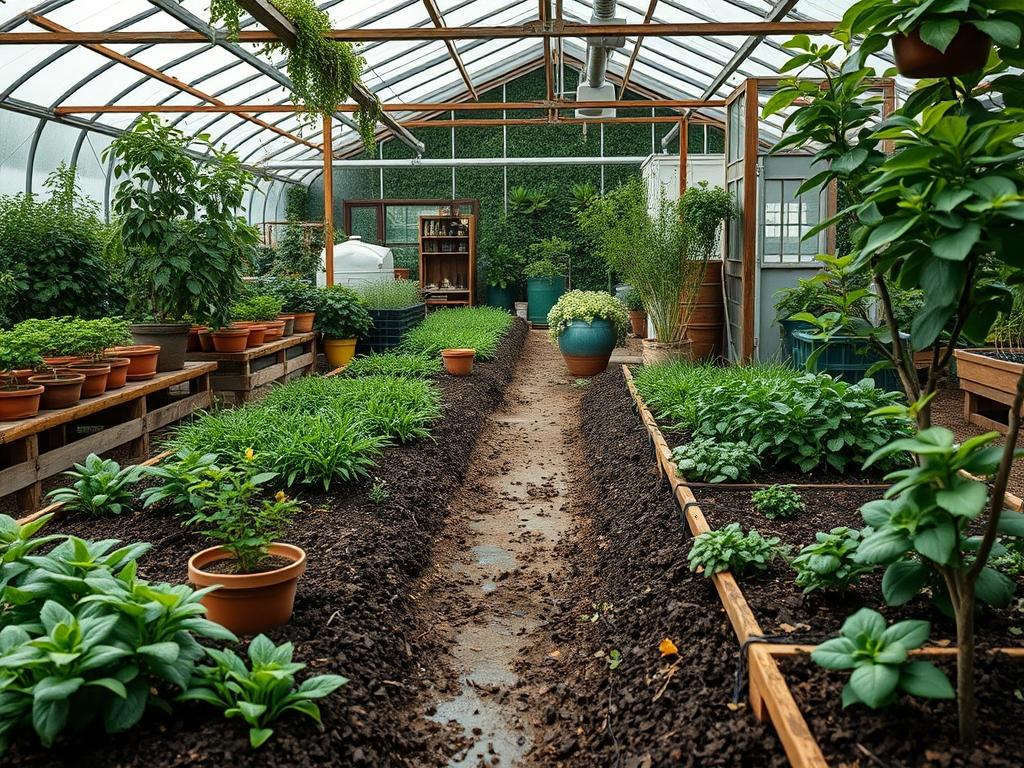
The modernization of residential orchards has shifted from intuitive guesswork to data-backed precision. For the contemporary landscape architect, integrating fruit trees into a high-end outdoor environment requires more than just aesthetic consideration; it demands an understanding of long-term structural integrity and yield optimization. Maintaining these living sculptures involves a delicate balance of light penetration, air circulation, and nutrient distribution. Homeowners often struggle with the complexity of dormant versus summer pruning, frequently leading to trees that are either overgrown or over-stressed. AI-Driven Pruning Guides have emerged as an essential tool in this domain, providing real-time data and predictive modeling to ensure each cut contributes to the health and longevity of the canopy. By leveraging computer vision and growth algorithms, these guides allow practitioners to maintain a rigorous maintenance schedule that enhances curb appeal while maximizing the functional output of the garden.
Landscape Design Principles
Integrating fruit-bearing trees into a landscape requires a deep focus on visual balance and spatial geometry. A focal point in a garden should not only be beautiful but also functional. When using AI-Driven Pruning Guides, the designer can plan for the eventual maturity of the specimen, ensuring that the Central Leader or Open Center structure aligns with the surrounding architectural lines. Symmetry is often achieved by mirroring species across a central walkway, yet functionality dictates that these trees must remain accessible for harvest. Elevation layers play a critical role here; taller stone fruit trees like Cherries or Plums should occupy the background, while dwarf varieties or espaliered forms serve as mid-level transitions.
Visual balance is maintained through the careful management of crown density. An overgrown tree creates a heavy visual weight that can make a small backyard feel cramped. Conversely, a well-pruned tree, guided by AI analysis of branch density, creates a sense of “airy” structure that allows the eye to travel through the landscape. Walkways should be positioned at least 5 Feet from the trunk of a mature fruit tree to prevent fruit drop from becoming a slipping hazard. Furthermore, irrigation planning must account for the specific “drip line” of each tree. As the AI guide predicts the expansion of the canopy, the irrigation system can be adjusted to ensure water reaches the most active feeder roots at the edge of the foliage.
Plant and Material Selection
Selecting the right cultivars is the foundation of a successful low-maintenance orchard. The following table outlines various fruit-bearing trees and their specific requirements, which can be monitored and managed through AI-Driven Pruning Guides to ensure optimal performance in a residential setting.
| Plant Type | Sun Exposure | Soil Needs | Water Demand | Growth Speed | Maintenance Level |
| :— | :— | :— | :— | :— | :— |
| Honeycrisp Apple | Full Sun | Loamy, Well-Drained | Moderate | Medium | High (Frequent Thinning) |
| Bartlett Pear | Full Sun | Slightly Acidic | High | Fast | Medium (Fire Blight Risk) |
| Elberta Peach | Full Sun | Sandy Loam | Moderate | Fast | High (Heavy Pruning) |
| Meyer Lemon | Full Sun | Neutral to Acidic | Moderate | Slow | Low (Scale Monitoring) |
| Bing Cherry | Full Sun | Deep, Well-Drained | Moderate | Medium | High (Bird Protection) |
| Santa Rosa Plum | Full Sun | Rich, Organic | Moderate | Fast | Medium (Symmetry Focus) |
When selecting materials for the surrounding environment, consider using Crushed Granite or Decomposed Granite for walkways near fruit trees. These materials provide excellent drainage and do not harbor the same level of fungal spores that organic wood chips might if they become overly saturated. For structural support, Heavy-Duty Bamboo Stakes or Steel T-Posts are recommended for young trees to ensure they develop a straight trunk, providing the AI-driven system with a clean primary structure to analyze.
Implementation Strategy
The successful implementation of an AI-integrated orchard begins with proper site grading. Before the first Spade hits the dirt, the landscape must be leveled or tiered using Small Retaining Walls if the slope exceeds 5 Degrees. Proper drainage is non-negotiable; fruit trees are highly susceptible to “wet feet,” which leads to root rot. Installing a French Drain system or a sub-surface N-12 Perforated Pipe can mitigate excess runoff during heavy rains.
Once the grading is complete, the layout should be marked using Surveyor’s Tape or Marking Paint. Each tree requires a designated “planting pocket” that is at least twice as wide as its root ball. During the planting phase, ensure the graft union remains 2 Inches above the soil line. Edging is then established using Steel Edging or Brick Pavers to create a clean boundary between the turf and the tree’s mulch bed. A consistent 3-Inch Layer of Arborist Chips or Bark Mulch should be applied, keeping a 4-Inch Gap around the base of the trunk to prevent moisture-induced bark decay.
As the trees begin to grow, the integration of AI-Driven Pruning Guides starts with an initial scan of the sapling’s structure. These digital assistants identify the “primary scaffolds” (the main branches that form the tree’s framework). The implementation strategy involves annual scanning every winter during the dormant phase. By following the AI’s recommendations for specific cuts, such as removing “water sprouts” or “suckers” at the base, the gardener ensures that the tree’s energy is directed toward fruit production rather than excessive vegetative growth.
Common Landscaping Failures
The most frequent error in fruit tree management is improper spacing. Homeowners often underestimate the mature width of a Standard Apple Tree, which can span 20 Feet. When trees are crowded, they compete for sunlight and airflow, creating a breeding ground for powdery mildew and aphids. AI-Driven Pruning Guides help mitigate this by predicting future sprawl, but the initial physical distance must be respected.
Another failure involves poor irrigation placement. Placing a sprinkler head directly against the trunk of a tree leads to crown rot and fungal infections. Irrigation should be delivered via Drip Emitters or Soaker Hoses placed along the drip line. Furthermore, over-pruning, particularly the practice of “topping” a tree, is a catastrophic mistake. Topping stimulates a flush of weak, vertical growth that is prone to breaking under the weight of fruit. AI guides prevent this by recommending “thinning cuts” that remove an entire branch at its point of origin, rather than “heading cuts” that leave stubs. Finally, soil compaction caused by heavy foot traffic or machinery around the root zone can suffocate a tree. Using Air Spades for aeration or installing Flagstone Stepping Stones can help distribute weight and preserve soil porosity.
Seasonal Maintenance
Seasonal management is where the AI-Driven Pruning Guides truly prove their worth by offering a dynamic schedule based on local climate data. In the Spring, the focus is on “thinning the crop.” If a tree produces too much fruit, the branches may snap. AI software can estimate the fruit load and suggest which clusters to remove, usually leaving one fruit every 6 Inches of branch. This is also the time to apply a balanced 10-10-10 Fertilizer and check for early signs of pests.
During the Summer, maintenance shifts to “light management.” AI-driven scouts can identify areas of the inner canopy that are too shaded. Removing a few strategic green shoots allows sunlight to reach the developing fruit, which improves sugar content and color. Autumn is the season for sanitation. All fallen fruit and leaves must be cleared to prevent pathogens from overwintering in the soil. A final scan with the AI guide can help identify any structural damage caused by the weight of the summer harvest. Finally, Winter is the primary pruning window. This is when major structural changes are made. Using Sharp Hand Pruners and Pruning Saws, the gardener follows the AI’s blueprint to remove dead, diseased, or crossing wood, ensuring the tree is prepared for a vigorous growth spurt once the ground thaws.
Professional Landscaping FAQ
How does an AI-Driven Pruning Guide actually work?
These tools use smartphone cameras or LIDAR to create a 3D model of your tree. Algorithms then identify branch angles and density, instructing you where to cut to improve light penetration and structural strength.
What is the best time of year to prune fruit trees?
Most fruit trees should be pruned in late winter or early spring while they are still dormant. This timing minimizes stress and allows the tree to heal quickly as soon as the spring growth cycle begins.
Can I use these guides for ornamental trees as well?
Yes, while fruit production is the primary focus, the principles of structural thinning and crown reduction apply to ornamental species. The AI helps maintain a balanced, aesthetically pleasing shape while ensuring the tree’s long-term health.
What are the most essential tools for precise pruning?
A professional kit should include Bypass Pruners for small twigs, Loppers for branches up to two inches, and a Folding Saw for larger limbs. Always ensure blades are sharpened and sanitized with Isopropyl Alcohol between trees.
Why is drainage so important for fruit tree health?
Fruit trees are susceptible to root-knot nematodes and fungal rots in oversaturated soil. Proper grading and the use of Sandy Loam amendments ensure that air can reach the roots, which is vital for nutrient uptake.