
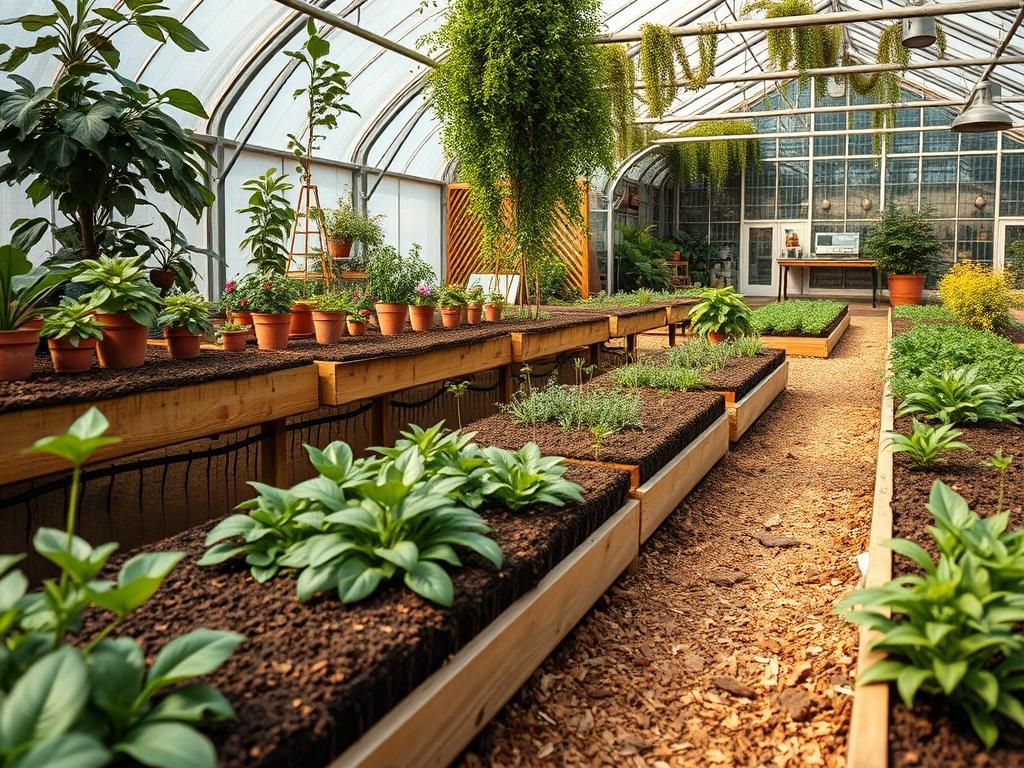
Most homeowners view their landscape through a purely aesthetic lens, yet the modern outdoor environment is a complex mechanical and biological system that requires regular tuning to remain efficient. A professional approach involves moving beyond simple curb appeal to conduct what we call Smart Garden Energy Audits. This process is a holistic evaluation of how your property manages water, light, heat, and biological resources. When we design for high end residential properties, we prioritize visual impact and functionality, but the underlying performance of the ecosystem dictates the long term success of the project. A property that consumes excessive water or allows heat to radiate into the home via hardscaping is a liability. By applying architectural principles to your green space, you can reduce utility costs, increase property value, and create a resilient outdoor living area that thrives even during climate fluctuations.
The primary challenge in modern landscaping is balancing the immediate desire for a lush environment with the reality of local climate constraints. A smart audit identifies where energy is leaking from the system. This might include excessive evaporation due to poor plant placement, heat island effects caused by dark Pavers, or electricity waste from outdated Halogen Lighting. To rectify these issues, one must look at the garden as a series of integrated layers. These layers work together to provide shade, block wind, and manage moisture. When these systems are synchronized, the garden becomes an extension of the homes climate control system, lowering the energy required to cool the interior while providing a comfortable sanctuary outdoors.
Landscape Design Principles
Successful garden planning starts with a structural framework that uses symmetry and focal points to guide the eye and direct traffic. Symmetry does not necessarily mean an identical mirror image; rather, it refers to the visual weight on either side of a central axis. A significant Accent Tree on the left can be balanced by a grouping of three Shrubs on the right. Focal points, such as a Custom Fountain or a large Stone Monolith, provide a destination for the viewer. These elements anchor the design and prevent the space from feeling cluttered or disorganized.
Elevation layers are equally critical for both aesthetics and energy management. In professional architecture, we utilize the vertical plane to create microclimates. Low lying Groundcovers act as “green mulch” to keep soil temperatures low, while mid level Perennials and taller Evergreens provide windbreaks. When planning walkways, consider using Permeable Paving or Natural Stone with wide joints. These materials allow water to infiltrate back into the water table rather than running off into storm drains. Visual balance is achieved by transitioning between these layers seamlessly, ensuring that the height of the plantings complements the scale of the residence. Irrigation planning must be integrated at this stage, grouping plants with similar water needs into specific zones. This practice, known as hydrozoning, is a cornerstone of any smart energy audit, as it prevents the overwatering of drought tolerant species.
Plant and Material Selection
Selecting the right materials is a technical decision that involves analyzing soil composition and light patterns. The following table provides a breakdown of common species used in high performance landscapes.
| Plant Type | Sun Exposure | Soil Needs | Water Demand | Growth Speed | Maintenance Level |
| :— | :— | :— | :— | :— | :— |
| Quercus virginiana | Full Sun | Loamy/Well-drained | Moderate | Slow | Low |
| Lavandula | Full Sun | Sandy/Alkaline | Very Low | Medium | Medium |
| Buxus sempervirens | Partial Shade | Rich/Moist | Moderate | Slow | High |
| Miscanthus sinensis | Full Sun | Variable | Low | Fast | Low |
| Viburnum | Full Sun/Partial | Loamy | Medium | Medium | Low |
| Sedum | Full Sun | Rocky/Thin | Very Low | Medium | Very Low |
In addition to plant life, the selection of hardscape materials like Steel Edging, River Rock, and Cedar Mulch plays a vital role in the garden’s energy profile. Organic Mulch should be applied at a depth of at least 3 inches to suppress weeds and retain moisture, effectively reducing the energy required for irrigation.
Implementation Strategy
Implementing a smart garden layout requires a systematic approach that begins with a site analysis. Start by using a 100-foot Tape Measure to map the perimeter and the location of existing structures. On your site map, identify the path of the sun to determine which areas are suitable for solar heat gain and which require shading. Once the plan is on paper, the physical work begins with grading. Proper Grading ensures that water flows away from the home foundation and toward designated drainage areas or Rain Gardens. Use a Line Level or a Laser Level to verify that your slopes are accurate, typically aiming for a minimum 2 percent grade away from structures.
After grading, install the structural elements such as Retaining Walls and Drainage Pipes. For drainage, a 4-inch Perforated Drain Pipe encased in gravel is the standard for managing subsurface water. Once the “bones” of the garden are in place, define your beds with Aluminum Edging or Belgium Block to create clean lines. Prior to planting, amend the soil with Organic Compost to improve the Hydraulic Conductivity and nutrient content. When placing plants, follow the spacing guidelines strictly. It is tempting to plant closely for immediate impact, but this leads to overcrowding and competition for resources within just a few years. Use a Post Hole Digger or a Power Auger for larger specimens to ensure the holes are twice as wide as the root ball to encourage lateral root growth.
Common Landscaping Failures
The most frequent failure in amateur landscaping is poor drainage. When water stalls in the soil, it creates anaerobic conditions that lead to root rot and the eventual death of expensive plant material. This is often caused by a lack of proper Catch Basins or failure to account for the heavy clay content in local soils. Another common mistake is root overcrowding. When large trees like Acer rubrum are planted too close to walkways or foundations, the roots can lift Concrete Slabs or crack Retaining Walls, leading to costly structural repairs.
Soil compaction is a hidden energy killer in the garden. When heavy equipment or foot traffic compresses the soil, air pockets are eliminated, and water can no longer penetrate. This forces the irrigation system to run longer to achieve the same level of hydration. To fix this, use a Core Aerator annually to open up the soil profile. Irrigation inefficiencies also rank high on the list of failures. Using high pressure Spray Heads in windy areas results in significant water loss through drift. Transitioning to Netafim Drip Tubing or high efficiency Rotary Sprinklers can improve the energy efficiency of your watering system by up to 40 percent.
Seasonal Maintenance
Landscape management is a year round discipline that changes with the solar cycle. In the Spring, the focus is on reactivation. This includes testing the Backflow Preventer on the irrigation system, applying a fresh layer of Mulch, and pruning deadwood from Deciduous Trees. This is the best time to perform a soil test using a Soil Probe to determine if pH adjustments are necessary for the coming growing season.
Summer focuses on stress management and water conservation. During peak heat, adjust your Irrigation Controller to water in the early morning hours to minimize evaporation. Monitor for signs of pests on Ornamental Grasses and ensure that Potted Plants are not overheating on dark stone surfaces. In Autumn, the strategy shifts to preparation. Clear fallen leaves to prevent them from smothering the lawn and use a Leaf Mulcher to turn them into nutrient rich topdressing. This is also the ideal window for planting new shrubs and trees, as the cooler air and warm soil encourage root development without the stress of summer heat. Winter maintenance involves protecting sensitive species with Burlap Wraps and inspecting the “hard” assets of the garden. Check for cracks in Mortar Joints and ensure that Low Voltage Lighting systems are functioning correctly to provide safety during the long nights.
Professional Landscaping FAQ
What is the most important part of a garden energy audit?
Water management is the most critical factor. Auditing your Irrigation System for leaks, checking GPM flow rates, and ensuring that water is delivered directly to the root zone eliminates the single largest waste of resources in the landscape.
How deep should my mulch be for maximum efficiency?
For most beds, a depth of 3 inches is ideal. This thickness is sufficient to suppress weed seeds and lock in soil moisture; however, ensure the Mulch does not touch the trunks of trees to prevent bark rot.
Can I use decorative stone instead of organic mulch?
Yes, but be aware of the thermal implications. River Rock and Lava Rock absorb heat during the day and radiate it at night. This can increase the ambient temperature around your home, requiring more cooling energy in summer months.
How do I stop my retaining wall from leaning?
Leaning is usually caused by hydrostatic pressure. Ensure you have installed Weep Holes and a Gravel Backfill behind the wall. This allows water to drain away rather than pushing against the back of the Wall Blocks.
What is the best way to improve compacted soil?
The most effective method is mechanical aeration. Removing small plugs of soil with a Core Aerator allows oxygen, water, and nutrients to reach the root zone. Following this with a Compost Topdressing provides long term structural improvement.