
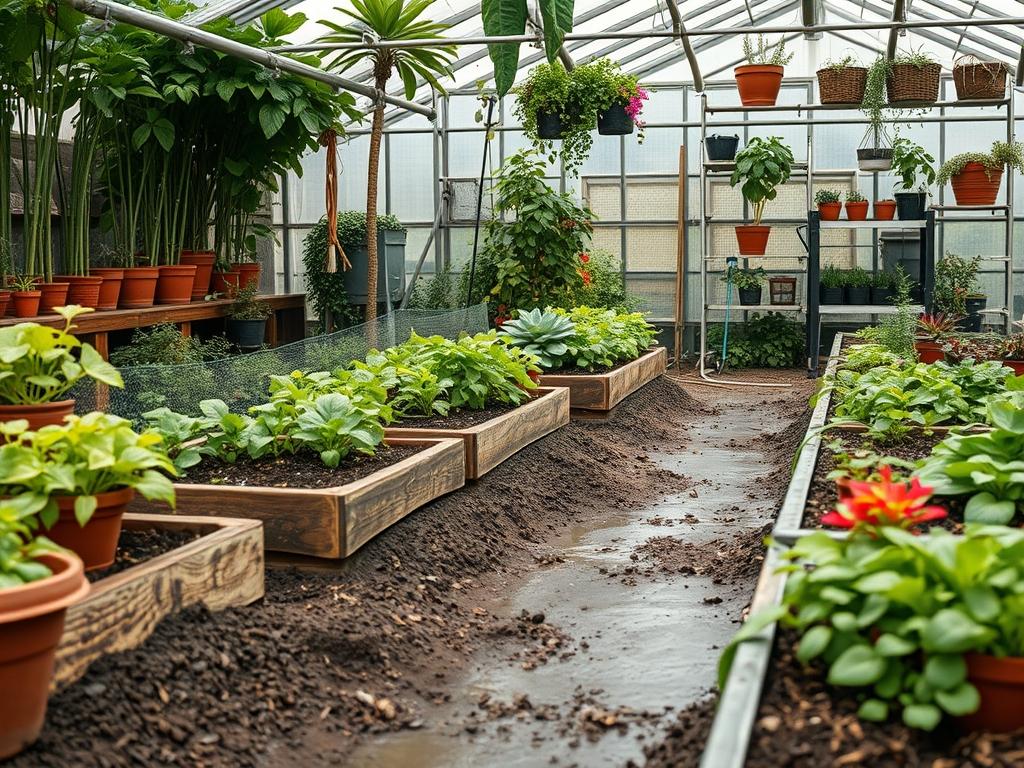
Modern landscaping has evolved far beyond the simple aesthetics of a manicured lawn and a few perimeter shrubs. Today, the primary challenge for any outdoor consultant is balancing visual grandeur with environmental stewardship and climate resilience. High-performing landscapes must now mitigate the effects of prolonged heat waves, erratic rainfall patterns, and rising utility costs while maintaining the curb appeal that homeowners demand. At the heart of this transition is the emergence of subsurface moisture management technology. Traditional overhead sprinklers or standard drip lines often fall short because of evaporation, uneven distribution, and surface runoff. To solve these inefficiencies, the integration of Smart Irrigation Mesh Nets has become a hallmark of sophisticated garden planning. These systems provide a revolutionary approach to hydration by delivering water directly to the root zone through a distributed matrix, ensuring that every square inch of the soil profile receives uniform moisture without the waste associated with conventional methods.
Success in outdoor design is not merely about what is visible above the soil; it is about the hidden infrastructure that sustains life. A professional landscape serves as an extension of the home, facilitating a seamless transition between indoor comfort and outdoor functionality. When we design these spaces, we consider the site’s unique microclimate, the orientation of the sun, and the existing soil structure. The goal is to create a self-sustaining ecosystem where plants thrive with minimal intervention. By using Smart Irrigation Mesh Nets, we can achieve a level of precision that was previously impossible. This technology allows us to maintain the health of expansive green spaces and intricate flower beds without the visual clutter of rising sprinkler heads or the maintenance headaches of clogged emitters. It is a strategic investment in the longevity of the landscape, protecting the financial and emotional capital poured into the garden.
Landscape Design Principles
Effective landscape design relies on several foundational principles that guide the arrangement of space and material. Symmetry and visual balance are perhaps the most vital, as they create a sense of order and tranquility. We often use a central focal point, such as a large Specimen Tree or a custom water feature, to anchor the design. From this center, the landscape radiates outward in elevation layers. This layering technique involves placing taller backdrop plants behind medium-sized shrubs and low-lying groundcovers in the foreground. This creates depth and ensures that every plant is visible from key vantage points on the property.
Irrigation planning is the invisible backbone of this design process. Instead of treating water as an afterthought, we incorporate Smart Irrigation Mesh Nets into the initial site plan. This allows us to map out hydro-zones, which are areas where plants with similar water requirements are grouped together. By doing so, we prevent the common mistake of overwatering drought-tolerant species while starving moisture-loving plants. The mesh net acts as a capillary delivery system, spreading water horizontally through the soil. This prevents the “puddling” effect often seen with drip emitters and ensures that the entire root mass of a hedge or a flower bed is nourished.
Furthermore, walkways and hardscaping elements must be balanced with softscaping. The use of Flagstone or Permeable Pavers provides structure, but these materials can also create heat islands. Smart Irrigation Mesh Nets help cool the surrounding soil and vegetation, mitigating the radiant heat from stone surfaces. Visual balance is achieved when the weight of the hardscape is countered by lush, healthy greenery, a feat made much easier when the irrigation system is automated and responsive to real-time weather data.
Plant and Material Selection
Selecting the right flora is a critical step that dictates the maintenance schedule and long-term viability of the project. The following table highlights diverse plant types and their requirements within a professionally managed landscape.
| Plant Type | Sun Exposure | Soil Needs | Water Demand | Growth Speed | Maintenance Level |
| :— | :— | :— | :— | :— | :— |
| Lavender (Lavandula) | Full Sun | Sandy/Well-Drained | Low | Medium | Low |
| Japanese Maple | Partial Shade | Loamy/Rich | Medium | Slow | Medium |
| Blue Fescue | Full Sun | Well-Drained | Low | Medium | Low |
| Hosta (Various) | Full Shade | Rich/Moist | High | Fast | Low |
| Boxwood (Buxus) | Partial Sun | Clay-Loam | Medium | Slow | Medium |
| Switchgrass | Full Sun | Adaptable | Low | Fast | Very Low |
Implementation Strategy
The transition from a design concept to a finished garden requires a meticulous, multi-step implementation strategy. The first phase is site preparation, which begins with professional grading. Proper grading ensures that water flows away from the home’s foundation and toward designated drainage areas. During this phase, we also address soil compaction. Using a Power Tiller, we break up the earth to a depth of at least 12 inches to allow for proper air and water circulation.
Once the grade is set, we lay the Smart Irrigation Mesh Nets across the planting zones. Unlike traditional tubing, the mesh is flexible and can be cut to fit the specific contours of the garden beds. It is typically installed 4 to 6 inches below the finished soil grade. This depth protects the system from surface damage, such as foot traffic or gardening tools, while placing the water source exactly where the roots need it. After the mesh is secured, we connect it to a Smart Controller equipped with Soil Moisture Sensors. These sensors communicate with the mesh to release water only when the volumetric water content of the soil drops below a specific threshold.
After the irrigation layer is established, we proceed with planting. We use Pointed Shovels to create holes that are twice as wide as the plant’s root ball, ensuring the mesh remains undisturbed during the process. Once the plants are in the ground, we apply a layer of Hardwood Mulch at a depth of 3 inches. This mulch serves three purposes: it suppresses weeds, regulates soil temperature, and further reduces evaporation, working in tandem with the subsurface mesh to create a highly efficient hydration loop.
Common Landscaping Failures
Many residential landscapes fail due to systemic errors in the early stages of development. One of the most frequent issues is poor drainage. When water is allowed to stagnate, it leads to root rot and the eventual death of expensive specimens. Many homeowners try to compensate for poor soil drainage by watering more, which only exacerbates the problem. Another common failure is root overcrowding. When plants are placed too close together to achieve an “instant” full look, they quickly compete for nutrients and water. Within three years, the strongest plants will choke out the weaker ones, leaving gaps in the design.
Irrigation inefficiency is perhaps the greatest cause of landscape decline. Traditional systems often lead to “dry spots” because of wind drift or blocked spray heads. Over time, these dry spots cause stress to the plants, making them more susceptible to pests and diseases. By using Smart Irrigation Mesh Nets, we eliminate the reliance on aerial spraying. Furthermore, soil compaction is often overlooked. If the soil is too dense, water from a standard sprinkler will simply run off the surface rather than penetrating the root zone. Subsurface mesh systems bypass this surface tension, delivering moisture directly through the compacted layers via capillary action.
Seasonal Maintenance
A professional landscape is a living entity that requires seasonal adjustments to stay in peak condition. In the spring, the focus is on reactivation and clearing. We check the Smart Controller to ensure the software is updated and the sensors are calibrated. We also clear away any debris that may have accumulated over the winter and apply a fresh layer of mulch. This is also the best time for “deadheading” perennials and pruning any winter-damaged branches from shrubs.
Summer maintenance is primarily about water management. As temperatures rise, we monitor the data from the Smart Irrigation Mesh Nets to ensure the system is keeping up with the increased evapotranspiration rates. It is important to avoid pruning during extreme heat, as this can stress the plants. Instead, we focus on integrated pest management and ensuring that the lawn is mowed at a higher setting, roughly 3.5 inches, to shade the soil and protect the grass roots.
In the autumn, we prepare the landscape for dormancy. This involves a final deep watering and the application of a high-potassium fertilizer to strengthen root systems against the coming cold. We also clean out gutters and ensure that drainage swales are clear of fallen leaves. For those in colder climates, winterizing the irrigation system is essential. This involves blowing out any residual water from the lines to prevent freezing and cracking, though Smart Irrigation Mesh Nets are generally more resilient to frost than traditional PVC piping because of their flexible polymer construction.
Professional Landscaping FAQ
How long do Smart Irrigation Mesh Nets last?
These systems are typically manufactured from high-density, UV-resistant polymers designed to last 20 to 25 years. Because they are buried beneath the soil, they are protected from the degrading effects of direct sunlight and mechanical damage from lawn equipment.
Can I install the mesh net under an existing lawn?
While it is easiest during new construction, the mesh can be retrofitted. This usually involves using a sod cutter to remove strips of grass, laying the mesh, and then replacing the turf. It is a highly effective way to eliminate surface puddling.
Will the mesh system save money on my water bill?
Yes, most users see a reduction in water consumption of 40 to 60 percent. By eliminating evaporation and runoff while using precision sensors, the system only uses the exact amount of water required to maintain optimal soil moisture levels.
Does the mesh get clogged by soil or roots?
Quality Smart Irrigation Mesh Nets use specialized emitters or antimicrobial coatings that resist root intrusion. Additionally, the low-pressure nature of the system prevents soil particles from being forced into the delivery points, ensuring consistent flow over many years of operation.
Can the system be controlled via a smartphone?
Most modern systems integrate with Wi-Fi-enabled controllers. This allows you to monitor soil moisture, adjust schedules, and receive alerts about leaks or sensor malfunctions directly on your mobile device, providing total control from anywhere in the world.