
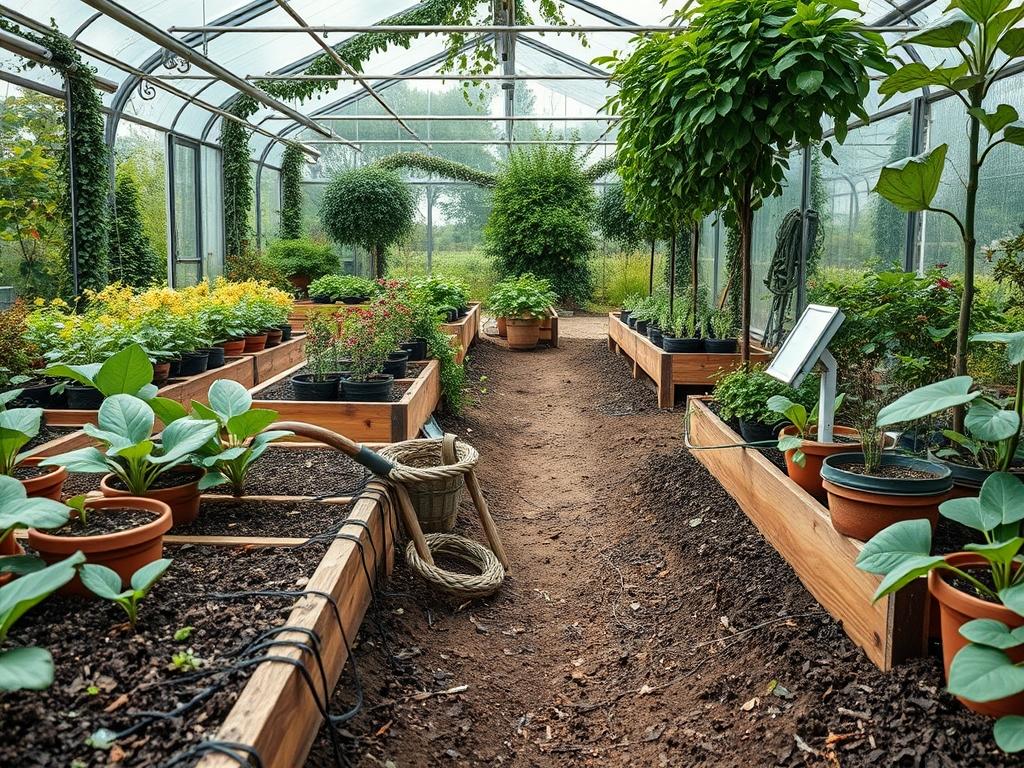
Modern landscape architecture is currently undergoing a significant shift from purely aesthetic design to data-driven environmental management. Integrating technology into the outdoor environment requires a balance between natural beauty and technical precision. When homeowners or commercial developers seek to improve their outdoor spaces, the ultimate goals usually involve increasing curb appeal, ensuring plant longevity, and reducing resource waste. A professional Smart Garden Sensor Setup serves as the vital link between these objectives. By monitoring soil moisture, sunlight intensity, and ambient temperature, these devices allow for a responsive landscape that adapts to local microclimates rather than relying on static, inefficient schedules. The success of such a system depends heavily on the initial site analysis and the strategic placement of components within the broader landscape plan.
Achieving a high-end look while maintaining functionality is the hallmark of a well-executed landscape. This process begins with an understanding of the topography and how water moves across the property. Whether dealing with a flat suburban lot or a steep hillside, the environmental consultant must account for drainage patterns and soil composition. A garden that looks beautiful but suffers from poor drainage will eventually face root rot and plant death. This is why the integration of sensors is not just a luxury, it is a risk management strategy. By placing sensors in various zones, designers can gather real-time data to adjust irrigation levels, ensuring that water reaches the root zones of native plants and ornamentals without causing runoff or erosion.
Landscape Design Principles
Effective landscape design rests on the pillar of symmetry and visual balance. This does not always mean a mirrored layout; rather, it refers to the weight of plant masses, hardscape structures, and open spaces. Focal points, such as a large Specimen Tree or a custom Retaining Wall, draw the eye and provide a sense of purpose to the garden. When planning the layout, elevation layers are essential for creating depth. By placing shorter perennials in the foreground and taller shrubs or trees in the background, you create a tiered effect that mimics natural ecosystems. This layering also affects the Smart Garden Sensor Setup, as sensors must be positioned to reflect the needs of each specific layer. A moisture sensor near a deep-rooted Oak tree should be calibrated differently than one placed in a shallow bed of Petunias.
Irrigation planning is perhaps the most technical aspect of the design principles. Hydrozoning, the practice of grouping plants with similar water needs together, is the golden rule for modern gardeners. By creating distinct zones, you can tailor your irrigation system to provide the exact amount of hydration required. Walkways and hardscaping should be designed to complement these zones, providing access for maintenance while also acting as natural barriers to prevent the spread of invasive species or diseases. Visual balance is maintained through the thoughtful use of texture and color, ensuring that the hardscape materials, such as Granite Pavers or Flagstone, harmonize with the organic elements of the garden.
Plant and Material Selection
Selecting the right materials and flora is the foundation of a resilient landscape. Below is a professional guide for common selections used in modern, sensor-integrated designs.
| Plant Type | Sun Exposure | Soil Needs | Water Demand | Growth Speed | Maintenance Level |
| :— | :— | :— | :— | :— | :— |
| Buxus (Boxwood) | Full Sun to Part Shade | Well-drained, Neutral | Moderate | Slow | Medium |
| Lavandula (Lavender) | Full Sun | Sandy, Gritty | Low | Medium | Low |
| Festuca (Tall Fescue) | Full Sun to Light Shade | Loamy, Moist | High | Fast | High |
| Echinacea (Coneflower) | Full Sun | Adaptable, Well-drained | Low | Medium | Low |
| Acer palmatum (Japanese Maple) | Dappled Shade | Rich, Acidic | Moderate | Slow to Medium | Moderate |
| Hydrangea macrophylla | Part Shade | Rich, Consistent Moisture | High | Fast | High |
Implementation Strategy
The transition from a blueprint to a physical garden requires a disciplined implementation strategy. The first step involves grading the land. Proper grading ensures that water flows away from structures and toward intended drainage areas or collection basins. A Laser Level is often used to ensure a 2 percent slope, which is generally sufficient for most residential applications. Once the grading is complete, the installation of sub-grade infrastructure occurs. This includes your main PVC Pipes for irrigation and any conduits for a hardwired Smart Garden Sensor Setup. Even if the sensors are wireless, the gateway or hub may require a specific location with a clear line of sight to the garden.
Edging and hardscaping come next. Using Steel Edging or Concrete Pavers creates clean lines that separate lawn areas from planting beds. This prevents grass from encroaching on delicate ornamentals and makes it easier for sensors to detect distinct moisture profiles between the two areas. When it comes to planting, the hole should be twice as wide as the root ball but no deeper. This encourages lateral root growth into the surrounding soil. After planting, applying a 3-inch layer of Mulch is critical. Cedar Mulch or Pine Bark helps retain moisture, suppresses weeds, and regulates soil temperature. For the sensors, placement involves inserting the probe into the soil at a depth that matches the majority of the plant’s root system, usually between 6 and 10 inches for most shrubs.
Common Landscaping Failures
Many landscaping projects fail because of a lack of foresight regarding drainage and soil physics. Soil compaction is a frequent culprit; when heavy machinery is used during construction, the air pockets in the soil are crushed. This prevents water and oxygen from reaching roots, leading to a stunted landscape regardless of how much water is applied. Another common mistake is improper spacing. It is tempting to plant closely for immediate impact, but this leads to root overcrowding and competition for nutrients within three to five years. A professional Smart Garden Sensor Setup can often detect the early onset of these issues by showing consistent moisture stress even after irrigation cycles.
Irrigation inefficiencies are also a widespread problem. Over-watering is just as damaging as under-watering, as it leads to fungal diseases and anaerobic soil conditions. Many homeowners install high-flow sprinkler heads in areas where Drip Irrigation would be more appropriate. Furthermore, failing to account for the “rain shadow” effect near tall walls or under thick tree canopies can lead to dry spots that sensors will quickly identify. Placing a sensor in a low spot where water naturally pools will give a false reading for the rest of the zone, leading the system to under-water the surrounding area. Accurate placement is the most important factor in the entire setup.
Seasonal Maintenance
A landscape is a living, breathing entity that requires different care as the seasons change. In the spring, the focus is on rejuvenation. This involves clearing away winter debris, applying a fresh layer of Compost, and testing the Smart Garden Sensor Setup to ensure batteries are charged and connections are stable. As the weather warms into summer, irrigation management becomes the priority. This is the time to rely heavily on sensor data to avoid the mid-day wilt. Adjusting the frequency of watering rather than the duration is often the most effective way to help plants survive extreme heat.
Autumn is the season for preparation and planting. The cooler air and still-warm soil provide the perfect environment for new root growth. It is also the time to apply Slow-release Fertilizer to provide nutrients for the dormant months. Finally, winter maintenance is about protection. In colder climates, irrigation systems must be blown out with an Air Compressor to prevent pipes from bursting. Sensors should be checked to see if they are rated for freezing temperatures. If they are not, they should be removed, cleaned with a Microfiber Cloth, and stored indoors until the ground thaws. Replacing the O-rings on valves and checking for leaks in the early winter can prevent major headaches when the system is restarted in the spring.
Professional Landscaping FAQ
How many sensors do I need for a standard backyard?
Typically, you should install one sensor per irrigation zone or microclimate. A standard yard with a lawn, a flower bed, and a vegetable garden would benefit from at least three sensors to provide accurate data for the entire Smart Garden Sensor Setup.
Can sensors work in heavy clay soil?
Yes, but they require calibration. Clay retains moisture longer than sand, meaning the sensor will report higher moisture levels for extended periods. Most high-quality sensors allow you to adjust the soil type settings within their companion software for better accuracy.
Where is the best place to put a light sensor?
Light sensors should be placed at the average height of the plants they are monitoring. Ensure they are not shaded by garden ornaments or taller plants that do not represent the overall light exposure of that specific landscape zone.
Do smart sensors replace the need for manual inspection?
While sensors provide invaluable data, they do not replace the human eye. You should still walk your garden weekly to check for pests, physical damage to Retaining Walls, or signs of disease that a moisture sensor might not catch.
How often should I calibrate my soil sensors?
Professional architects recommend calibrating your Smart Garden Sensor Setup once at the start of the growing season. If you notice a sudden discrepancy between the data and the physical appearance of the plants, a mid-season recalibration may be necessary.