
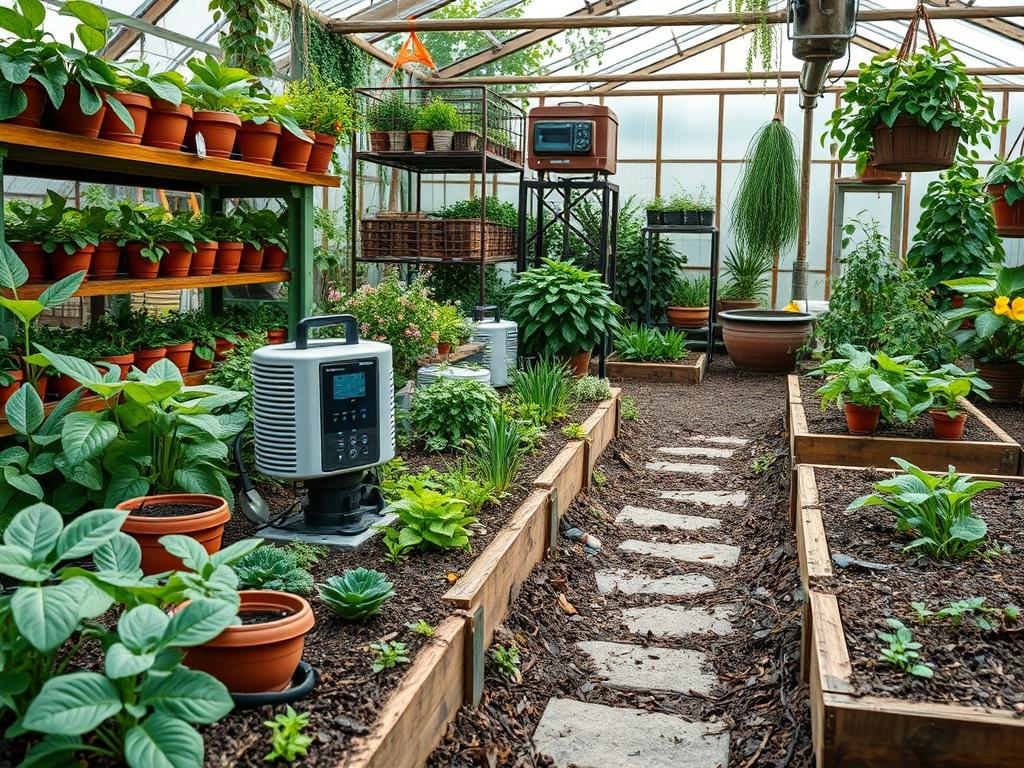
The modernization of suburban and urban landscapes has evolved far beyond the simple placement of shrubs and turf. Today, a successful outdoor environment acts as a living extension of the architecture it surrounds, requiring a sophisticated balance between aesthetic ambition and resource management. Achieving high curb appeal while maintaining ecological responsibility poses a significant challenge, especially in regions facing unpredictable precipitation or extreme heat. The core of this challenge lies in water distribution. Without a precise method to manage local hydro-zones, even the most expensive horticultural displays will eventually succumb to stress. This is where the integration of Smart Garden Pump Controllers becomes vital. These devices represent the bridge between traditional hydraulic engineering and modern digital convenience, allowing a landscape architect to monitor moisture levels, pressure thresholds, and flow rates from a remote interface. By transitioning to smart automation, a property owner secures the longevity of their botanical investment and ensures that every gallon of water is utilized with maximum efficiency.
Landscape Design Principles
Professional landscape design relies on a structured hierarchy of visual and functional elements. Symmetry serves as the foundational tool for formal gardens, where mirrored plantings create a sense of order and permanence. In contrast, asymmetrical designs often utilize focal points like a specimen tree or a custom retaining wall to guide the eye through a more naturalistic flow. Elevation layers are equally critical; they prevent a flat, uninspired appearance by introducing vertical depth. We achieve this through the use of raised beds, terraced slopes, and varied plant heights.
In any high-end design, irrigation planning must occur during the conceptual phase rather than as an afterthought. Designing for Smart Garden Pump Controllers allows for the creation of intricate hydro-zones. For instance, a slope featuring creeping juniper requires a different moisture profile than a low-lying area populated by hostas. By integrating smart tech, we can ensure that elevation changes do not result in uneven water distribution. Furthermore, the placement of walkways and hardscaping must account for the subterranean layout of PVC pipes and conduit lines. Visual balance is maintained when the mechanical components of the garden, such as pump housings or valve boxes, are discreetly tucked behind evergreen screens or integrated into the structural layout of the deck.
Plant and Material Selection
Choosing the right components for a landscape involves analyzing the micro-climate of the specific site. The following table provides a selection of versatile plants that benefit from the precision of automated irrigation systems.
| Plant Type | Sun Exposure | Soil Needs | Water Demand | Growth Speed | Maintenance Level |
| :— | :— | :— | :— | :— | :— |
| English Lavender | Full Sun | Well-drained, Sandy | Low | Moderate | Medium |
| Japanese Maple | Partial Shade | Loamy, Acidic | Moderate | Slow | High |
| Switchgrass | Full Sun | Adaptable | Low to Moderate | Fast | Low |
| Hydrangea Macrophylla | Morning Sun | Rich, Moist | High | Fast | High |
| Boxwood Shrub | Full to Part Sun | Well-drained | Moderate | Slow | Medium |
| Coneflower | Full Sun | Average | Low | Moderate | Low |
For materials, we prioritize durability. Using crushed granite for paths or hardwood mulch at a depth of 3 inches helps retain soil moisture, which complements the work of the Smart Garden Pump Controllers. When selecting hardware, stainless steel fittings and weatherproof enclosures are non-negotiable for long-term reliability.
Implementation Strategy
The successful implementation of a landscape plan starts with proper grading. The ground must be sloped away from the home foundation at a minimum grade of 2 percent to prevent structural water damage. Once the terrain is shaped, we establish the primary drainage routes. This often involves installing French drains or catch basins in areas prone to pooling.
After the skeleton of the yard is set, we lay the irrigation infrastructure. High-efficiency Smart Garden Pump Controllers are installed near the primary water source, often protected by a decorative yet accessible utility cover. We install mainline piping at a depth of at least 12 inches to protect against frost and surface impact. Edging is then applied to create crisp boundaries between turf, garden beds, and hardscaping. We recommend steel edging or paver borders to prevent grass encroachment. Finally, adding 2 to 4 inches of organic mulch regulates soil temperature and provides a finished, professional look. This layered approach ensures that the “smart” aspects of the garden are supported by sound physical engineering.
Common Landscaping Failures
The most frequent error in residential landscaping is poor drainage. Even the most advanced Smart Garden Pump Controllers cannot fix a garden that lives in a permanent swamp because of poor grading. Excessive water accumulation leads to soil compaction and root rot, which can kill established trees within a single season. Another common mistake is root overcrowding. Designing with the “mature size” of a plant in mind is essential. If a white oak is planted too close to a retaining wall, the eventual root expansion will compromise the structural integrity of the stone.
Improper spacing and irrigation inefficiencies also plague many DIY projects. Many homeowners install too many heads on a single zone, which drops the water pressure below the functional threshold. This results in “dry spots” despite the pump running at full capacity. Furthermore, failing to account for soil type can lead to disaster. Clay-heavy soils require slower, more frequent watering cycles, whereas sandy soils require rapid delivery. Smart systems help mitigate this by using weather sensors and flow meters to adjust output based on real-time evaporation rates, but the initial physical layout must still be fundamentally sound.
Seasonal Maintenance
Landscape management is a year-round commitment. In the spring, the focus is on reactivation. This includes testing the Smart Garden Pump Controllers, flushing the irrigation lines, and applying a slow-release fertilizer. It is also the time to inspect for winter damage to any retaining walls or stone pathways.
Summer maintenance centers on heat stress management. During this period, we adjust the smart controller settings to account for higher transpiration rates. We recommend deep watering cycles in the early morning, around 5:00 AM, to minimize evaporation.
Autumn is the season for preparation and planting. It is the best time to install deciduous trees and perennials, as the cooler air and warm soil encourage root growth without the stress of high heat. We also begin the process of leaf removal to prevent the suffocation of the turf.
In winter, the primary goal is protection. In colder climates, irrigation systems must be “blown out” using an air compressor to remove all standing water from the pipes. The Smart Garden Pump Controllers should be powered down or set to a standby mode, and sensitive plants may require burlap wraps to protect against desiccation from harsh winter winds.
Professional Landscaping FAQ
How do smart controllers save money on water bills?
These devices use local weather data and soil moisture sensors to prevent watering during rain events. By delivering only the precise amount of water needed, they reduce waste by up to 50 percent compared to traditional manual timers.
What is the ideal mulch depth for garden beds?
A depth of 2 to 3 inches is generally recommended. This is thick enough to suppress weed growth and retain moisture effectively, but not so thick that it prevents oxygen from reaching the root systems of your plants.
How often should I check my irrigation pump?
You should perform a visual and functional inspection at least once every season. Check for leaks in the check valves, ensure the suction line is clear of debris, and verify that the smart interface is receiving a strong signal.
Can I integrate a fountain into my smart system?
Yes, most Smart Garden Pump Controllers feature multiple zones or auxiliary ports. You can program your water feature to run on a specific schedule, ensuring the pump only operates when you are home to enjoy the focal point.
Why is native plant selection so important?
Native plants are evolutionarily adapted to your local climate and soil conditions. They typically require less supplemental water, fewer chemical fertilizers, and provide essential habitats for local pollinators, making them the most sustainable choice for modern landscapes.