
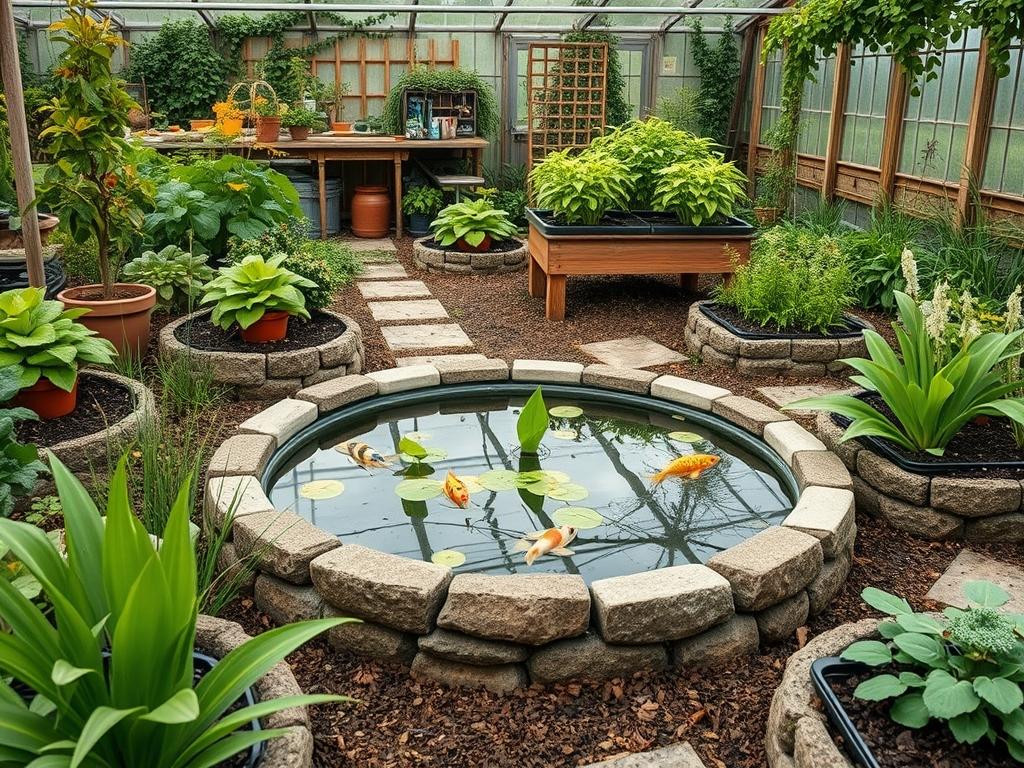
Designing a modern outdoor space requires a delicate balance between organic beauty and technological precision. As we move toward more integrated homes, App-Controlled Garden Ponds have emerged as a central feature for homeowners seeking both tranquility and high-tech convenience. These systems allow for real-time monitoring of water quality, temperature, and pump performance, transforming a traditional water feature into a responsive ecosystem. Effective landscaping for these ponds starts with understanding the unique climate of the site. A pond in a sun-drenched southern yard requires different cooling and filtration strategies than one tucked into a shaded northern corner. Curb appeal is significantly enhanced when the pond feels like a natural extension of the home architecture rather than a late addition. Beyond aesthetics, the primary goal of a smart pond is functionality. By using cloud-based controls, we can now manage oxygen levels and nitrogen cycles from a smartphone, ensuring that the biological health of the environment is maintained even when the property owners are traveling. This fusion of senior-level horticultural knowledge and digital infrastructure creates a landscape that is both resilient and breathtaking.
Landscape Design Principles
Successful pond integration relies on the traditional principles of symmetry and focal points, but with a modern twist for accessibility. When planning for App-Controlled Garden Ponds, the placement of the internal hardware is as important as the placement of the water itself. We often utilize the concept of elevation layers to create visual interest. For instance, a cascading waterfall provides aeration while also creating a naturalistic barrier for the Wi-Fi range extender hum. This allows the digital connectivity to remain hidden within the rockwork.
Visual balance is achieved by following the rule of thirds. The water surface should occupy about one third of the designated feature area, with the remaining two thirds dedicated to rock outcroppings, aquatic planting shelves, and surrounding terrestrial beds. Irrigation planning must also be integrated into the pond design. A smart pond can often be linked to an automatic fill valve that monitors water levels via a ultrasonic sensor. When evaporation occurs, the system adds water without human intervention. Walkways should be designed to lead the eye toward the pond, using materials like flagstone or decomposed granite to provide a stable, pervious surface. These paths should offer clear access to the skimmer box and the control hub, as these areas require occasional physical inspection despite the app-based automation.
Plant and Material Selection
The following table outlines the essential plants and materials for a balanced smart pond environment. These selections are chosen for their ability to thrive in a managed ecosystem where water parameters are tightly controlled.
| Plant Type | Sun Exposure | Soil Needs | Water Demand | Growth Speed | Maintenance Level |
| :— | :— | :— | :— | :— | :— |
| Nymphaea (Water Lily) | Full Sun | Aquatic Mix | Permanent Submersion | Moderate | Medium |
| Japanese Forest Grass | Part Shade | Well-Drained | Moderate | Slow | Low |
| Broadleaf Cattail | Full Sun | Heavy Clay/Silt | High | Fast | High |
| Creeping Jenny | Full to Part Sun | Rich Loam | High | Very Fast | Low |
| Yellow Flag Iris | Full Sun | Saturated Soil | High | Moderate | Medium |
| Carex (Sedge) | Part Shade | Moist Soil | High | Moderate | Low |
For hardscaping materials, we recommend EPDM liners of at least 45 mil thickness for durability. Surrounding stones should include a mix of river rock, cobblestone, and boulders to mimic a natural riparian zone. Using black pond foam helps to secure the stones and direct water flow over the edges of waterfalls, preventing hidden leaks that could skew the sensors in your app-based management system.
Implementation Strategy
The construction of a smart pond begins with precise grading. The site must be excavated to a depth of at least 24 inches to ensure a stable thermal mass for koi or goldfish, especially if the app is monitoring temperature fluctuations. Once the hole is dug, a 2 inch layer of sand or specialized underlayment should be applied to protect the liner from sharp stones or roots. Drainage is the most critical factor during this phase. The area surrounding the pond must be graded so that heavy rainfall flows away from the water feature. This prevents lawn chemicals and debris from washing into the pond and overwhelming the biological filter.
When installing the edging, we specify a “shelf” system. The first shelf should be roughly 8 inches deep to support marginal plants. The second shelf, at 18 inches, provides a safety ledge and a place for deeper aquatic species. As you lay the liner, ensure there is enough slack to accommodate the weight of the water. This is when the hardscaping for the submersible pump and smart dosing system is finalized. Secure the conduit for electrical lines and sensors at this stage; they should be buried at least 12 inches deep to avoid damage from aerators or shovels. Finally, apply a layer of shredded hardwood mulch or pine bark to the surrounding beds, keeping a clear gap of at least 6 inches from the water edge to prevent the mulch from leaching tannins into the pond.
Common Landscaping Failures
The most frequent mistake in pond management is poor drainage planning. If the pond is the lowest point in the yard, it acts as a basin for all runoff. This causes sudden spikes in ammonia and phosphates, which the app will report as a critical alarm, but the solution is physical, not digital. Soil compaction is another silent killer of pond health. When heavy machinery or frequent foot traffic compresses the soil near the pond, it can cause the liner to shift or tear, leading to mysterious water loss.
Root overcrowding is often overlooked during the initial planting. Species like Yellow Flag Iris are beautiful but have aggressive root systems that can penetrate thin liners or clog the intake screens of the pump. Improper spacing of the smart sensors can also lead to faulty data. For example, if a temperature probe is placed too close to a waterfall inlet, it will read the ambient air temperature rather than the deep-water temperature where the fish reside. Finally, irrigation inefficiencies occur when homeowners fail to account for the pond in their overall water budget. A smart pond should be a closed loop; if you are constantly adding water, you likely have a leak in the external plumbing or the waterfall weir.
Seasonal Maintenance
Spring is the season of calibration. You must perform a partial water change of about 20 percent and clean the filter mats. Check the app for firmware updates to the controller and ensure the UV clarifier bulb is functioning correctly. As the water warms to 55 degrees Fahrenheit, you can begin feeding the fish and adjusting the automated dosing for beneficial bacteria.
Summer maintenance focuses on oxygenation. High temperatures reduce the water’s ability to hold oxygen; therefore, you should use the app to increase the flow rate of the aeration pump during the night. Monitor the dissolved oxygen levels closely during heatwaves. In Autumn, the priority shifts to debris management. Installing a pond net prevents leaves from falling in and rotting, which would otherwise cause a massive spike in nitrates. You can also use the app to track the temperature and determine exactly when to stop feeding the fish as their metabolism slows.
Winter requires the installation of a de-icer or a bubbler to keep a hole open in the ice for gas exchange. The smart system will alert you if the heater fails, which is a life-saving feature for your aquatic livestock. In regions with heavy snow, ensure the control box is cleared and that the Wi-Fi signal remains strong despite the weather conditions.
Professional Landscaping FAQ
How do I hide the wires and controllers?
We utilize hollow faux rocks or custom-built cedar cabinets to house the Wi-Fi hubs and power outlets. These structures protect the electronics from the elements while maintaining the natural aesthetic of the garden, making the technology virtually invisible to guests.
Will the app-controlled system work during a power outage?
The app will send a notification that the connection is lost. For critical systems, we recommend a battery backup or a dedicated generator for the pump. This ensures the biological filter remains oxygenated and the fish stay healthy until power is restored.
How often should I calibrate the water sensors?
Standard probes for pH and salinity should be cleaned and calibrated every three months. Debris and algae film can build up on the sensors, leading to inaccurate readings in your app. High-quality sensors typically last about two years before replacement.
Can I integrate my pond with my lawn irrigation app?
Many modern smart systems use IFTTT or Zigbee protocols. This allows you to sync your pond water levels with your wider property irrigation. However, most architects prefer keeping the pond on a dedicated controller for increased security and specialized monitoring.
What is the best way to prevent algae via the app?
Use the app to control a smart dosing system that releases precise amounts of liquid enzymes. You can also schedule the UV clarifier to run during peak sunlight hours. This proactive approach prevents algae blooms before they become visible to the eye.