
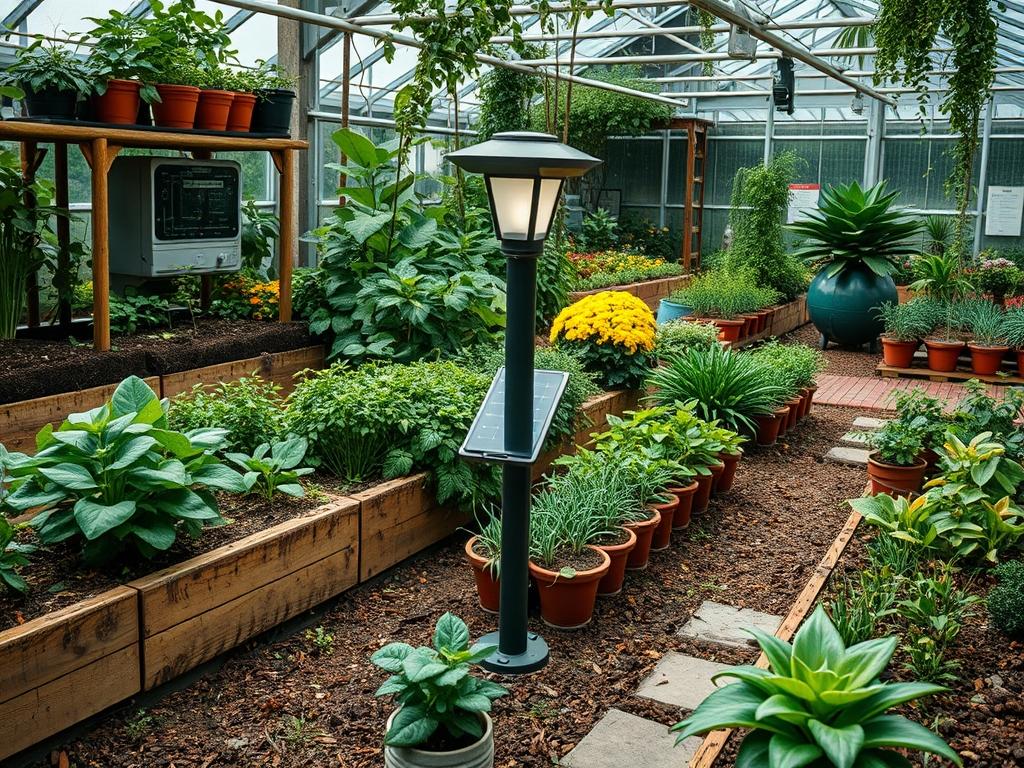
Modern landscape architecture requires a comprehensive understanding of how light interacts with structural boundaries. When we design an outdoor environment, the transition from daylight to evening hours represents a significant shift in both safety and aesthetic value. Incorporating Solar Fence Post Lighting provides a sustainable, cost effective method for defining property lines and enhancing the architectural silhouette of a garden. These fixtures serve as the final touch in a well coordinated plan, acting as beacons that guide the eye along the perimeter while providing enough ambient glow to eliminate dark pockets where security may be a concern. The challenge for most homeowners and contractors lies in selecting products that withstand fluctuating climate conditions while maintaining a high level of curb appeal.
A successful lighting plan considers the “blue hour,” the brief period after sunset when the sky retains a deep azure hue. During this time, the warmth of the lighting should complement the cooling tones of the environment. High quality Solar Fence Post Lighting units utilizing Monocrystalline solar panels and Lithium-ion batteries ensure that the illumination lasts through the night, even after days with limited direct sun. From a design perspective, these lights transform a standard 6 foot wood privacy fence or a modern Composite fence into a deliberate architectural feature. They provide a sense of enclosure and intimacy, turning a vast backyard into a structured “outdoor room” that feels intentional and secure.
Landscape Design Principles
Effective landscaping is built upon the foundation of symmetry and visual balance. When installing Solar Fence Post Lighting, one must consider the rhythmic spacing of the posts. Typically, a standard fence has posts set 8 feet apart. Placing a light on every post creates a repetitive, formal look that works well for traditional estates. Conversely, placing them on every other post creates a softer, more rhythmic pattern that suits cottage style gardens or modern minimalist designs. These lights act as focal points, drawing the eye to the edges of the property and making the space feel larger by defining its furthest reaches.
Elevation layers play a crucial role in how we perceive depth. While ground level path lights illuminate the Paver walkways and Low-growing perennials, the fence post lights provide mid-level illumination. This creates a vertical wash of light that highlights the textures of the fencing material, whether it is Rough-sawn cedar or Smooth vinyl. To achieve the best visual balance, the height of the light must be proportional to the thickness of the post. For a 4×4 inch post, a compact cap light is appropriate, whereas a 6×6 inch post requires a more substantial fixture to avoid looking undersized. Integrating these lights also assists with irrigation planning; by illuminating the perimeter, homeowners can more easily monitor the health of border plants during late evening checks.
Plant and Material Selection
The following table outlines plant species that complement the aesthetic and functional requirements of a perimeter garden enhanced by fence lighting.
| Plant Type | Sun Exposure | Soil Needs | Water Demand | Growth Speed | Maintenance Level |
| :— | :— | :— | :— | :— | :— |
| Boxwood (Buxus) | Full Sun to Partial Shade | Well-drained, Loamy | Moderate | Slow | Medium (Requires Pruning) |
| Lavender (Lavandula) | Full Sun | Sandy, Alkaline | Low | Medium | Low (Prune after bloom) |
| Creeping Phlox | Full Sun | Gritty, Well-drained | Low to Moderate | Fast | Low (Groundcover) |
| Ornamental Grass | Full Sun | Adaptable | Low | Fast | Very Low (Annual Cutback) |
| Standard Rose | Full Sun | Rich, Organic | High | Medium | High (Feeding/Pruning) |
| Hostas | Full Shade to Partial | Moist, Humus-rich | Moderate | Medium | Low (Slug Control) |
Implementation Strategy
Planning a backyard layout begins with professional grading and drainage assessments. Before installing your Solar Fence Post Lighting, ensure the fence line is stable. If the ground is uneven, the lights will appear staggered and messy. Start by using a Transit level or a simple String level to verify that the tops of your posts are uniform. If the fence follows the slope of the land, the lighting will naturally follow that grade, but the transition should be smooth rather than jagged.
Once the structure is sound, focus on the base of the fence. A clear Edging made of Steel or Heavy-duty plastic should be installed to separate the lawn from the planter beds. This prevents grass from encroaching on the fence and protects the posts from String trimmer damage. Behind this edge, add a layer of Landscape fabric followed by 3 inches of hardwood mulch or Decorative river rock. For the lighting installation, use Stainless steel screws to prevent rust streaks from forming on your fence boards over time. Ensure the solar panels are oriented toward the south or west to maximize UV absorption. If your fence is shaded by large Oak trees or Evergreens, look for solar models with detachable panels that can be mounted in a sunnier spot and connected via a thin, hidden wire.
Common Landscaping Failures
The most frequent mistake in perimeter design is poor drainage management. When water pools at the base of a fence, it leads to soil saturation and “frost heave,” which can tilt the posts and ruin the alignment of your Solar Fence Post Lighting. Use Perforated drain tile or French drains in areas where water tends to collect. Another common error is root overcrowding. Planting large shrubs like Privet or Leyland Cypress too close to the fence will eventually push the posts out of alignment as the root systems expand. Always research the mature spread of a plant and give it at least 3 feet of clearance from the fence line.
Improper spacing of lights can also lead to “hot spots” and “dead zones.” If the lights are too bright and too close together, they create a harsh glare that ruins the ambiance. If they are too far apart, the fence disappears into the darkness, creating a chopped-up visual effect. Soil compaction is another silent killer of landscape health. When installing fences, heavy machinery often packs down the earth, making it difficult for new plants to take root. Use a Garden fork or Power auger to loosen the soil and incorporate Organic compost before planting your border.
Seasonal Maintenance
Landscape management is a year-round commitment that changes with the weather. In the Spring, focus on cleaning. Use a damp cloth to wipe the dust and pollen off the Photovoltaic cells of your solar lights. Check the fence posts for any shifting caused by the winter thaw and tighten any loose Hardware. This is also the time to apply a new layer of Cedar mulch to retain moisture for the coming heat.
During the Summer, irrigation efficiency is paramount. Check that your Soaker hoses or Drip emitters are not spraying directly onto the solar fixtures, as mineral deposits from hard water can cloud the lenses. Prune back any fast-growing foliage that might be shading the solar panels. In Autumn, clear away fallen leaves that can trap moisture against the base of the fence and cause rot. This is also a good time to check the battery health; if the lights are turning off early in the evening, the Rechargeable NiMH or Lithium batteries may need replacement after a long season of use.
In Winter, the primary goal is protection. If you live in a region with heavy snowfall, ensure that snow does not bury the lights, as the weight can snap the brackets and the lack of sun will cause the batteries to deep-discharge and fail. Using a Soft-bristle brush, gently remove frost or snow from the tops of the lights to allow for any available charging during the shorter days.
Professional Landscaping FAQ
How long do solar fence post lights typically last?
High quality fixtures generally last 3 to 5 years. The internal Rechargeable batteries usually require replacement every 18 to 24 months to maintain peak brightness throughout the night, while the LED bulbs can last for decades.
Will these lights work in shaded backyards?
Solar panels require at least 4 to 6 hours of direct sunlight. In shaded areas, use lights with Amorphous solar panels, which are more efficient in low light, or remote-mounted panels placed in a sunnier part of the yard.
What brightness level is best for decorative fencing?
For decorative purposes, aiming for 10 to 25 Lumens per light is ideal. This provides a soft, ambient glow without causing light pollution or disturbing neighbors, while still defining the perimeter of your property clearly.
Are solar fence lights waterproof?
Most are rated IP44 or IP65, meaning they are resistant to rain and splashing. However, they should not be submerged. For coastal environments, look for Marine-grade plastic or Powder-coated aluminum to prevent salt air corrosion.
Can I install these on vinyl or composite fencing?
Yes, but you should use Self-tapping screws designed for those materials. Always pre-drill holes to prevent the vinyl from cracking. Many manufacturers offer specific Bracket adapters that fit standard 4×4 or 5×5 vinyl post caps.