
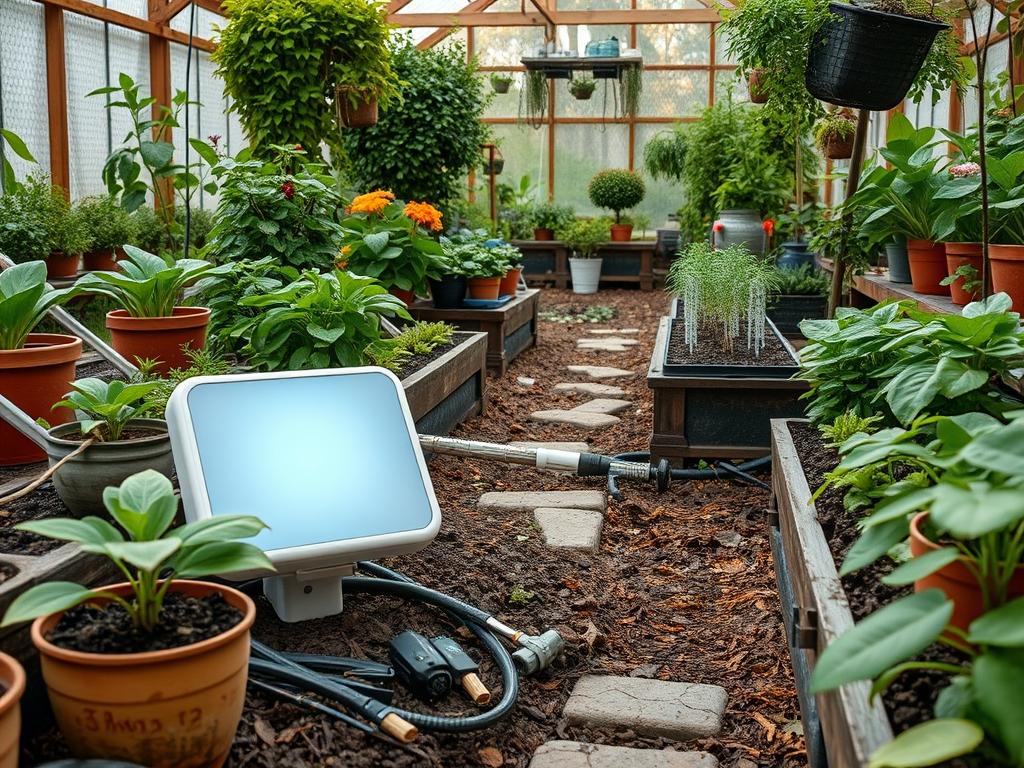
Modern landscaping has undergone a significant paradigm shift. It is no longer sufficient to treat the garden as a static daytime gallery. Instead, the contemporary outdoor environment must perform as a dynamic, twenty four hour extension of the interior living space. This shift requires a meticulous integration of horticulture, civil engineering, and digital automation. At the heart of this evolution is Smart Garden Light Control, a technology that allows homeowners to choreograph their environment with astronomical precision. Achieving a balance between aesthetic curb appeal and functional security involves more than just selecting the right flora. It demands a strategic approach to elevation, drainage, and the orchestration of atmospheric light. The modern architect views the garden as a series of rooms without ceilings, where the transition from dusk to deep night is managed by intelligent systems that respond to movement, time, and climate.
When we consider the site challenges of the twenty first century, we must account for increasingly volatile weather patterns and the necessity for low maintenance durability. A professional landscape must withstand heavy precipitation through advanced drainage systems while maintaining a high level of visual sophistication. Integrated lighting does not merely serve a safety function; it defines the boundaries of the architectural vision. By utilizing a smart hub and low voltage transformers, designers can create zones that highlight specific textures, such as a stacked stone retaining wall or the delicate canopy of a specimen tree. This ensures that the investment in high quality plant materials and hardscaping continues to provide value long after the sun has set.
Landscape Design Principles
Professional landscape design relies on the core concepts of symmetry and visual balance to guide the eye through a space. Symmetry does not always mean a mirror image; rather, it refers to the weight of the elements within the field of vision. A large Evergreen Oak on the left may be balanced by a group of three smaller Boxwoods on the right. Focal points act as the anchors of this composition. These are often highlighted using uplights or well lights integrated into a Smart Garden Light Control system. By varying the intensity of these lights, a designer can create a sense of depth that makes a small backyard feel expansive.
Elevation layers are equally critical in modern planning. A flat garden often feels monotonous and lacks the structural interest required for high end curb appeal. We address this by creating mounds, or berms, and using retaining walls to create distinct terraces. These tiers provide different microclimates for various plant species and offer opportunities for integrated step lighting. Furthermore, the placement of walkways should be intuitive. Whether using flagstone pavers or crushed granite, paths should lead the visitor toward specific destinations, such as a fire pit or an outdoor kitchen. The integration of smart sensors ensures these paths illuminate automatically upon approach, combining elegance with a high degree of technical functionality.
Irrigation planning must be synchronized with the physical layout to ensure no area is overwatered or neglected. Modern systems now utilize weather data to skip cycles during rain events, which preserves both water and soil health. When we pair this with Smart Garden Light Control, we can even coordinate the timing of the two systems. For instance, the sprinkler heads should complete their cycle before the evening lighting sequence begins. This prevents the refraction of light through water droplets from creating unwanted glare or interfering with the clarity of the illuminated landscape.
Plant and Material Selection
The success of any integrated garden depends on selecting the right materials for the specific environment. The following table outlines primary selections for a modern, high performance landscape.
| Plant Type | Sun Exposure | Soil Needs | Water Demand | Growth Speed | Maintenance Level |
| :— | :— | :— | :— | :— | :— |
| Buxus sempervirens | Full Sun to Shade | Well-Drained | Moderate | Slow | High (Pruning) |
| Lavandula angustifolia | Full Sun | Sandy, Alkaline | Low | Medium | Low |
| Acer palmatum | Dappled Shade | Moist, Acidic | High | Slow | Medium |
| Pennisetum alopecuroides| Full Sun | Adaptable | Low | Fast | Very Low |
| Echinacea purpurea | Full Sun | Loamy/Poor | Low | Fast | Low |
| Hydrangea macrophylla | Part Shade | Rich, Organic | High | Medium | Medium |
Implementation Strategy
The transition from a design concept to a finished landscape requires a disciplined, step by step strategy. The first phase is always site preparation, which includes grading the soil to ensure a 2 percent slope away from the home foundation. This prevents water from pooling and protects the structural integrity of the residence. Once the grade is established, the installation of hardscaping begins. This involves laying the sub-base for patios and the structural footings for walls. It is during this phase that we install the conduit for the Smart Garden Light Control system. Running wires in 1 inch PVC pipe beneath the hardscape protects them from future spade strikes and environmental degradation.
After the infrastructure is in place, we address edging. A clean edge between the lawn and the planting beds is necessary for a professional finish. We typically use steel edging or poured concrete curbs to provide a permanent barrier. The planting phase follows, where specimens are placed according to the design plan. Each hole should be twice the width of the root ball to allow for rapid root expansion. Once the plants are in the ground, we apply a 3 inch layer of mulch. Dark organic mulch not only suppresses weeds but also provides a high contrast backdrop for the foliage, making the colors pop under the glow of the LED path lights.
The final step is the calibration of the smart system. This involves positioning the smart bridge within range of the home network and programming the zones. We often create a “Security” scene that utilizes high intensity floodlights and an “Entertainment” scene that dims the lights to a soft 2700K warm white. This level of control allows the environment to adapt to the specific needs of the homeowner, whether they are hosting a gala or seeking a quiet evening of solitude.
Common Landscaping Failures
One of the most frequent mistakes in residential landscaping is the neglect of drainage. Homeowners often focus on the aesthetic beauty of the plants while ignoring how water moves across the surface. Without a proper French drain or catch basin, heavy rains can wash away expensive mulch and drown the root systems of sensitive species. Another common oversight is root overcrowding. It is tempting to plant for “instant impact,” but placing trees too close to each other or to the house can result in structural damage as the roots expand. We recommend checking the mature spread of a species before any digging begins.
Improper spacing and “volcano mulching” also lead to significant plant mortality. Piling mulch high against the trunk of a tree traps moisture and encourages rot and fungal infections. The mulch should be kept a few inches away from the base, resembling a donut rather than a volcano. Furthermore, soil compaction from heavy machinery during the construction phase often goes uncorrected. If the soil is not properly aerated before planting, roots will struggle to penetrate the hard earth, leading to stunted growth. Finally, many people fail to consider the voltage drop in their lighting systems. Without a properly sized transformer and heavy gauge 12/2 wire, the lights at the end of the run will appear significantly dimmer than those near the power source.
Seasonal Maintenance
Landscape management is a year round commitment that changes with the cycles of nature. In the Spring, the focus is on rejuvenation. This is the time for core aeration of the lawn, applying a balanced 10-10-10 fertilizer, and checking the irrigation nozzles for clogs. It is also the perfect window to update the software for your Smart Garden Light Control to ensure any new features or security patches are installed before the heavy usage of the summer months.
Summer maintenance is primarily about stress management. During periods of extreme heat, the irrigation system should be set to run in the early morning hours to minimize evaporation. We also recommend heightening the mower deck to 3.5 inches to shade the soil and protect the grass roots. In the Autumn, the focus shifts to cleanup and preparation for dormancy. Removing fallen leaves prevents them from matting down and killing the turf, while a final application of winterizer fertilizer strengthens the roots for the cold months ahead. Winter is the time for structural pruning of deciduous trees and a thorough inspection of the lighting fixtures. Since the nights are longer, the Smart Garden Light Control system works its hardest. Cleaning the lenses of LED fixtures ensures maximum light output and prevents the buildup of hard water spots.
Professional Landscaping FAQ
How does smart lighting improve my home security?
Smart systems allow for scheduled lighting and motion triggers. This eliminates dark zones where intruders might hide. You can also simulate occupancy while traveling by programming light sequences that mimic natural human activity throughout the evening.
What is the best way to handle poor soil drainage?
Installing a French drain or a dry creek bed is the most effective solution. These features redirect excess surface water away from the foundation and planting beds, utilizing gravity and perforated pipes to manage the runoff effectively.
Can I integrate my garden lights with other smart home devices?
Yes. Most professional systems use protocols like Zigbee or Wi-Fi to connect with hubs. This allows your garden lights to sync with your home alarm, smart speakers, or even your thermostat for a fully unified environment.
How much mulch do I actually need for my garden beds?
A depth of 3 inches is the industry standard. This is enough to retain moisture and suppress weeds without suffocating the soil. Always ensure the mulch is spread evenly and kept away from the direct base of tree trunks.
What is the benefit of using native plants in my design?
Native plants are adapted to your local climate and soil conditions. They typically require less water and fewer chemical treatments. They also provide essential habitats for local pollinators, making your landscape more sustainable and easier to maintain.