
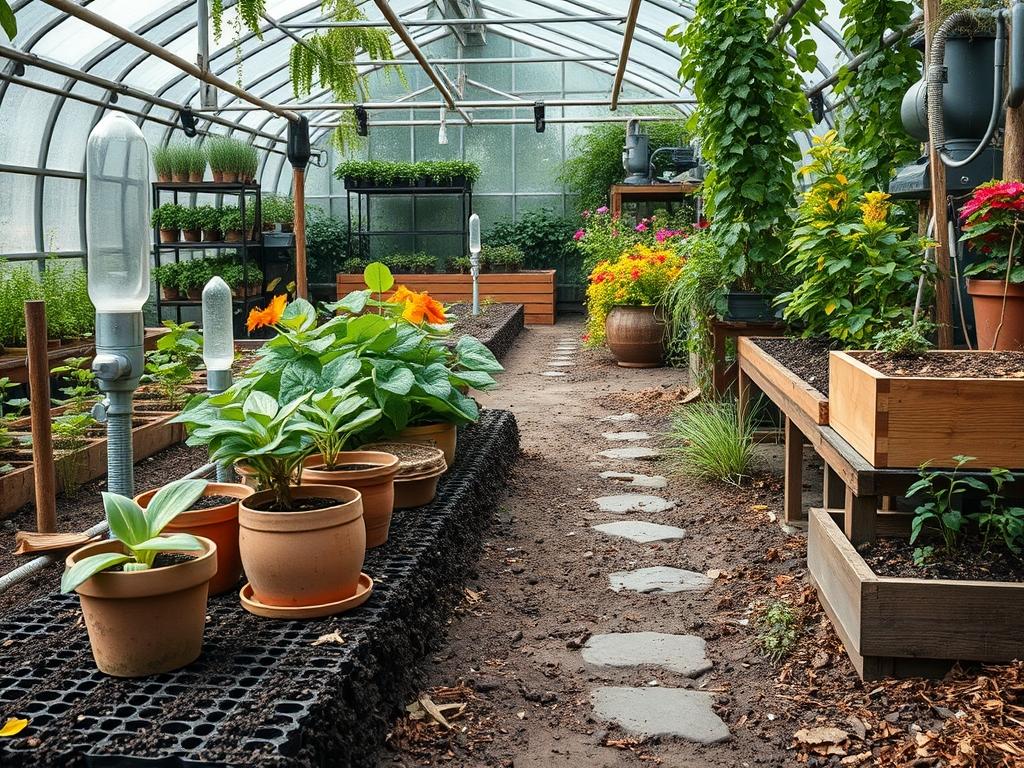
Modern residential landscaping has evolved far beyond simple lawn maintenance and aesthetic flowerbeds; it is now a sophisticated engineering challenge that requires the seamless integration of technology and horticulture. Homeowners often focus on the visual impact of a lush, green canopy or a perfectly manicured lawn, yet the longevity of these investments rests entirely on the invisible infrastructure beneath the soil. Achieving high curb appeal while managing water conservation demands a strategic approach to outdoor functionality. This is particularly true in varying climates where periods of intense heat can stress even the hardiest native plants. To maintain a thriving environment, professionals prioritize the water delivery system, ensuring that the hydraulic pressure is consistent and the water volume is sufficient to reach every corner of the property. Integrating Smart Irrigation Pump Tips into your initial planning phase ensures that your landscape remains resilient, cost-effective, and environmentally responsible over the long term.
Landscape Design Principles
A professional landscape begins with a master plan that balances symmetry and focal points to guide the eye through the environment. We look at the property as a series of outdoor rooms, each defined by elevation layers that create depth and interest. By utilizing retaining walls or natural sloping, a designer can introduce verticality, which prevents a large yard from appearing flat and monotonous. However, these elevation changes present unique challenges for water distribution. A standard gravity-fed system often fails when pushing water uphill to a higher terrace. This is where advanced irrigation planning becomes critical. You must calculate the total dynamic head of your system to ensure your pump can overcome the resistance of height and pipe friction.
Visual balance is achieved through the careful placement of permanent structures like stone walkways and paver patios. These hardscapes should complement the architecture of the home while providing clear pathways for movement. Between these structures, we layer textures using a mix of deciduous trees, evergreen shrubs, and perennial groundcovers. To keep these layers vibrant, we divide the yard into specific hydro-zones. Hydro-zoning groups plants with similar water requirements together, which allows for more efficient watering cycles. A smart irrigation controller, paired with a high-efficiency booster pump, can then tailor the delivery of water to each zone based on soil moisture data and weather forecasts. This precision prevents over-watering in shaded areas while ensuring that sun-drenched focal points receive the hydration they require.
Plant and Material Selection
Selecting the right materials is as much about science as it is about style. The following table outlines several popular choices for modern landscapes, categorized by their environmental needs and growth characteristics.
| Plant Type | Sun Exposure | Soil Needs | Water Demand | Growth Speed | Maintenance Level |
| :— | :— | :— | :— | :— | :— |
| Japanese Maple | Partial Shade | Well-drained | Moderate | Slow | Low |
| Dwarf Boxwood | Full Sun/Shade | Loamy | Low | Slow | Moderate |
| Switchgrass | Full Sun | Sandy/Clay | Low | Fast | Low |
| Hydrangea | Part Sun | Rich/Moist | High | Medium | Moderate |
| Creeping Thyme | Full Sun | Gritty | Very Low | Fast | Low |
| Blue Spruce | Full Sun | Acidic | Moderate | Slow | Low |
For hardscaping, the choice of natural stone or porcelain pavers should dictate the drainage strategy. Non-porous surfaces require a slight grade, typically a 2-percent slope, to direct runoff away from the home foundation and toward designated drainage basins or rain gardens.
Implementation Strategy
The successful implementation of a landscape design requires a disciplined, step-by-step approach. The first and most critical stage is site grading. Proper grading ensures that water does not pool near structures or drown sensitive root systems. Once the sub-grade is established, installers should lay out the primary PVC piping for the irrigation system. It is vital to use Schedule 40 PVC for main lines to withstand the pressure generated by high-performance pumps.
When discussing Smart Irrigation Pump Tips, the focus must remain on flow management. Installing a Variable Frequency Drive (VFD) pump is one of the most effective ways to manage a large property. Unlike traditional pumps that run at one speed, a VFD pump adjusts its motor speed to match the specific demand of the zone currently being watered. This prevents pipe bursts caused by excessive pressure and significantly reduces energy consumption.
After the irrigation lines are tested, we move to edging and hardscaping. Steel edging provides a clean, permanent line between turf and planting beds, preventing grass from encroaching on mulch areas. We recommend applying a 3-inch layer of cedar mulch or pine bark to all planting beds. This layer serves three purposes: it suppresses weeds, regulates soil temperature, and retains moisture, allowing the irrigation system to run less frequently. Finally, when installing the plants, ensure that the root ball is level with the soil surface. Planting too deep can suffocate the roots, while planting too shallow can lead to desiccation.
Common Landscaping Failures
Many projects fail not because of a lack of beauty, but because of poor technical execution. Drainage mistakes are the most common culprit. If a landscape architect fails to account for the volume of water coming off a roof during a storm, the result is often eroded mulch and drowned plants. Another frequent error is improper spacing. It is tempting to plant closely for “instant” impact, but in three to five years, those Emerald Green Arborvitae will begin to compete for nutrients and light, leading to die-back and disease.
Irrigation inefficiencies often stem from a lack of pressure regulation. If the pump pressure is too high, water exits the spray heads as a fine mist that evaporates before it hits the ground. Conversely, low pressure leads to “brown spots” because the water cannot reach the full radius of the sprinkler head. Soil compaction is another silent killer. During construction, heavy machinery compresses the earth, destroying the micropores necessary for air and water movement. Using a core aerator before planting can help restore soil structure, but it is better to limit heavy foot and vehicle traffic during the installation phase.
Seasonal Maintenance
A landscape is a living, breathing entity that changes with the seasons. In the spring, the priority is priming the irrigation pump and checking for leaks caused by winter’s freeze-thaw cycles. This is also the time for a light application of slow-release fertilizer and fresh mulch to replenish minerals lost over the winter. As we move into summer, the focus shifts to monitoring water flow. If you notice a drop in pressure, check the intake screen of your pump for debris. High-heat periods may require an adjustment to your smart controller to increase watering frequency for high-demand zones.
Autumn is the season for renovation. We recommend overseeding the lawn and planting new trees while the soil is still warm but the air is cool. This allows roots to establish without the stress of extreme heat. Finally, winter landscape management is about protection. In colder regions, you must “blow out” the irrigation lines using an air compressor to prevent water from freezing and cracking the pipes. The irrigation pump should be disconnected, drained, and stored in a dry location, or if it is a permanent exterior fixture, it must be properly insulated and heat-traced.
Professional Landscaping FAQ
How do I choose the right size irrigation pump?
Select a pump based on the total gallons per minute required by your largest zone. You must also account for the vertical lift and the friction loss of your polyethylene tubing to ensure adequate pressure reaches every sprinkler head.
Why is my smart irrigation system underperforming?
Performance issues are often caused by dirty flow sensors or incorrect programming of the controller. Ensure your Wi-Fi signal is strong near the pump and that the weather station data reflects your specific micro-climate rather than a general regional forecast.
What is the best way to prevent soil erosion on slopes?
Utilize geotextile fabric and a combination of deep-rooted native grasses and retaining walls. For extreme slopes, a terraced design slows water velocity and allows the irrigation system to penetrate the soil more effectively without significant runoff.
Can I integrate a rain barrel with a smart pump?
Yes; many modern pumps are compatible with rainwater harvesting systems. You will need a centrifugal pump with a built-in filter to handle any sediment and a float switch to prevent the pump from running dry when the barrel is empty.
How often should I mulch my garden beds?
Top off your mulch once a year, preferably in the spring. Aim for a total depth of 3 inches, being careful not to pile mulch against the trunks of trees, which can cause bark rot and invite wood-boring insects.