
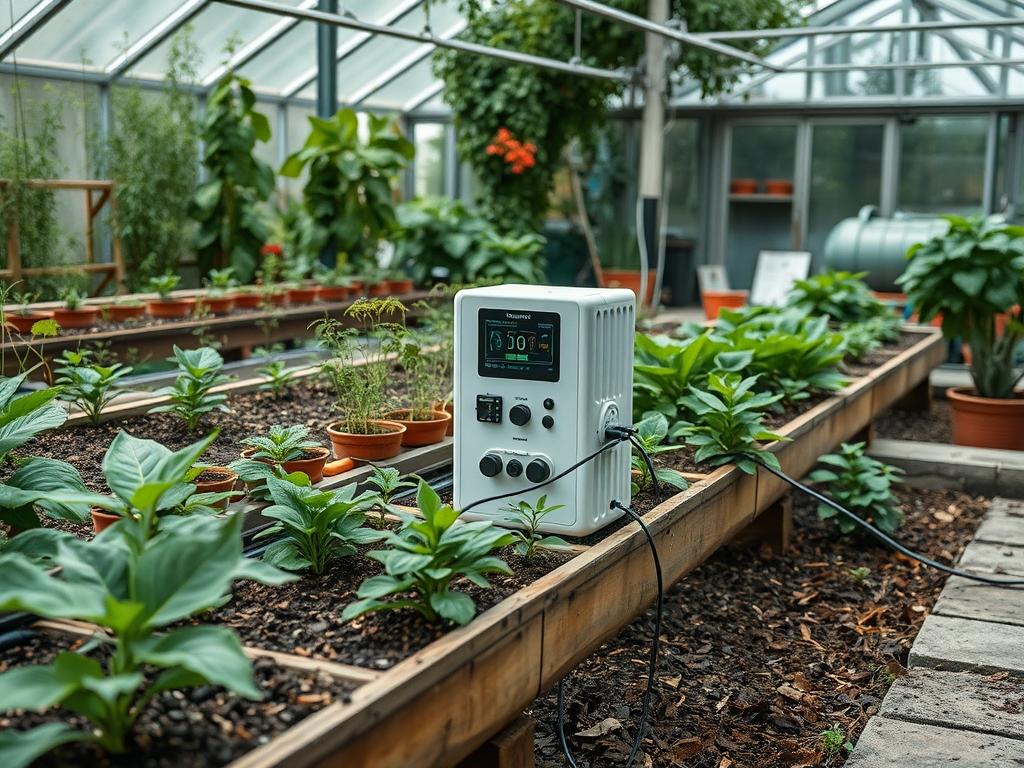
The integration of sophisticated technology into the modern residential landscape is no longer a luxury reserved for the elite, but a fundamental shift in how we approach outdoor living. As homeowners demand more from their exterior environments, the role of Automated Garden Power Tech has moved from a secondary consideration to a primary structural requirement. Designing a high-performance landscape requires a meticulous balance of botanical knowledge, civil engineering principles, and electrical infrastructure. This evolution addresses the persistent challenge of maintaining aesthetic curb appeal while housing the complex systems that manage lighting, irrigation, and security. In contemporary design, we view the garden not just as a visual retreat but as a functional extension of the home, subject to the same demands for comfort and efficiency. A successful project integrates these systems so seamlessly that they remain invisible to the naked eye while providing maximum utility. This approach considers regional climate variables, such as high-heat humidity or sub-zero winters, ensuring that the power infrastructure survives the elements long after the initial installation. By focusing on a holistic integration of hardware and nature, we create environments that are both resilient and responsive to the human experience.
Landscape Design Principles
Effective landscape design rests on a foundation of structural integrity and visual psychology. To properly integrate Automated Garden Power Tech, we must first establish a layout that honors the core principles of symmetry and focal points. Symmetry provides a sense of order and calm, often achieved through mirrored plantings or balanced hardscape elements. When placing sub-panels or smart controllers, they should be positioned near these central axes but hidden within the “bones” of the garden, such as behind retaining walls or inside custom-built architectural cabinets.
Focal points serve as the anchor for the eye, whether it is a specimen tree like a Japanese Maple or a large-scale water feature. These areas require dedicated power leads for both LED uplighting and water pump automation. Elevation layers are equally critical; by varying the heights of planting beds, we can conceal conduit runs and junction boxes more effectively than on a flat plane. A tiered approach allows for deeper soil volume, which protects buried lines from the freeze-thaw cycle found in temperate climates.
Walkways are the circulatory system of the yard. They should be planned not just for foot traffic, but as the primary corridors for underground utilities. Installing 3-inch PVC sleeves beneath pavers or flagstone paths during the initial build ensures that future tech upgrades can be finished without excavating the entire garden. Furthermore, visual balance is maintained by distributing the power load and the physical tech hardware throughout the site, preventing a “tech-heavy” look in any single corner. This spatial distribution supports more efficient irrigation planning, as solenoid valves and moisture sensors can be grouped into zones that correspond with specific topographical needs.
Plant and Material Selection
The following table outlines plants and materials that harmonize with an automated environment, specifically chosen for their resilience and compatibility with precision irrigation and lighting systems.
| Plant Type | Sun Exposure | Soil Needs | Water Demand | Growth Speed | Maintenance Level |
| :— | :— | :— | :— | :— | :— |
| Boxwood Shrub | Full Sun/Partial | Well-drained | Moderate | Slow | Low |
| Lavender | Full Sun | Sandy/Gritty | Low | Medium | Medium |
| Japanese Maple | Partial Shade | Loamy/Rich | High | Slow | High |
| Switchgrass | Full Sun | Varied | Low | Fast | Low |
| Hostas | Full Shade | Moist/Organic | Moderate | Medium | Low |
| River Birch | Full Sun | Wet/Acidic | High | Fast | Medium |
| Creeping Thyme | Full Sun | Poor/Dry | Low | Medium | Low |
For hardscaping, the use of 3/4-inch crushed stone for drainage layers and high-density polyethylene (HDPE) for irrigation lines is recommended. These materials withstand the shifts in soil pressure that often occur around heavy electrical infrastructure.
Implementation Strategy
A successful backyard layout begins with professional grading and site preparation. Before any plant is placed, the land must be shaped to move water away from both the home foundation and the electrical hubs of your Automated Garden Power Tech. A slope of at least 2 percent is the industry standard for ensuring proper runoff. Once the grade is established, the “hidden” phase begins. This involves the installation of 12-gauge low-voltage wire for lighting and Schedule 40 PVC conduit for higher-voltage needs.
The next step is the implementation of the hardscape. Whether you are using poured concrete, natural stone, or composite decking, these elements should be installed with integrated channels for wire management. For example, when building retaining walls, we incorporate lighting niches to house recessed fixtures, ensuring the light source is visible but the fixture is protected.
After the hardscape is set, the focus shifts to the “softscape” or planting phase. Edging is crucial here. Using steel edging or heavy-duty plastic pavers, we creates a distinct barrier between lawn and garden beds, preventing power tools and mowers from damaging exposed sensors or ground-level lights. Finally, a 3-inch layer of hardwood mulch or pine bark is applied to all planting beds. This mulch serves two purposes: it retains moisture for the plants and provides a protective thermal blanket for shallow-buried sensor wires and drip irrigation emitters.
Common Landscaping Failures
The most frequent mistake in modern landscape architecture is the failure to address drainage in relation to electrical components. Water accumulation in junction boxes or around smart hubs can lead to system short-circuits and expensive repairs. This is often caused by improper grading or a lack of French drains in low-lying areas. Another significant failure is root overcrowding. Designing a garden without considering the mature size of a species leads to root systems crushing irrigation pipes or lifting expensive paver patios.
Improper spacing is not just a botanical issue; it affects the signal strength of wireless Automated Garden Power Tech. Dense foliage can act as a barrier to Wi-Fi or Zigbee signals required for smart timers. We must plan for “clear air” corridors between the main hub and remote sensors. Soil compaction is a silent killer of both plants and tech. In high-traffic areas, compacted soil prevents water from reaching roots and can put physical stress on buried lines. Using permeable pavers or structural soil mix under paths can mitigate this. Lastly, irrigation inefficiencies often stem from “head-to-head” coverage mistakes, where sprinklers either over-saturate certain zones or leave “dead zones” where tech sensors might provide false readings of the overall garden health.
Seasonal Maintenance
Landscape management is a year-round commitment that changes with the cycles of the sun and temperature. In the Spring, the focus is on reactivation. This includes testing all low-voltage transformers, checking for wire damage from burrowing animals, and flushing the drip irrigation system to remove accumulated sediment. It is also the time to apply a fresh layer of mulch to keep the tech infrastructure covered.
Summer maintenance revolves around monitoring and adjustment. As temperatures rise, the Automated Garden Power Tech should be programmed to deliver water during the early morning hours to prevent evaporation. Owners should inspect LED fixtures for heat stress and ensure that fast-growing foliage is not obstructing the path of security cameras or motion sensors.
Autumn is the season for winterization. In colder climates, irrigation lines must be “blown out” using a high-volume air compressor to prevent freezing and bursting. It is also a vital time to prune deciduous trees and shrubs like Switchgrass to prevent heavy snow load from breaking branches and damaging ground-mounted equipment.
Winter is a period of protection. For regions with heavy snowfall, it is essential to mark the location of underground boxes and sensitive equipment with flexible fiberglass markers. This prevents damage from snow shovels or blowers. Salt and de-icing chemicals should be used sparingly around the base of any metal lighting or power poles to prevent corrosion of the high-grade finishes.
Professional Landscaping FAQ
How do I hide my outdoor power hubs without ruining my garden aesthetics?
Integrate hubs into your design using hollow landscape boulders or custom-built cedar cabinets. Position them behind medium-height shrubs like Boxwoods to mask the silhouette while maintaining easy access for maintenance and repairs.
Does smart irrigation actually save water in a large landscape?
Yes, by using evapotranspiration sensors and weather-based controllers, these systems reduce water waste by up to 50 percent. They only provide hydration when the soil and atmospheric conditions require it, preventing unnecessary over-saturation.
What is the best way to prevent cable damage during gardening?
Bury all main power lines in rigid PVC conduit at least 12 inches below the surface. For shallower low-voltage wires, use landscape staples to pin them down before covering them with a thick 3-inch layer of mulch.
Can Automated Garden Power Tech handle extreme winter weather?
Most professional-grade components are rated IP65 or higher, meaning they are dust-tight and water-resistant. However, the system’s brain or main controller should always be housed in a weather-shielded, heated, or indoor environment to ensure longevity.
How often should I update the software on my garden tech?
Manufacturers typically release firmware updates quarterly to improve connectivity and security. Set your smart hub to auto-update during the night to ensure your security and irrigation sensors are functioning with the latest performance optimizations.