
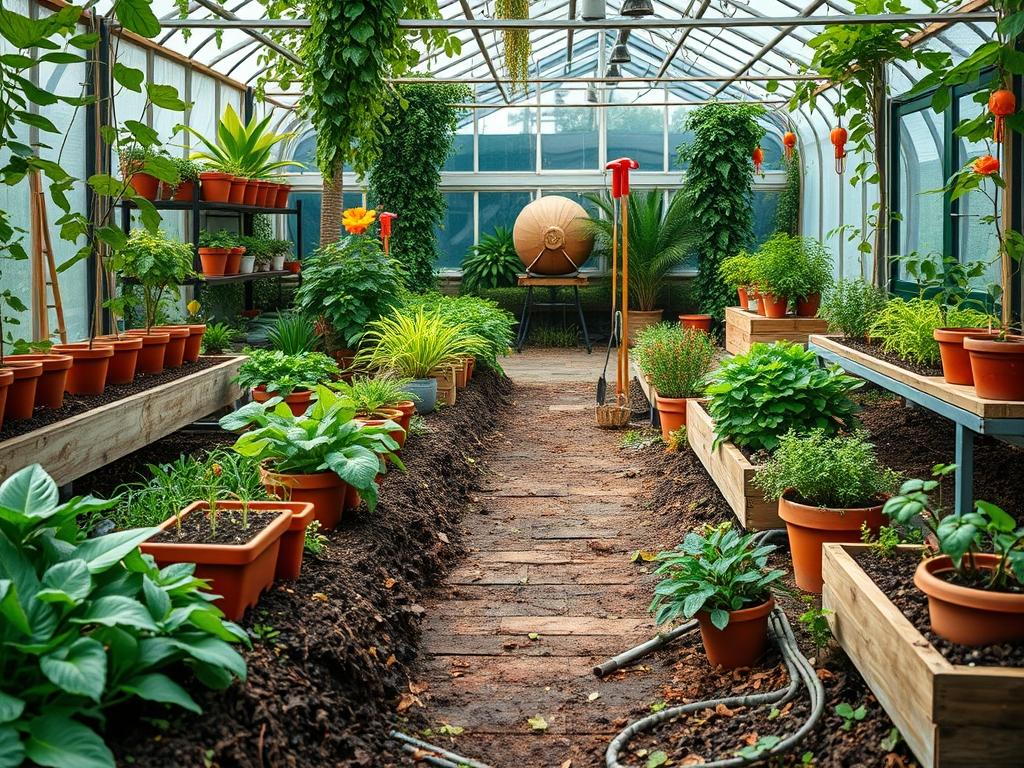
Modern landscape architecture requires a delicate balance between ecological stewardship and aesthetic ambition. As property owners seek to increase curb appeal and outdoor functionality, the complexity of managing living assets grows significantly. A successful design does not merely look beautiful when the contractor packs up their tools; it thrives for decades. To achieve this sustainability, a designer must account for the specific microclimates of a property, the varying soil textures, and the hydraulic requirements of every species planted. This is where the integration of a Smart Irrigation Design Pro system becomes a cornerstone of the professional process. By merging data driven moisture management with traditional horticultural practices, we can create environments that are both resilient and visually stunning.
The initial challenge in any landscaping project is addressing the site specific constraints. Slope, solar orientation, and wind patterns dictate which plants will survive and where they should be placed. A south facing slope with 12 hours of direct sun requires a vastly different hydration strategy than a shaded north facing corner tucked behind a retaining wall. Without a precise plan, water is often wasted or, conversely, applied so sparsely that plants suffer from chronic stress. The Smart Irrigation Design Pro approach allows for a granular mapping of these conditions, ensuring that every 2-gallon-per-hour emitter and rotary nozzle is positioned to maximize efficiency and plant health.
Landscape Design Principles
Effective landscape design starts with the concept of unity. This is the visual harmony achieved through the repetition of shapes, colors, and textures. However, unity must be supported by a technical backbone. When planning a high end garden, we utilize symmetry and focal points to draw the eye toward architectural features or specimen trees. A focal point might be a mature Japanese Maple or a custom water feature. To keep these elements healthy, the irrigation layout must be zoned according to the water needs of each plant group. This practice, known as hydrozoning, is a fundamental pillar of professional grade design.
Elevation layers add depth and interest to the backyard layout. We typically design using the foreground, midground, and background method. Low growing groundcovers fill the foreground; shrubs and perennials occupy the midground; and large canopy trees provide the background. Each of these layers has distinct root depths. Turfgrass might only require water in the top 4 inches of soil, while a large Oak or Cedar needs deep saturation to reach roots located 18 to 24 inches below the surface. A Smart Irrigation Design Pro system manages these disparate needs by utilizing distinct zones with varied run times and frequencies.
Visual balance is equally critical. Whether the design is formal and symmetrical or informal and asymmetrical, the weight of the landscape must feel distributed. This balance extends to the invisible infrastructure. If one side of a property is heavily planted with thirsty species while the other is a dry rock garden, the irrigation system must be calibrated to prevent runoff from the wet zones into the dry zones. Proper grading and the use of French drains help manage this water movement, protecting the integrity of walkways and paver patios.
Plant and Material Selection
Selecting the right materials involves more than just picking a color palette. We must consider the biological requirements of each species and the environmental impact of hardscaping materials. The table below outlines common selections for a professional grade landscape within a smart system framework.
| Plant Type | Sun Exposure | Soil Needs | Water Demand | Growth Speed | Maintenance Level |
| :— | :— | :— | :— | :— | :— |
| Lavender | Full Sun | Well-drained / Sandy | Low | Moderate | Low |
| Hostas | Partial to Full Shade | Rich / Loamy | High | Moderate | Low |
| Boxwood | Full Sun / Partial Shade | Neutral pH | Medium | Slow | Moderate |
| Creeping Thyme | Full Sun | Sandy / Rocky | Low | Fast | Low |
| Japanese Maple | Partial Shade | Slightly Acidic | Medium | Slow | High |
| Blue Star Juniper | Full Sun | Rocky / Dry | Low | Slow | Very Low |
| Hydrangea | Partial Shade | Moist / Organic | High | Fast | Medium |
Beyond plants, the selection of mulch is vital for water retention. We recommend a 3 inch layer of organic bark or shredded wood. This layer suppresses weeds and prevents soil from drying out too quickly, which reduces the workload on the Smart Irrigation Design Pro controllers.
Implementation Strategy
The transition from a blueprint to a finished landscape requires a disciplined implementation strategy. We begin with a thorough site analysis and grading. Proper grading ensures that water flows away from the home foundation and toward designated drainage areas or dry wells. A standard 2% grade is usually sufficient for lawn areas, while more aggressive slopes may require retaining walls built from interlocking concrete blocks or natural stone.
Once the rough grading is complete, we install the primary irrigation lines. This is the stage where the Smart Irrigation Design Pro system is mapped out in the field. Using trenching tools, we bury PVC or polyethylene pipe at a depth of at least 12 inches to protect them from frost and surface activity. Each zone is equipped with a solenoid valve connected to a central smart controller.
After the infrastructure is in place, the soil amendments are added. Depending on the soil test results, we might incorporate compost, peat moss, or gypsum to improve porosity. Only then do we begin planting. Each plant is placed in a hole twice the width of its root ball. Professional installers always ensure the crown of the plant sits slightly above the soil line to prevent rot. Finally, we install the edging and mulch, and we perform a pressure test on the irrigation zones to ensure there are no leaks in the poly tubing or the drip emitters.
Common Landscaping Failures
Many homeowners face frustration due to common mistakes that could have been avoided during the design phase. Drainage is the most frequent culprit. When water pools in a yard, it starves the roots of oxygen, leading to root rot and plant death. This usually stems from poor grading or the lack of a catch basin. Another common failure is root overcrowding. It is tempting to plant shrubs close together for an immediate full look, but within three years, the plants will compete for nutrients and water, resulting in a stunted and diseased landscape.
Improper spacing also interferes with irrigation efficiency. If a pop-up spray head is blocked by a fast growing shrub, the area behind it will become a dry spot, while the shrub itself may suffer from fungal issues due to constant leaf wetness. Soil compaction is another silent killer. Heavy foot traffic or construction equipment can compress soil particles, making it impossible for water to penetrate the surface. Using a core aerator once or twice a year can mitigate this, but the best approach is to design walkways that direct traffic away from sensitive root zones.
Seasonal Maintenance
A professional landscape is never truly finished because it is a living system. In the spring, the focus is on reactivation. We flush out the irrigation lines to remove any sediment that accumulated over the winter. This is also the time to apply a slow release fertilizer and a fresh layer of mulch. Pruning should be done according to the specific needs of each plant. For example, spring flowering shrubs should only be pruned after they bloom.
Summer maintenance is centered on water management. As temperatures rise, the Smart Irrigation Design Pro system uses weather data and soil moisture sensors to adjust the watering schedule automatically. We monitor for pests and ensure that the mower blades are set to a height of at least 3.5 inches to shade the grass roots.
Autumn is for preparation. This is the ideal time for aeration and overseeding. We also begin the process of winterization. In colder climates, this involves using an air compressor to blow out all the water from the irrigation pipes to prevent freezing and bursting. Winter is the time for structural pruning of dormant trees to ensure they can handle the weight of heavy snow and ice.
Professional Landscaping FAQ
What is the best way to prevent weeds?
Applying a 3 inch layer of organic mulch is the most effective organic method. It blocks sunlight from reaching weed seeds and maintains soil moisture. For persistent issues, a pre-emergent herbicide can be applied in early spring.
How often should I check my irrigation system?
A monthly visual inspection is recommended. Look for clogged nozzles, leaking valves, or broken risers. If you use a Smart Irrigation Design Pro system, check the app for flow rate alerts that might indicate a hidden underground leak.
Can I mix different plants in one zone?
You should only mix plants with similar water and sun requirements. Grouping a thirsty Hydrangea with a drought tolerant Lavender in the same zone will eventually lead to the death of one of the species.
Why is my lawn turning brown despite regular watering?
This is often caused by shallow root systems or soil compaction. Watering too frequently for short periods encourages shallow roots. Instead, water deeply and infrequently, and use an aerator tool to improve water penetration.
What is the benefit of a smart controller?
A smart controller uses real time evapotranspiration data to adjust watering schedules based on actual weather. This prevents watering during rainstorms and ensures plants receive exactly what they need, significantly reducing monthly water utility costs.