
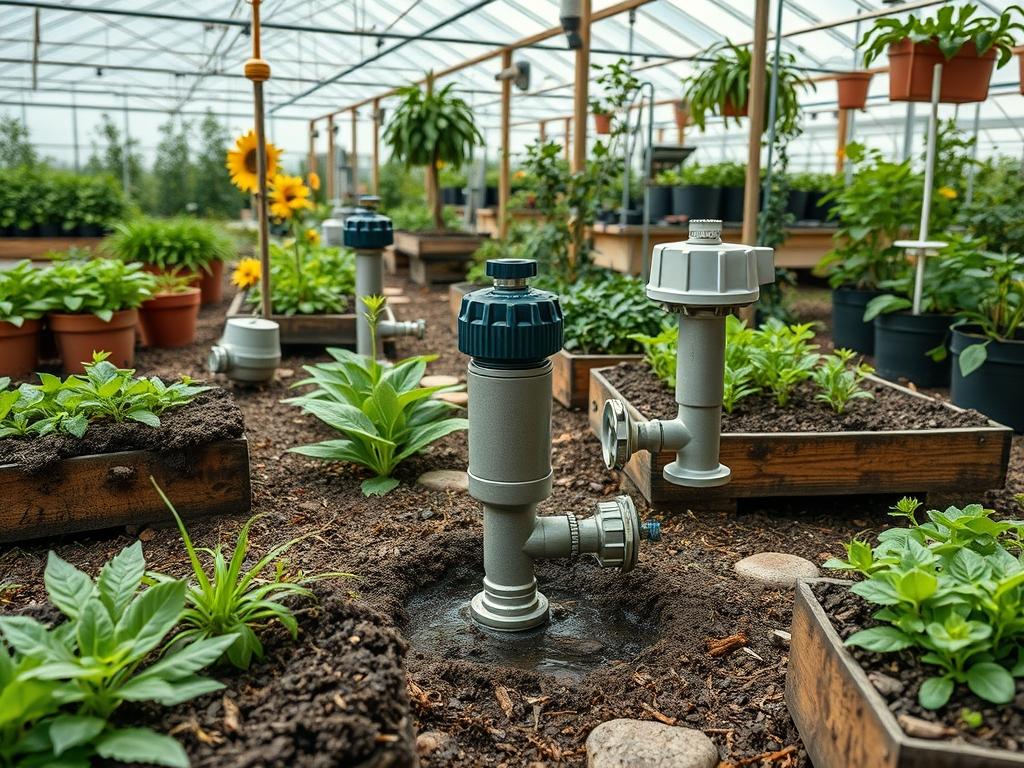
The evolution of residential exterior design now prioritizes a seamless blend of aesthetic excellence and technological resilience. When we design a master plan for a sophisticated estate, the primary challenge is no longer just the selection of flora. Instead, we must contend with fluctuating micro-climates and the increasing cost of water. Modern curb appeal relies on the consistency of the landscape, which is why integrated systems like Automated Garden Water Valves have become the backbone of high-end outdoor environments. These precision instruments allow the landscape architect to execute complex designs that would otherwise fail under the limitations of manual maintenance. A landscape that relies on human memory for its hydration is a landscape that is destined for eventual decline. By automating the delivery of water, we ensure that every square foot of the design receives the exact volumetric flow required to thrive. This functionality is the silent engine behind the lush, vibrant focal points that define modern curb appeal.
Landscape Design Principles
Successful landscaping is rooted in the careful application of symmetry and visual balance. We look at the facade of the home and translate its architectural lines into the ground plane. Using Automated Garden Water Valves allows us to maintain strict symmetry in formal boxwood hedges or long allees of trees. If one section of a symmetrical design receives more water than its counterpart, the visual balance is destroyed as growth rates vary.
We also utilize elevation layers to create depth. By stacking vertical elements, such as retaining walls and tiered planters, we add interest to flat lots. However, elevation changes introduce a major irrigation hurdle: gravity. Without a smart valve system that can handle pressure compensation, the plants at the lower elevations will suffer from root rot while those at the top perish from drought. Modern valves allow us to segment these zones based on their specific elevation, ensuring that water reaches the highest point without overflowing the lowest.
Walkways serve as the circulatory system of the garden. We design these paths to lead the eye toward focal points, such as a large granite sculpture or a specimen Japanese Maple. These paths also act as natural barriers for irrigation zones. In a professional layout, we place valves near these transitions to keep the infrastructure accessible for maintenance while remaining hidden by ornamental grasses or low-voltage lighting.
Plant and Material Selection
| Plant Type | Sun Exposure | Soil Needs | Water Demand | Growth Speed | Maintenance Level |
| :— | :— | :— | :— | :— | :— |
| Dwarf Boxwood | Full to Partial | Well-drained loam | Moderate | Slow | High (Pruning) |
| Lavender | Full Sun | Sandy, alkaline | Low | Moderate | Low |
| River Birch | Full to Partial | Moist, acidic | High | Fast | Moderate |
| Blue Fescue | Full Sun | Well-drained | Low | Moderate | Low |
| Climbing Hydrangea | Shade to Partial | Rich, organic | Moderate | Slow | Medium |
| Zebra Grass | Full Sun | Adaptable | Low | Fast | Low |
When selecting materials for the hardscape, we often specify natural flagstone, decomposed granite, or pavers. These materials must be considered relative to the irrigation layout. Constant overspray from poorly managed systems can lead to mineral staining on expensive stone or the premature erosion of joint sand. Automated Garden Water Valves paired with drip manifolds prevent this by delivering water directly to the root zones of the surrounding plants, keeping the hardscape bone dry and pristine.
Implementation Strategy
The implementation of a high-end landscape begins with a comprehensive site analysis. We start with grading. The soil must be sloped away from the foundation of the home at a minimum of a 2 percent grade to ensure that heavy rain does not pool against the structure. Once the grading is set, we lay out the skeletal structure of the garden, including the placement of Automated Garden Water Valves. These valves should be housed in heavy-duty valve boxes that are buried flush with the soil surface and disguised with a thin layer of decorative gravel or mulch.
Next, we establish the edging. Whether using steel edging or cobblestone borders, a crisp edge defines the transition between turf and planting beds. After the edging is set, the irrigation lines are trenched. We typically use Schedule 40 PVC for main lines and polyethylene tubing for lateral lines. The valves act as the gatekeepers for these lines. By utilizing Bluetooth or Wi-Fi-enabled valves, we can calibrate the flow from a smartphone, adjusting for soil moisture levels detected by digital sensors.
Mulching is the final step in the softscaping phase. We recommend a 3-inch layer of double-ground hardwood mulch or arborist chips. This layer serves two purposes: it suppresses weeds and provides a thermal blanket for the irrigation lines. This insulation prevents the water inside the tubes from reaching extreme temperatures during the height of summer, protecting sensitive plant roots from being scalded by hot water during the initial cycle.
Common Landscaping Failures
The most frequent failure in residential landscapes is poor drainage. Even the most sophisticated Automated Garden Water Valves cannot save a garden where water has nowhere to go. When soil becomes saturated, oxygen is pushed out, effectively drowning the plant. We solve this by installing French drains or catch basins in low-lying areas.
Another common mistake is root overcrowding. Homeowners often plant for the size of the nursery pot rather than the size of the mature specimen. As roots expand, they can crush irrigation lines or lift hardscape pavers. Proper spacing, based on the mature width of the species, is mandatory. Improper soil compaction is another silent killer. When heavy machinery is used during construction, the soil is squeezed into a concrete-like state. This prevents water from the automated valves from penetrating more than an inch or two into the ground, leading to shallow root systems and unstable plants.
Finally, we see significant damage caused by irrigation inefficiency. This occurs when valves do not close properly or when the system is not zoned correctly. Mixing plants with high water needs, like Hydrangeas, in the same zone as drought-tolerant Succulents will result in the certain death of one or the other. Zoning is the architectural solution to this biological problem.
Seasonal Maintenance
Spring is the season of calibration. This is when we inspect every one of the Automated Garden Water Valves for leaks that may have developed during the winter. We flush the lines to remove any sediment and replace the batteries in any wireless controllers. We also apply a fresh layer of organic fertilizer to provide the nutrients required for the spring growth flush.
Summer maintenance focuses on monitoring and adjustment. During heatwaves, we increase the frequency of the watering cycles but decrease the duration to encourage deep root penetration. We also check the nozzle heads to ensure they have not been clogged by mineral deposits or damaged by lawnmowers.
Autumn is for preparation. We reduce the watering schedule as the plants enter dormancy. This is also the ideal time for core aeration of the turf, which allows the automated water delivery to be more effective. We also plant spring-flowering bulbs like tulips and daffodils during this window, ensuring they are placed away from the primary irrigation emitters to prevent rot.
Winter is the most critical time for the survival of the irrigation hardware. In cold climates, we must perform a “blow out” of the system. We use an air compressor to force all remaining water out of the lines and valves. This prevents the water from freezing and cracking the plastic or metal components. We also wrap any exposed backflow preventers in insulated blankets to ensure they are ready for the following spring.
Professional Landscaping FAQ
Why should I choose automated valves over manual ones?
Automation provides precision that manual watering cannot match. It ensures consistent moisture levels, prevents human error, and optimizes water usage. This protection of your landscape investment saves money on plant replacement and reduces monthly utility bills significantly.
Can automated valves be hidden from view?
Yes. We install these valves inside subterranean boxes that sit flush with the ground. By covering the lids with artificial turf, mulch, or river rock, the entire system becomes invisible to the naked eye while remaining accessible for maintenance.
How do smart valves react to rain?
Most modern Automated Garden Water Valves integrate with weather stations or soil moisture sensors. If the system detects rain or sufficient ground moisture, it automatically bypasses the scheduled cycle to prevent over-watering and conserve natural resources.
What is the lifespan of a high-quality water valve?
When professionally installed and maintained, durable valves can last between 10 to 15 years. Regular seasonal check-ups and proper winterization are the most important factors in extending the mechanical life of these critical irrigation components.
Do I need a professional to design my irrigation zones?
Professional design is recommended to ensure proper pressure regulation and hydro-zoning. A consultant calculates the specific water requirements of different plant species and elevation changes, ensuring that your Automated Garden Water Valves operate at peak hydraulic efficiency.