
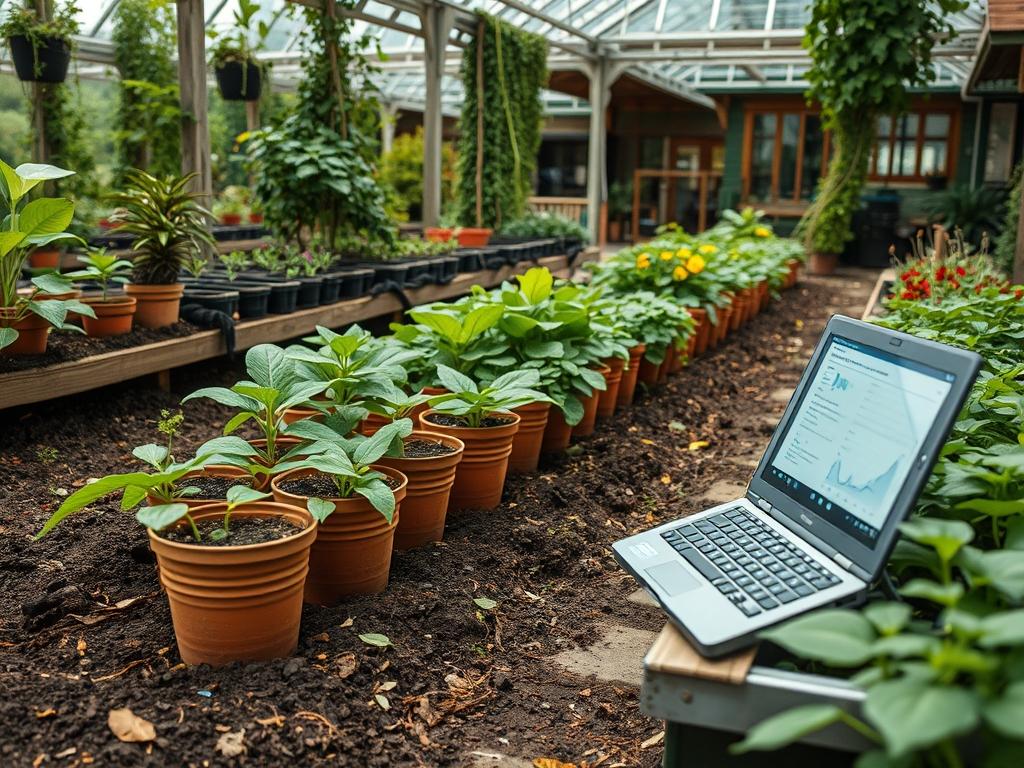
The most durable and impressive landscapes are rarely the result of aesthetic instinct alone. They are the product of rigorous environmental observation and the strategic application of site-specific data. In the professional landscaping world, we often encounter homeowners who struggle with recurring plant loss or lackluster curb appeal, despite significant investment. The solution usually lies in garden data logging. This process involves the systematic recording of environmental variables including soil moisture, sunlight duration, ambient temperature, and nutrient fluctuations. By quantifying these metrics, you transition from reactive maintenance to proactive management. This data-driven approach allows you to tailor your outdoor environment to the unique microclimates of your property, ensuring that every retaining wall, irrigation zone, and native plant placement serves a long-term functional purpose.
When you begin garden data logging, you’re essentially building a historical record of your property assets. This record helps you identify why a specific corner of the yard remains perpetually damp or why certain species fail to thrive even during mild summers. High-performance landscaping requires more than just a sense of balance; it requires an understanding of the metabolic demands of the living architecture you are installing. By tracking the success and failure of different interventions, you can maximize the return on investment for your hardscaping and softscaping projects alike.
Landscape Design Principles
Professional landscape design relies on a structured hierarchy of visual and functional elements. Symmetry and visual balance provide the framework for curb appeal, but these elements must be grounded in the reality of the site topography. When planning your garden, consider the elevation changes across the plot. Use a transit level or a laser level to map out the high and low points. This information is vital for managing drainage and ensuring that water flows away from the foundation of the home. A well-designed landscape utilizes focal points, such as a specimen tree or a custom water feature, to guide the eye and create a sense of intentionality.
The integration of irrigation planning into the initial design phase is often where data logging proves its worth. By using soil moisture sensors to log data over a period of two weeks, you can determine which areas of the yard are naturally arid and which are prone to saturation. This allows for the creation of distinct hydrozones. Grouping plants with similar water needs prevents the common mistake of overwatering drought-tolerant species while starving moisture-loving plants. Furthermore, consider the walkways and pathways that define the traffic flow. Using materials like crushed granite or permeable pavers helps manage runoff while providing a durable surface for foot traffic. Visual balance is achieved not just through color, but through the layering of heights. Start with tall evergreen backdrops and work down to mid-sized shrubs and low-lying groundcovers to create a professional, tiered appearance.
Plant and Material Selection
Selecting the right materials and biology for your site requires looking past the nursery tag and toward the historical data of your specific zone. Use the following table to align your data-logged site conditions with professional-grade plant selections.
| Plant Type | Sun Exposure | Soil Needs | Water Demand | Growth Speed | Maintenance Level |
| :— | :— | :— | :— | :— | :— |
| Boxwood Shrub | Partial to Full Sun | Well-drained, Loamy | Moderate | Slow | Moderate |
| Switchgrass | Full Sun | Sandy or Clay | Low | Fast | Low |
| Japanese Maple | Dappled Shade | Rich, Acidic | High | Slow | High |
| Coneflower | Full Sun | Average, Lean | Low | Moderate | Low |
| Creeping Thyme | Full Sun | Well-drained, Rocky | Low | Moderate | Low |
| Hydrangea | Morning Sun/Afternoon Shade | Moist, Fertile | High | Fast | Moderate |
When selecting hardscape materials, prioritize durability and local availability. Natural stone and high-density pavers offer longevity that exceeds poured concrete. For mulching, aim for a depth of 3 inches using organic materials like shredded cedar or hardwood bark. This choice helps regulate soil temperature and moisture, providing more stable data points for your logging sensors.
Implementation Strategy
The transition from a design on paper to a physical landscape requires a phased approach. Begin with the grading of the site. Use heavy equipment or manual labor to ensure a 2 percent slope away from all structures. This is the most critical step in preventing basement flooding and soil erosion. Once the grade is established, install the drainage infrastructure. This might include French drains, catch basins, or dry creek beds designed to handle peak rainfall events.
Next, focus on edging and hardscaping. Define the borders of your garden beds with permanent materials like steel edging, brick, or composite timbers. This prevents turfgrass from encroaching on your planting zones and creates a clean, professional finish. When installing your patio or retaining walls, ensure a compacted base of base rock at least 6 inches deep to prevent shifting over time. After the structural elements are in place, focus on the soil. Amend the planting areas based on your logged soil test data. Incorporating compost or biochar can significantly improve soil structure and microbial activity. Finally, install your plants, ensuring that the root balls are level with the surrounding soil to prevent stem rot or root desiccation.
Common Landscaping Failures
The most frequent failure in amateur landscaping is poor drainage management. Without data on how water moves across the site during a storm, homeowners often trap water against the house or create stagnant pools that drown plant roots. Another common issue is root overcrowding. It is tempting to plant closely for immediate impact, but failing to account for the mature spread of a species leads to stunted growth and disease within 5 years. Always research the adult dimensions of your plants and provide at least 2 feet of clearance from the house siding.
Soil compaction is another silent killer of high-end landscapes. Heavy foot traffic or the use of machinery during wet conditions collapses the pore spaces in the soil, preventing oxygen from reaching the roots. Data logging often reveals oxygen-deprived soil through a sudden drop in plant vigor despite adequate watering. Additionally, irrigation inefficiencies are rampant. Many systems are set to a fixed timer that does not account for actual soil moisture levels. By failing to use a weather-sensing controller, homeowners waste thousands of gallons of water and risk fungal infections in their turf.
Seasonal Maintenance
A proactive maintenance schedule is essential for preserving the integrity of your landscape design.
Spring: This is the season for data recalibration. Remove winter debris and check the functionality of all irrigation heads. Apply a fresh layer of mulch to suppress weeds and log the initial soil temperature. Once the soil reaches a consistent 55 degrees Fahrenheit, you can begin applying pre-emergent weed control and fertilizers based on your spring soil test results.
Summer: Focus on moisture management. During periods of extreme heat, monitor your data logs daily to identify zones that are drying out faster than anticipated. Deep, infrequent watering is better than shallow, daily misting. Check for pests like aphids or spider mites which thrive in high temperatures. Log any infestations to identify patterns in future years.
Autumn: Prepare your perennials and woody ornamentals for dormancy. This is the best time for core aeration of the lawn to combat soil compaction. Record the timing of the first frost and notice which microclimates on your property protected plants the longest. This data is invaluable for choosing where to plant more sensitive species in the future.
Winter: Focus on hardscape protection and dormant pruning. Ensure that any automated irrigation systems are fully blown out to prevent pipe bursts. Use the winter months to review the year’s data logs, identifying which plants performed best and where you need to adjust your strategy for the coming spring.
Professional Landscaping FAQ
How often should I log garden data for effective results?
Consistency is more important than frequency. Logging basic metrics like soil moisture and temperature once a week provides enough data to identify trends without becoming overwhelming. During peak growth or extreme weather, daily checks of automated sensors are highly recommended.
Can garden data logging help reduce my water bill?
Absolutely. By using soil moisture sensors and logging the actual water needs of your plants, you can eliminate unnecessary irrigation cycles. Most professionals see a reduction in water usage of 30 percent to 50 percent after implementing data-driven irrigation.
What is the most important metric to track in a new garden?
Soil moisture is the primary metric for new installations. Young plants have limited root systems and are highly susceptible to both drought and overwatering. Monitoring the volumetric water content of the soil ensures survival during the critical first year.
Do I need expensive equipment to start logging data?
Professional sensors provide the best accuracy, but you can start with a simple analog rain gauge, a soil pH kit, and a notebook. The value lies in the historical record you create, regardless of the complexity of the tools used.
How does data logging affect my home’s curb appeal?
Data logging ensures that your plants remain healthy and vibrant throughout the year. A well-maintained landscape with thriving specimen trees and lush turf significantly increases property value and creates a polished, professional look that lasts for decades.