
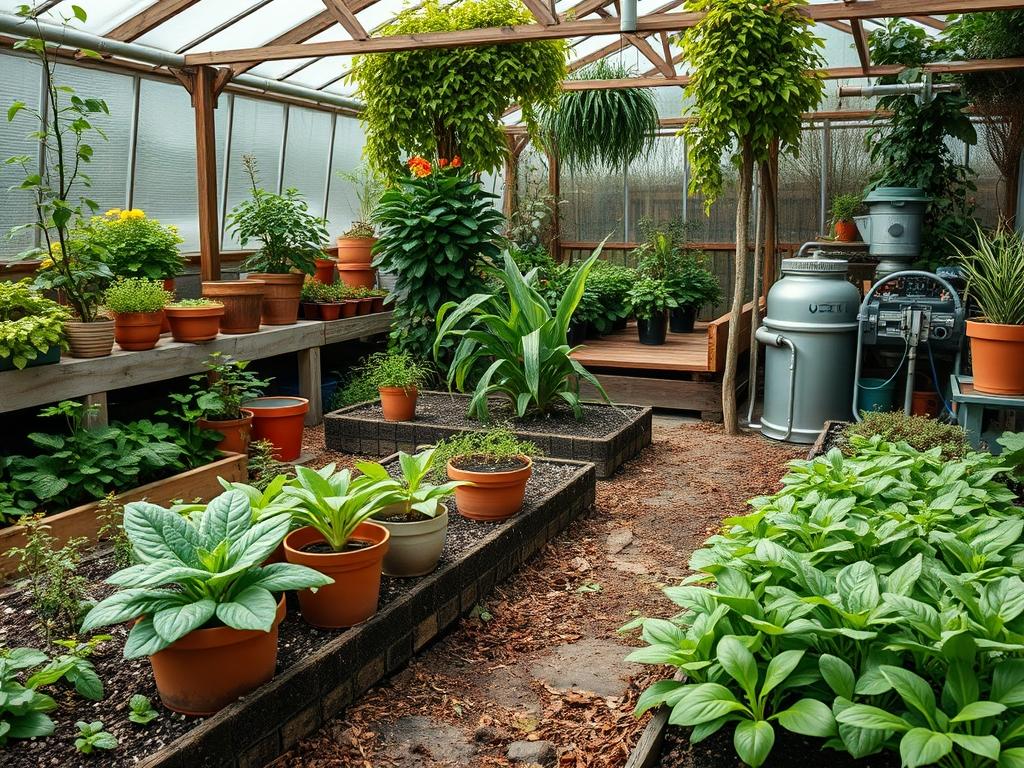
The modern residential landscape is no longer a static collection of flora and hardscaping; it has become a functional ecosystem that must respond to increasing climatic volatility. As droughts become more frequent and localized flooding more severe, the traditional approach of simply shedding water away from a property is being replaced by sophisticated methods of capture and reuse. Smart rainwater harvesting represents the pinnacle of this shift, integrating advanced technology with site engineering to ensure that every gallon of precipitation is utilized to enhance curb appeal and sustain plant health. For the homeowner or developer, the challenge lies in balancing these technical requirements with the aesthetic goals of the site. A well designed system should be invisible to the casual observer, buried beneath lush perennial beds or integrated into the very structure of Retaining Walls, yet it remains the primary driver of the landscape’s longevity. By viewing the property as a miniature watershed, we can create outdoor environments that are both luxuriant and remarkably efficient.
Landscape Design Principles
Successful smart rainwater harvesting begins with a rigorous analysis of the site’s topography. Before a single plant is placed, the landscape architect must map the elevation layers to understand how water moves across the surface. The primary goal is to direct runoff from non-porous surfaces, such as roofs and driveways, toward central collection points without compromising the structural integrity of the home. Visual balance is maintained by using these water features as focal points. For example, a Dry Creek Bed lined with River Rock can serve as a functional swale during heavy storms while providing a striking textured element during dry periods. By aligning the direction of these swales with the natural sightlines of the property, we create a sense of movement that leads the eye toward key architectural features.
Symmetry and proportion are equally vital when integrating high-tech components. Storage Tanks or Cisterns do not need to be eyesores; they can be clad in Cedar Siding or tucked behind Lattice Panels to maintain the garden’s visual harmony. Irrigation planning must be tiered, using different zones based on the specific water demands of various plant groups. This is known as hydro-zoning. In a smart system, Soil Moisture Sensors are placed at varying depths and locations to provide real-time data to a central Smart Controller. This allows the landscape to “request” water only when the root zones reach a specific dehydration threshold, preventing the wasteful over-saturation that often occurs with traditional timers. Walkways should be constructed using Permeable Pavers or Decomposed Granite to allow for vertical infiltration, reducing the load on the mechanical harvesting system and replenishing the local water table.
Plant and Material Selection
The following table provides a selection of plants well suited for integrated rainwater systems, focusing on species that can tolerate the fluctuating moisture levels common in rain gardens and bio-swales.
| Plant Type | Sun Exposure | Soil Needs | Water Demand | Growth Speed | Maintenance Level |
| :— | :— | :— | :— | :— | :— |
| Switchgrass | Full Sun | Adaptable | Low to Medium | Fast | Low |
| Purple Coneflower | Full Sun | Well-draining | Low | Moderate | Low |
| Joe Pye Weed | Full Sun/Part Shade | Moist, Rich | High | Fast | Medium |
| Oak Leaf Hydrangea | Part Shade | Loamy, Acidic | Medium | Moderate | Medium |
| Little Bluestem | Full Sun | Sandy, Lean | Very Low | Moderate | Low |
| Cinnamon Fern | Shade | Boggy, Wet | High | Moderate | Medium |
Implementation Strategy
Implementing a smart rainwater system requires a phased approach that prioritizes underground infrastructure before aesthetic finishes. The first step involves precise grading. A Laser Level should be used to ensure a minimum 2 percent slope away from all foundations. Once the primary contours are established, the installation of the First Flush Diverter occurs. This critical component ensures that the initial, most contaminated wash-off from the roof is bypassed, preventing silt and pollutants from entering the primary Cistern.
Next, the distribution network is laid. This typically involves 4-inch Perforated PVC Piping wrapped in Geotextile Fabric to prevent root intrusion. If the design includes a sub-surface irrigation system, Drip Lines are installed at a depth of 8 to 12 inches within the garden beds. The “smart” aspect of the system comes online with the installation of the Weather-Responsive Controller and IoT-Enabled Flow Meters. These devices connect to local weather stations through cellular or Wi-Fi signals. If the forecast predicts a high probability of rain, the system will automatically delay scheduled irrigation to conserve stored water. Finally, the surface is finished with a 3-inch layer of Hardwood Mulch. This mulch depth is critical as it regulates soil temperature and reduces evaporation, allowing the harvested water to remain in the soil profile longer.
Common Landscaping Failures
The most frequent failure in rainwater harvesting is the neglect of overflow management. Even the largest Storage Tank can reach capacity during a 100-year storm event. Without a clear, armored path for excess water, the resulting pressure can cause soil erosion or basement seepage. Designers must include an overflow pipe directed to a Pop-up Emitter or a dedicated Rain Garden capable of handling high volumes.
Another common mistake is soil compaction during the construction phase. Heavy machinery can compress the earth, destroying the pore space necessary for water infiltration and root respiration. This creates a Hardpan layer that acts as an impermeable barrier. To fix this, Deep Tilling or the addition of Soil Amendments like Leaf Mold and Perlite is necessary before planting. Furthermore, improper spacing of plants often leads to root overcrowding. When plants are jammed too closely to create an “instant” landscape, they compete for the very water the system is trying to save, leading to stunted growth and increased disease susceptibility. Finally, many systems fail because the Leaf Screens are not accessible for cleaning, leading to clogs that cause water to back up into the Gutters.
Seasonal Maintenance
Seasonal oversight ensures the smart system and the landscape it supports remain in peak condition. In the spring, the primary task is the calibration of Moisture Sensors. As the ground thaws and plants break dormancy, it is vital to check that sensors are reading accurately and that the Automated Valves are opening fully. Backflow Preventers should be tested by a certified professional to ensure that harvested water never contaminates the potable water supply.
During the summer, the focus shifts to monitoring the Water Level Sensors in the cistern. If the stored volume drops below a certain point, the system may need to switch to a secondary water source. Checking for leaks along the Main Line is also essential during this period of high demand. In autumn, the priority is debris management. As leaves fall, Gutter Guards and Sump Basins must be cleared weekly to prevent blockages. This is also the time to apply a fresh layer of Mulch to protect root systems from the coming frost. Winter maintenance is largely about system protection. In colder climates, pumps must be pulled or dewatered, and the Cistern may need to be drained to a safe level to prevent damage from ice expansion. If the system is designed for year-round use, Heat Tape or insulated enclosures should be inspected for integrity.
Professional Landscaping FAQ
How much water can a smart system actually save?
An integrated system can reduce municipal water usage for landscaping by 50 to 90 percent. By leveraging Weather-Response Data, the system ensures that irrigation only occurs when absolutely necessary, maximizing the use of every gallon of collected rainfall.
Are smart rainwater systems difficult to maintain for average homeowners?
While the technology is advanced, most systems are designed with user-friendly smartphone interfaces. Routine tasks involve cleaning Filters and monitoring app alerts. Professional inspections once or twice a year are recommended to ensure mechanical components remain in top condition.
Can I use harvested rainwater for my vegetable garden?
Yes, but it requires a First Flush Diverter and high-quality Sediment Filters. For edible crops, it is best to apply the water directly to the soil via Drip Irrigation rather than spraying it onto the leaves of the plants.
What is the lifespan of a typical underground cistern?
A high-quality Polyethylene or Reinforced Concrete Cistern can last 30 to 50 years. The electronic components, such as Pumps and Sensors, typically have a shorter lifespan of 5 to 10 years and should be easily accessible for replacement.
Do these systems work in urban areas with small footprints?
Absolutely. Urban designs utilize Slimline Tanks that fit along fence lines or Modular Underground Units located beneath patios. Smaller properties actually benefit significantly from the precise water control offered by smart sensors in confined planting zones.